Many automotive enthusiasts find themselves facing a common challenge: a cluttered garage that hinders their ability to work effectively. Over the years, I’ve seen the impact of poor organization, not just on workflow but also on the condition of tools and parts. When everything is in disarray, it’s easy to overlook items that could be crucial for a repair or project. The frustration of searching for a specific tool or component can lead to unnecessary delays and even mistakes.
One of the first things to consider is the layout of the garage itself. Vehicles often take up a significant amount of space, leaving limited room for tool storage and work areas. A common mistake is to allow tools and supplies to spill over into the vehicle’s space. This can lead to scratches or damage to both the vehicle and the tools. I’ve often observed that a dedicated area for tools, separate from vehicle storage, can greatly enhance efficiency. Using wall-mounted racks or pegboards allows for easy visibility and access to tools, reducing the time spent searching for what you need.
Storage Solutions That Work
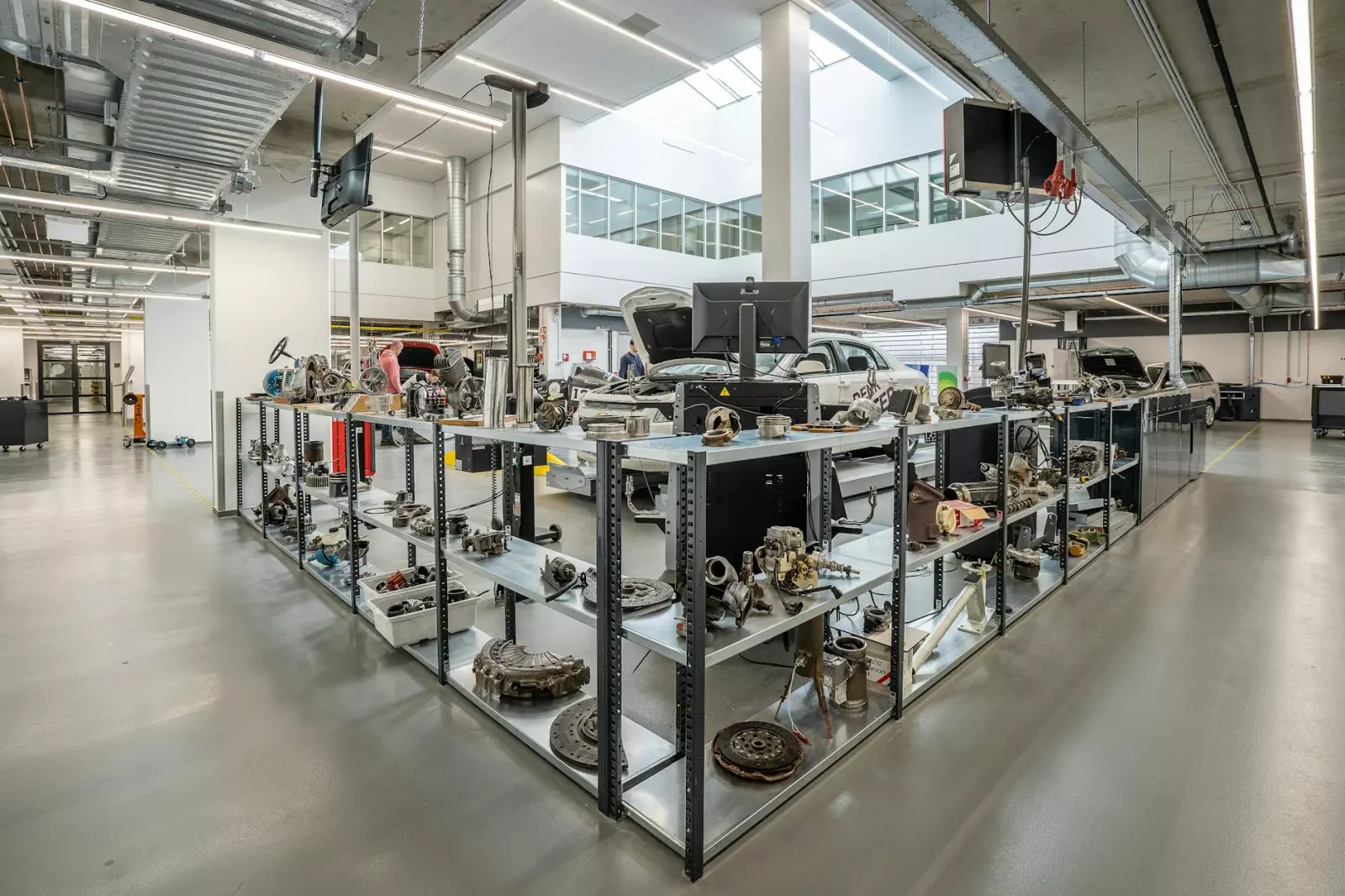
When it comes to storing parts and supplies, bins and shelving units are invaluable. Clear bins allow you to see contents at a glance, while labels can help in quickly identifying what’s inside without the need to dig through multiple containers. I’ve found that sorting items by category – such as fasteners, fluids, and electrical components – helps maintain order. It’s not uncommon for small items to get lost in the shuffle, and having a designated place for everything reduces that risk.
Another observation is the tendency to accumulate spare parts over time. While it’s wise to keep certain items on hand, such as filters or belts for common repairs, it’s equally important to avoid hoarding items that may never be used. Regularly reviewing and purging unnecessary parts can free up valuable space. It’s a balancing act between being prepared and not letting clutter take over.
Environmental Considerations
Temperature and humidity can also affect how you organize your garage. For instance, certain chemicals and fluids should be stored away from direct heat sources to prevent degradation. I’ve seen instances where improperly stored fluids have led to leaks or even dangerous chemical reactions. Using appropriate shelving that can withstand the environment is essential. Metal shelves are often more durable than plastic ones, especially in a garage setting where spills are a risk.
Lighting is another factor often overlooked. Adequate lighting makes a significant difference in how effectively you can work on projects. Poor visibility can lead to mistakes, such as misplacing tools or misidentifying parts. Installing bright, focused lighting in work areas can improve safety and efficiency. In my experience, it’s worth the investment.
Ultimately, a well-organized garage is about creating a space that enhances productivity and safety. It’s a continuous process that requires regular attention and adjustment. As projects come and go, the needs of the space may change. Being adaptable and willing to rearrange or update storage solutions can help keep the garage functional and conducive to work. In the end, a few thoughtful adjustments can make a world of difference in how smoothly automotive tasks are completed.