In the realm of automotive repair and maintenance, the torque wrench stands out as a critical tool. It’s not just a matter of tightening bolts to a certain specification; it’s about ensuring that components function as intended under various conditions. I’ve encountered numerous instances where improper torque application led to significant issues, ranging from minor leaks to catastrophic component failures.
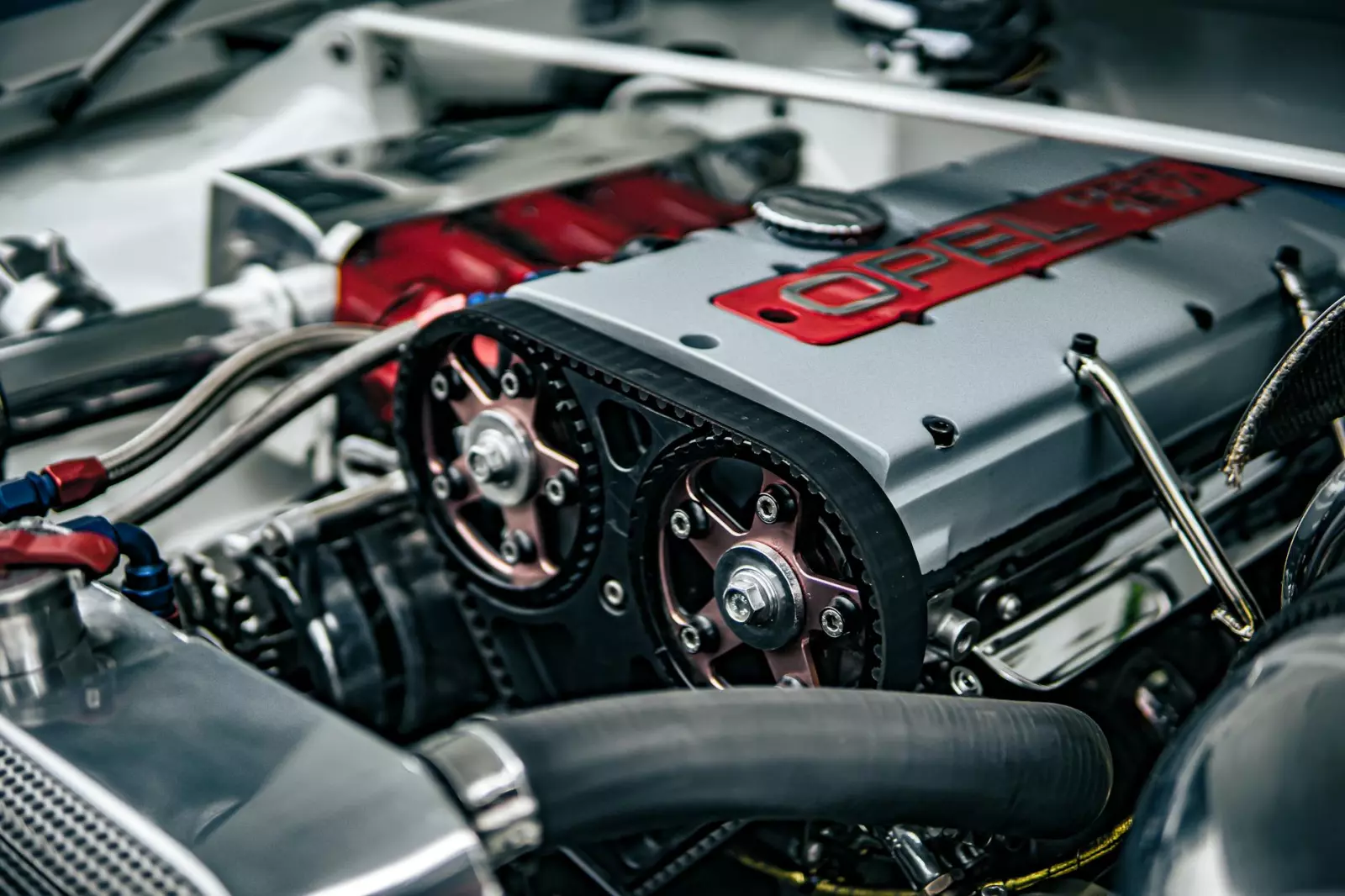
One of the most common scenarios involves the installation of cylinder heads. Over-torquing can lead to warped surfaces, while under-torquing may result in oil leaks or blown gaskets. These failures can often be traced back to a lack of attention to proper torque specifications, which are meticulously outlined by manufacturers for a reason. In high-heat environments, like an engine, the materials expand and contract. If bolts are not tightened to the correct torque, they may not maintain their grip, leading to performance issues or even engine failure.
It’s worth noting that the torque wrench itself can contribute to errors if not calibrated regularly. A wrench that is out of calibration can give false readings, leading to either over-tightening or under-tightening. In my experience, I’ve seen fasteners loosen over time due to vibration. If the initial torque wasn’t correct, the cumulative effects of vibration can exacerbate the problem, leading to more severe failures. This is particularly evident in applications like suspension components, where the forces at play are substantial.
Material Considerations
The type of material being fastened also plays a crucial role in torque application. For example, aluminum components require different torque settings compared to steel. Aluminum is softer and can be damaged more easily. I’ve observed situations where mechanics, perhaps in a rush, apply the same torque settings across different materials, leading to stripped threads or cracked components. The consequences of these mistakes can be costly and time-consuming.
Understanding Torque Specifications
Torque specifications are not arbitrary; they are developed through extensive testing. Ignoring these specifications can lead to failures that are not immediately evident. For instance, a loose bolt on a wheel hub might not show signs of distress until the vehicle is subjected to high speeds or heavy loads. If not addressed, this can escalate to wheel separation, a scenario that can have dire consequences.
Additionally, environmental factors should not be overlooked. Exposure to moisture, salt, or other corrosive elements can affect the integrity of fasteners over time. Regular inspection and re-torquing of critical components can help mitigate these risks. In many cases, I’ve found that a simple check with a torque wrench can save significant repair costs down the road.
Ultimately, the torque wrench is more than just a tool; it’s a safeguard against the unpredictable nature of automotive components. Its proper use can mean the difference between a well-functioning vehicle and one riddled with problems. The lessons learned from observing failures in the field underscore the importance of precision. When in doubt, a careful approach to torque specifications can prevent many common issues from arising.