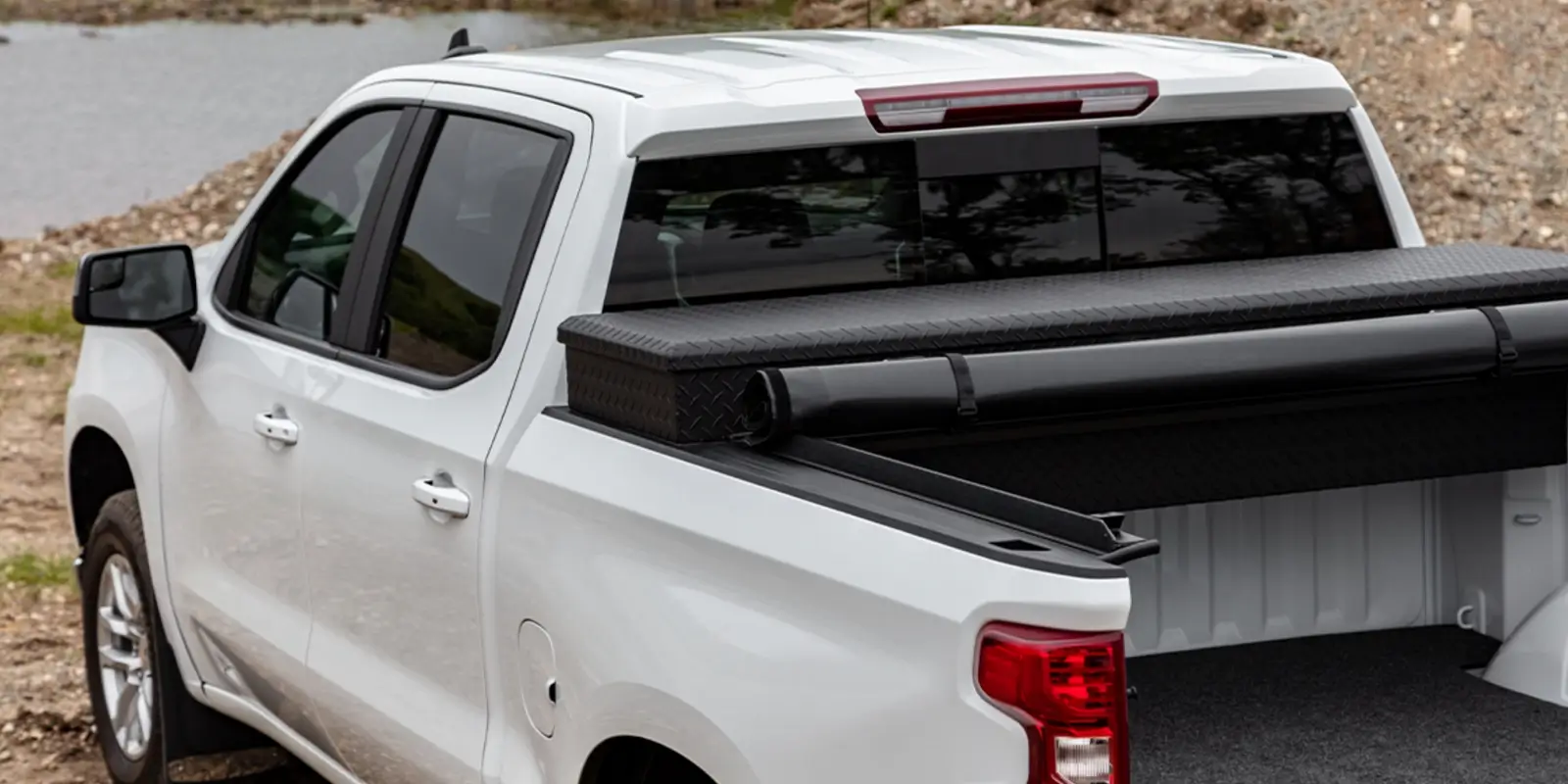
Tonneau covers are a practical addition to many pickup trucks, providing protection for cargo while enhancing the vehicle’s overall appearance. However, they often encounter specific issues that can affect their functionality and longevity. Over the years, I’ve observed various challenges that arise with these covers, often stemming from environmental factors and the demands of daily use.
One common issue is the wear and tear of the cover material itself. Many covers are made from vinyl or other synthetic materials, which can degrade over time, particularly in regions with extreme temperature fluctuations. In high heat, the material can become brittle, leading to cracks or tears. Conversely, in colder climates, the material may stiffen, making it more susceptible to damage during operation. Drivers often overlook these signs until the damage is significant, at which point replacement may be necessary.
Sealing and Water Intrusion
Another frequent concern involves the sealing mechanisms of tonneau covers. Many covers rely on rubber seals or Velcro strips to create a watertight barrier. Over time, these seals can lose their effectiveness due to exposure to UV light, dirt accumulation, or simply the fatigue of the materials. I’ve encountered many instances where a driver discovers water pooling in the truck bed after a rainstorm, only to find that the seals have worn down. While minor leaks might seem harmless, they can lead to rust and corrosion issues in the long run.
The mounting hardware is also worth noting. Some tonneau covers use clamps or bolts to secure themselves to the truck bed. These components can loosen over time, especially if the vehicle is frequently loaded and unloaded. A loose cover can create noise while driving and, in some cases, may even detach if not properly secured. Regular checks of the mounting points can prevent more severe issues down the line.
Impact of Load and Usage
How a tonneau cover is used can significantly impact its durability. For instance, if a truck is consistently loaded to its maximum capacity, the added weight can strain the cover and its components. This is especially true for soft covers, which may sag or stretch under heavy loads. In contrast, rigid covers can handle more weight but may still suffer from stress fractures if not designed for heavy-duty use. It’s essential to match the cover type to the intended usage to avoid premature failure.
In my experience, it’s also worth mentioning the importance of regular maintenance. Cleaning the cover and inspecting the seals and hardware can extend its life significantly. Neglect can lead to compounded issues that are more difficult and costly to address later. For example, a small tear left unaddressed can grow, leading to a need for a complete cover replacement.
In essence, while tonneau covers serve a valuable purpose, they are not without their challenges. Understanding the common issues they face can help vehicle owners make informed decisions about maintenance and replacement. Observations from real-world usage provide insight into the importance of monitoring these components to ensure they continue to meet the demands of everyday driving.