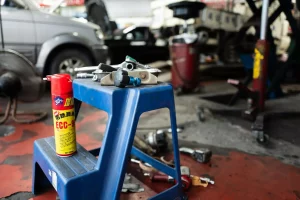
Tire shine products are often used to enhance the appearance of tires, giving them a deep, glossy finish. While they may look appealing, my experience reveals that their use can lead to various complications, especially in real-world driving conditions.
One of the first issues encountered with tire shine is the tendency for the product to attract dirt and grime. After a fresh application, tires may look pristine, but it often isn’t long before they become coated in road debris. This accumulation can mask the look of the tire and may even lead to uneven wear patterns if the dirt gets embedded in the tread. The glossiness that initially seems appealing can quickly turn into a dull, dirty surface.
Environmental Impact on Tire Shine Longevity
Heat and exposure to sunlight can significantly impact the longevity of tire shine products. In hotter climates, the product often degrades faster, leading to a sticky residue that can transfer to other vehicle surfaces, such as wheel wells or fenders. This is particularly evident during the summer months when temperatures soar. The high heat can cause the tire shine to break down, creating an oily film that attracts more contaminants. In colder weather, the shine may not adhere as well, leading to streaking when the vehicle is in motion.
Additionally, some products contain silicone, which can create a slippery surface. This can be concerning, particularly for vehicles that are frequently driven in wet conditions. A slick tire surface can reduce traction, presenting a safety hazard. While the visual appeal might be desirable, the functional implications should not be overlooked. The first sign of a problem often manifests during a sudden stop or quick turn, where reduced grip can lead to unwanted skidding.
Application Considerations
Application methods also play a critical role in how tire shine performs. Over-application can lead to a buildup that not only affects aesthetics but can also become a maintenance concern. Excess product can fling off during driving, creating a mess on the vehicle’s body or nearby surfaces. This is particularly problematic for those who regularly wash their vehicles. The residue can be difficult to remove, leading to more labor-intensive cleaning processes.
When considering tire shine, it’s important to assess the intended use of the vehicle. For daily drivers, the aesthetic benefits may not outweigh the practical drawbacks. In contrast, for show cars or vehicles that are not subjected to harsh conditions, the visual enhancement might be more justifiable. Observations indicate that those who frequently drive in off-road or rugged environments often find tire shine products less useful, as the conditions quickly undermine any visual improvements made.
In conclusion, while tire shine can provide a temporary aesthetic boost, the real-world implications often complicate its use. It’s essential to weigh the benefits against the potential for increased maintenance and safety concerns. Over time, it becomes clear that maintaining the tire’s integrity may be more important than achieving a glossy finish.