The engine air filter is often overlooked in discussions about vehicle maintenance, yet it plays a crucial role in the overall performance and longevity of an engine. Having spent years working on a variety of passenger cars, trucks, and commercial vehicles, I’ve observed firsthand how this seemingly simple component can significantly affect engine efficiency and operation under various conditions.
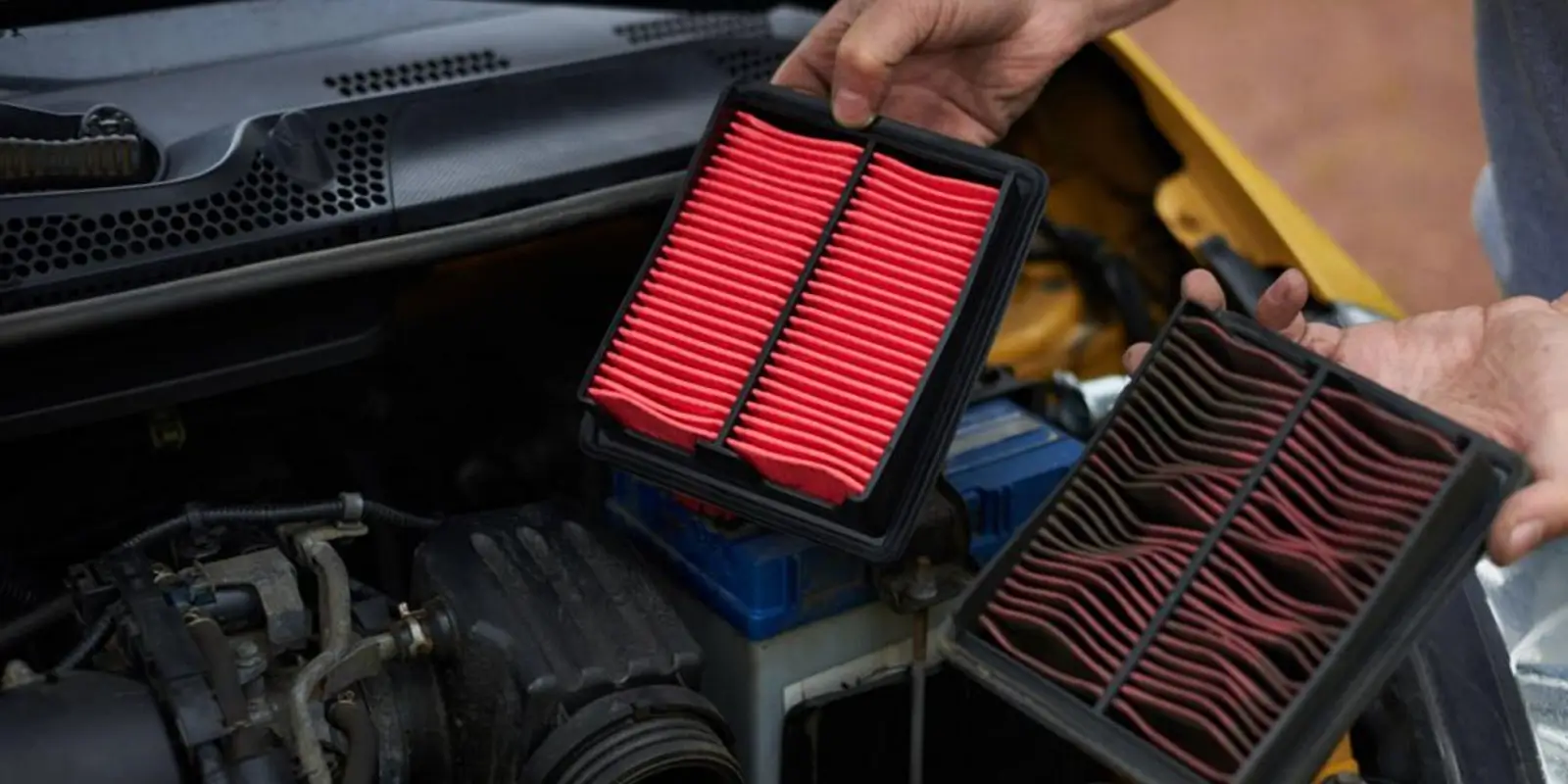
The primary function of an engine air filter is to prevent dirt, debris, and other contaminants from entering the engine’s intake system. This is vital because the internal combustion process relies on a precise mixture of air and fuel. Any obstruction or contamination can disrupt this balance, leading to a host of performance issues. For example, a clogged air filter can restrict airflow, resulting in reduced engine power and efficiency. In some cases, the engine may even experience stalling or misfiring due to inadequate air supply.
One of the most common scenarios I’ve encountered is the gradual degradation of air filter efficiency over time. In vehicles that frequently operate in dusty environments – like construction sites or unpaved roads – the air filter tends to accumulate contaminants more rapidly. This accumulation can lead to a noticeable drop in acceleration and response. Conversely, in cleaner environments, the filter may last longer but can still become saturated with moisture or oil, particularly in vehicles that have undergone modifications or use non-standard engine oil.
The material of the air filter also plays a role in its effectiveness. Traditional paper filters are effective for standard driving conditions, but they can become saturated quickly in harsher environments. On the other hand, high-flow filters made from cotton or synthetic materials may offer better airflow but require more frequent maintenance and cleaning. I’ve seen instances where a vehicle owner, eager for performance gains, switches to a high-flow filter without understanding the implications. While they may gain some horsepower, the increased airflow can also lead to a higher intake of contaminants, potentially shortening the engine’s lifespan.
Temperature and load conditions further complicate the picture. Engines operating under heavy loads, such as towing or carrying heavy cargo, tend to generate more heat. This heat can affect the air filter’s material integrity and performance. A filter that is too restrictive under high load can lead to overheating, which may cause engine knock or other serious issues. Conversely, in colder climates, moisture can accumulate in the filter and freeze, leading to temporary blockages that may affect engine performance until the ice thaws.
Regular inspection and replacement of the air filter are essential practices for maintaining optimal engine performance. However, the replacement interval can vary significantly based on driving habits, environmental conditions, and vehicle type. It’s not uncommon for me to recommend changing the filter every 15,000 to 30,000 miles, but I always advise drivers to check their filters more frequently if they notice performance issues or if their driving conditions are less than ideal.
In my experience, one of the most telling symptoms of a failing air filter is decreased fuel efficiency. A dirty or clogged filter can force the engine to work harder to draw in air, leading to increased fuel consumption. This is particularly noticeable in vehicles that are otherwise well-maintained. If a driver observes a sudden drop in miles per gallon without any other changes to their driving habits, it’s worth inspecting the air filter.
Another common observation is the presence of engine warning lights. Some modern vehicles are equipped with advanced engine management systems that monitor air intake and can trigger warning lights if they detect issues related to airflow. Ignoring these indicators can lead to more significant problems down the line, including damage to the mass airflow sensor or catalytic converter, both of which can be costly to repair.
In summary, the engine air filter is a critical component that deserves attention in any maintenance regimen. Its condition directly impacts engine performance, efficiency, and longevity. By consistently monitoring and replacing the air filter as needed, vehicle owners can maintain their engines in optimal condition, ultimately leading to a more reliable and efficient driving experience.
While the air filter may seem like a minor part of the larger engine system, neglecting it can have cascading effects that compromise vehicle performance. I’ve seen too many instances where a simple air filter replacement could have prevented more extensive engine issues. Understanding the role of the air filter within the broader context of vehicle maintenance is essential for anyone looking to keep their vehicle running smoothly over time.