Antifreeze, commonly referred to as coolant, plays a vital role in maintaining the operational efficiency of a vehicle’s cooling system. Over the years, I have seen firsthand the impact of antifreeze on engine performance, particularly in extreme temperature conditions. From managing heat dissipation to preventing corrosion, antifreeze is a critical component that deserves attention, especially as vehicles age and their cooling systems face various challenges.
One of the primary functions of antifreeze is to lower the freezing point of the coolant mixture, allowing it to remain in a liquid state even in sub-zero temperatures. This is crucial for ensuring that the engine does not experience freeze damage during cold weather. Conversely, antifreeze raises the boiling point of the coolant, which is equally important during high-temperature operations. An effective coolant mixture can typically withstand temperatures up to 265°F (129°C) or higher, depending on the specific formulation.
In my experience, many vehicle owners underestimate the importance of maintaining the proper antifreeze concentration. A mixture that is too diluted can lead to freezing in colder climates, while an overly concentrated solution can result in overheating during warmer months. The standard recommendation is a 50/50 mix of antifreeze and distilled water, but this can vary based on the specific vehicle and its operating environment. Regular checks and adjustments to this mixture are essential, particularly before seasonal changes.
Understanding Coolant Types and Their Properties
Antifreeze comes in various formulations, primarily categorized into two types: ethylene glycol and propylene glycol. Ethylene glycol is the most common type found in vehicles due to its superior heat transfer properties and lower cost. However, it’s important to note that ethylene glycol is toxic, posing risks to pets and wildlife if spilled. Propylene glycol, while less efficient in terms of heat transfer, is considered safer for the environment and is often used in applications where spills may occur.
Another critical aspect of antifreeze is the inclusion of corrosion inhibitors. Over time, metal components in the cooling system, such as the radiator, water pump, and engine block, can corrode if left unprotected. Manufacturers often formulate antifreeze with specific additives that prevent rust and corrosion. In my experience, vehicles that use low-quality or outdated coolant formulations often exhibit premature wear on these components, leading to costly repairs. Regularly changing the coolant, as per the vehicle manufacturer’s recommendations, can greatly enhance the longevity of the cooling system.
The Consequences of Neglecting Antifreeze
Ignoring the condition and concentration of antifreeze can lead to several issues. One common problem I have encountered is the formation of sludge or scale within the cooling system. This can occur when the coolant becomes contaminated, either from external debris or from the breakdown of internal components. Sludge can clog passages in the radiator and heater core, reducing the system’s efficiency and leading to overheating or inadequate cabin heating.
Additionally, a lack of proper antifreeze can result in leaks. As the coolant breaks down, it becomes less effective at sealing small gaps and cracks within the system. Over time, this can lead to significant coolant loss, requiring constant top-offs and potentially resulting in engine overheating. In some cases, I have seen vehicles that have suffered catastrophic engine failure due to prolonged overheating resulting from inadequate coolant levels.
Temperature Extremes and Their Impact
Temperature extremes can significantly affect how antifreeze performs. In hot climates, the coolant must effectively dissipate heat generated by the engine. If the antifreeze loses its effectiveness due to age or contamination, the engine can overheat, leading to warped cylinder heads or blown gaskets. I have witnessed many instances where a simple coolant flush and replacement could have prevented expensive repairs.
Conversely, in cold climates, the risk of freezing can lead to severe engine damage. When coolant freezes, it expands, which can crack engine blocks or damage radiators. This is particularly true in vehicles that have been left unattended for extended periods during winter months. Regularly checking the antifreeze concentration with a refractometer or hydrometer can help avoid such disasters.
Real-World Observations and Maintenance Practices
Over the years, I have developed a keen sense of when antifreeze issues are arising. A common symptom is the presence of a sweet smell, often indicating a coolant leak. This is particularly noticeable around the engine bay or under the vehicle. Another sign is the presence of steam or overheating gauges, which can signify that the cooling system is not effectively managing heat. In such cases, I have often found that a thorough inspection of the coolant system, including hoses, clamps, and the radiator, reveals leaks or blockages that need addressing.
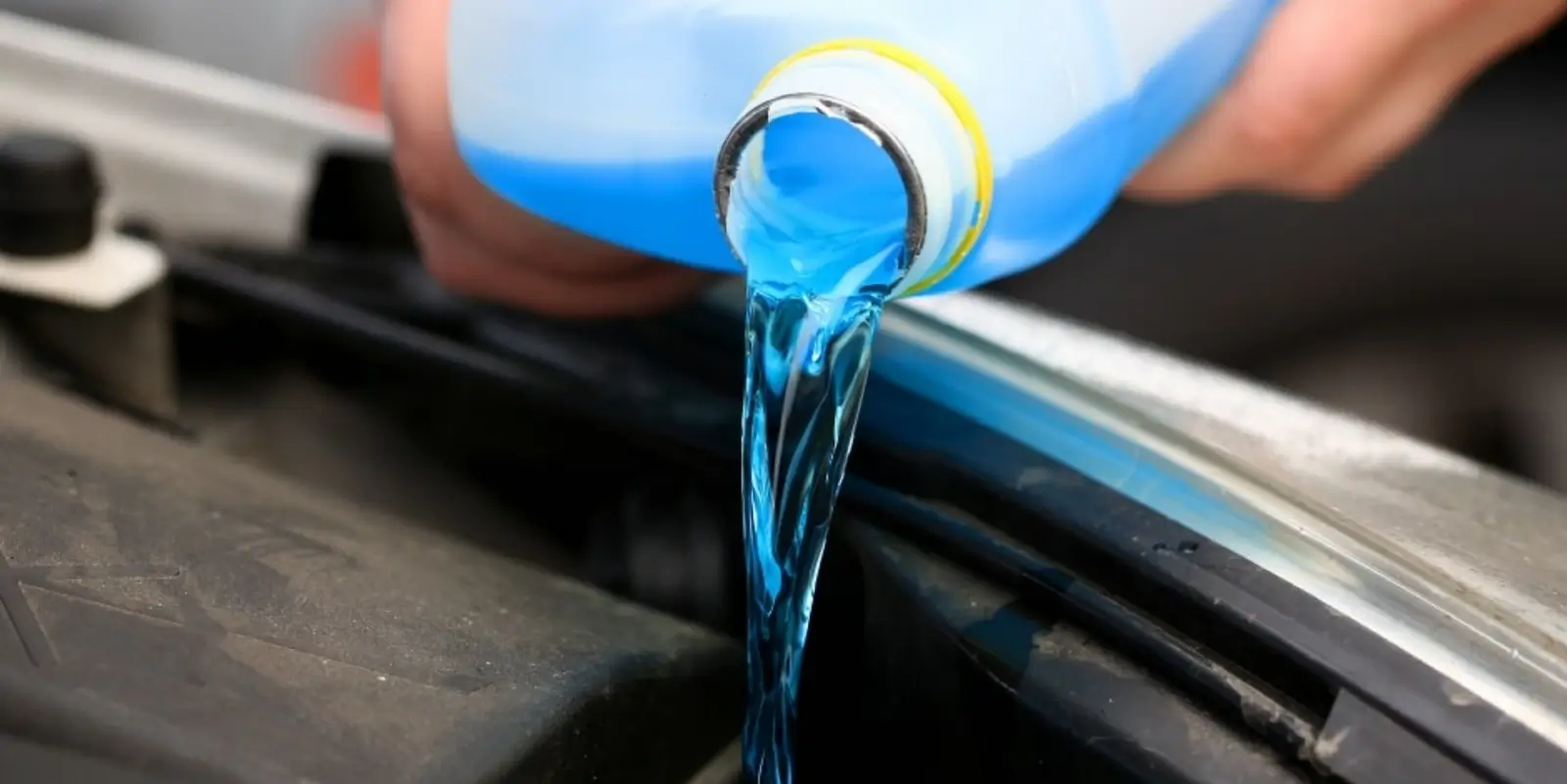
Regular maintenance practices, such as flushing the cooling system every few years, are essential for optimal performance. This process helps remove any contaminants or buildup that can compromise the antifreeze’s effectiveness. I have often recommended that vehicle owners pay attention to their coolant color. Fresh antifreeze typically appears bright green, orange, or pink, depending on the formulation. A change in color to a brown or rusty hue can indicate contamination and necessitate immediate action.
In addition to routine maintenance, being mindful of the vehicle’s operating conditions is crucial. For instance, if a vehicle is frequently driven in stop-and-go traffic or under heavy loads, it may require more frequent coolant checks and changes. These conditions place additional strain on the cooling system, potentially leading to quicker degradation of the antifreeze.
Conclusion: A Cautionary Note
While antifreeze may seem like a straightforward component of a vehicle’s cooling system, its role is multifaceted and critical. Neglecting its maintenance can lead to a cascade of issues, from minor inconveniences to significant and costly repairs. Understanding the properties of antifreeze, its proper mixture, and the symptoms of potential problems can help vehicle owners maintain their cooling systems effectively. In my experience, proactive attention to antifreeze and coolant systems can not only enhance vehicle performance but also extend the life of the engine and associated components.