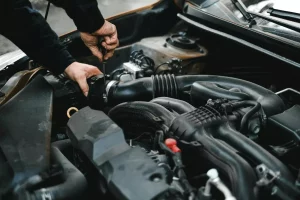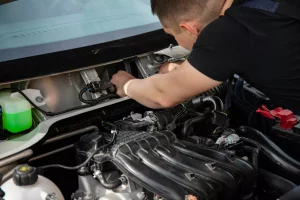
In the complex world of automotive engineering, the EGR (Exhaust Gas Recirculation) valve plays a crucial role in reducing emissions and improving efficiency. It’s a component that, while often overlooked by drivers, has significant implications for the performance and longevity of an engine. With years of hands-on experience under the hood, I have seen firsthand how the EGR valve, when functioning properly, contributes to a vehicle’s optimal performance. However, like many components, it is not immune to issues that can arise over time.
The EGR valve is designed to recirculate a portion of the engine’s exhaust gases back into the intake manifold. This process helps lower the combustion temperature, which in turn reduces the formation of nitrogen oxides (NOx) – a significant pollutant. In practice, this means the EGR valve is constantly exposed to high temperatures and carbon deposits, which can lead to some common failure modes.
One of the most frequent issues with EGR valves is clogging. Carbon build-up is inevitable given the nature of exhaust gases, and over time, these deposits can restrict the valve’s movement or block the passage altogether. This is particularly common in vehicles that spend a lot of time idling or in stop-and-go traffic, where the engine doesn’t reach optimal operating temperatures consistently. When the valve becomes clogged, it can lead to symptoms such as rough idling, reduced fuel efficiency, or even a noticeable decrease in engine performance.
Another issue I’ve encountered is the failure of the EGR valve’s mechanical components. The valve relies on a diaphragm or solenoid to open and close, and these parts can wear out or become stuck. This mechanical failure often leads to similar symptoms as clogging, but it might also trigger a check engine light, providing a more immediate clue to the driver that something is amiss.
Impact on Engine Performance and Diagnostics
The effects of a malfunctioning EGR valve can be subtle or pronounced, depending on the severity of the issue. A partially clogged valve might only cause minor performance dips, while a completely stuck valve can lead to more serious engine knocking or misfires. In modern vehicles, the engine control unit (ECU) monitors the EGR system closely. When it detects a problem, it typically logs a diagnostic trouble code (DTC) which can be read with a scan tool – a helpful starting point for troubleshooting.
However, diagnosing EGR-related issues isn’t always straightforward. The symptoms can mimic other problems, such as faulty spark plugs or ignition coils. Therefore, it’s crucial to approach diagnostics methodically, considering all potential causes. In my experience, a thorough visual inspection of the valve and related components can often reveal telltale signs of trouble, such as excessive soot or physical damage.
Environmental and Regulatory Considerations
The importance of the EGR valve extends beyond engine performance. With increasing environmental regulations, maintaining a functional EGR system is vital for compliance with emissions standards. Vehicles with faulty EGR valves often fail emissions tests, leading to potential fines or registration issues. This regulatory pressure underscores the need for regular maintenance and timely repairs.
From a broader perspective, the EGR system reflects the automotive industry’s ongoing effort to balance performance with environmental responsibility. By reducing NOx emissions, EGR valves contribute to cleaner air and a healthier environment, aligning with global efforts to reduce the impact of automotive pollution.
Real-World Scenarios and Maintenance Insights
In colder climates, vehicles might experience more frequent EGR issues due to the condensation of exhaust gases, which can exacerbate clogging. Conversely, in hotter regions, the constant high-temperature exposure can accelerate wear on mechanical components. Understanding these environmental influences can help in predicting potential problems and planning preventive maintenance.
Regular maintenance is key to avoiding EGR valve issues. This includes periodic inspections and cleaning to remove carbon deposits before they cause significant blockages. In some cases, using high-quality fuels and engine oils can also reduce the rate of carbon build-up, extending the life of the EGR valve.
When addressing EGR valve problems, it’s important to consider the entire exhaust and intake system. Issues with related components, such as the EGR cooler or sensors, can also impact the valve’s operation. A holistic approach to maintenance ensures that all potential causes are addressed, reducing the likelihood of recurring problems.
In summary, while the EGR valve might seem like a small component, its role in engine efficiency and emissions control is substantial. Understanding its function and the common issues it faces can help in maintaining vehicle performance and compliance with environmental standards. The EGR valve is a testament to the intricate balance within automotive systems, where even minor components have significant roles to play.