The role of antifreeze in automotive cooling systems is often underestimated, yet it is a critical component that directly impacts engine performance and longevity. In my years of working on a variety of vehicles, from compact cars to heavy-duty trucks, I’ve encountered numerous scenarios where antifreeze quality and type have played pivotal roles in both preventative maintenance and urgent repairs. Understanding these complexities requires a look beyond the label on the bottle and into the nuances of how antifreeze interacts with different engine materials and conditions.
Antifreeze, or coolant, serves multiple purposes. Primarily, it lowers the freezing point of the liquid in the cooling system, which is vital in colder climates. Conversely, it raises the boiling point, allowing the coolant to remain effective under high temperatures generated by the engine. Beyond these temperature controls, antifreeze also provides corrosion protection for engine components, which can be particularly crucial in areas with high humidity or where road salts are prevalent.
When discussing antifreeze, one cannot overlook the different types available on the market. Ethylene glycol and propylene glycol are the two main types of antifreeze used in vehicles. Ethylene glycol is more commonly found due to its superior thermal conductivity and heat transfer properties. However, it is toxic and poses environmental risks. Propylene glycol, while less efficient in heat transfer, is non-toxic and often used in applications where human exposure is a concern, such as in RVs and some commercial vehicles.
Another important aspect is the formulation of antifreeze. In my experience, the color of the coolant often reflects its chemical composition, but this is not a strict rule. For example, traditional green antifreeze is typically based on inorganic acid technology (IAT), while the orange or pink varieties often indicate organic acid technology (OAT). The differences in these formulations can lead to significant issues if mixed improperly, as they can cause gelling or sediment buildup that obstructs cooling passages.
One common oversight I’ve encountered involves the transition from one type of antifreeze to another without proper flushing of the cooling system. When a vehicle owner decides to switch from an IAT to an OAT coolant, or vice versa, the residual coolant can react unfavorably with the new formulation. This can lead to blockages or even premature failure of components such as the water pump or radiator. Regular maintenance and adherence to manufacturer recommendations are essential to avoid such pitfalls.
Real-World Observations: Symptoms and Failures
In the field, I’ve seen a range of symptoms that indicate antifreeze-related issues. Overheating is a primary concern. When a vehicle begins to overheat, it can be easy to assume that the thermostat or water pump is at fault. However, I’ve frequently found that inadequate coolant levels or degraded antifreeze can be the root cause. Coolant leaks, often originating from hoses, gaskets, or even the radiator itself, can lead to significant drops in antifreeze levels. A quick visual inspection can reveal stains or puddles under the vehicle, but sometimes leaks are internal, requiring more thorough diagnostics.
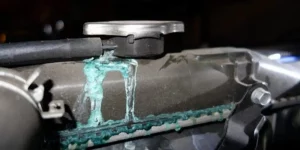
Another symptom often overlooked is the presence of rust or sludge in the coolant reservoir. This can indicate that the protective properties of the antifreeze have diminished, allowing corrosion to set in. A vehicle that has been running on old or improperly mixed antifreeze may develop a buildup of sludge, which can lead to blockages in the cooling system. In extreme cases, this can necessitate a complete overhaul of the cooling system components, including a new radiator and water pump.
Temperature fluctuations can also provide insights into the condition of the antifreeze. If a vehicle shows erratic temperature readings, it may point to air pockets in the system or a failing thermostat. In some instances, the coolant may not be circulating properly due to a malfunctioning water pump or a clogged radiator. Observing these temperature changes can be crucial for diagnosing underlying issues before they escalate into more serious problems.
Environmental Factors and Antifreeze Performance
Environmental conditions play a significant role in antifreeze performance. For example, vehicles operating in extreme heat, such as in desert climates, may require different formulations than those used in colder regions. High ambient temperatures can lead to faster degradation of antifreeze, necessitating more frequent changes. Conversely, in colder climates, antifreeze must be able to perform effectively without freezing, which can be a challenge for lower-quality products.
Additionally, the vehicle’s usage pattern influences antifreeze behavior. Commercial vehicles that operate under heavy loads and high RPMs generate more heat and require robust cooling systems. In these scenarios, investing in high-quality antifreeze that can withstand severe conditions becomes critical. I have observed that fleets that adhere to strict maintenance schedules, including regular coolant checks and replacements, tend to experience fewer breakdowns related to overheating and cooling system failures.
On the other hand, vehicles that are used infrequently or for short trips may not circulate their antifreeze as thoroughly. This can lead to localized overheating and premature wear. In such cases, regular checks and possibly even seasonal antifreeze changes can help mitigate issues. It’s not uncommon to find that a vehicle that has sat idle for an extended period may develop corrosion or sludge, necessitating a flush and refill of the cooling system.
Long-Term Effects of Antifreeze Choices
The long-term effects of antifreeze choices manifest not only in vehicle performance but also in repair costs. A vehicle that has consistently run on high-quality antifreeze is less likely to experience corrosion or sediment buildup. Conversely, those that have been filled with lower-quality or improperly mixed antifreeze often face a cascade of issues, from clogged radiators to failed water pumps, which can lead to costly repairs.
It is also worth noting that the longevity of antifreeze itself varies. Many manufacturers recommend changing antifreeze every two to five years, depending on the type and formulation. However, I have seen cases where antifreeze was left unchanged far beyond recommended intervals, leading to significant issues. Regular monitoring of coolant condition, including checking for clarity and odor, can provide insights into whether it’s time for a replacement.
In summary, antifreeze is a vital component in maintaining a vehicle’s cooling system. Its role extends beyond merely preventing freezing; it is integral to the overall health of the engine. Understanding the complexities of antifreeze types, their interactions with engine materials, and the environmental factors at play can help diagnose and prevent issues that may arise over time. As with many aspects of vehicle maintenance, a proactive approach often yields the best outcomes, avoiding the pitfalls that can lead to costly repairs down the line.