Motor mounts are often overlooked components in vehicles, yet they play a significant role in how a car handles and performs. As an automotive expert with years of hands-on experience, I have encountered numerous instances where worn motor mounts led to a range of issues, some of which could escalate into more severe problems if not addressed. Understanding the function of motor mounts, the symptoms of their failure, and the implications of neglecting these signs can provide valuable insights for vehicle owners.
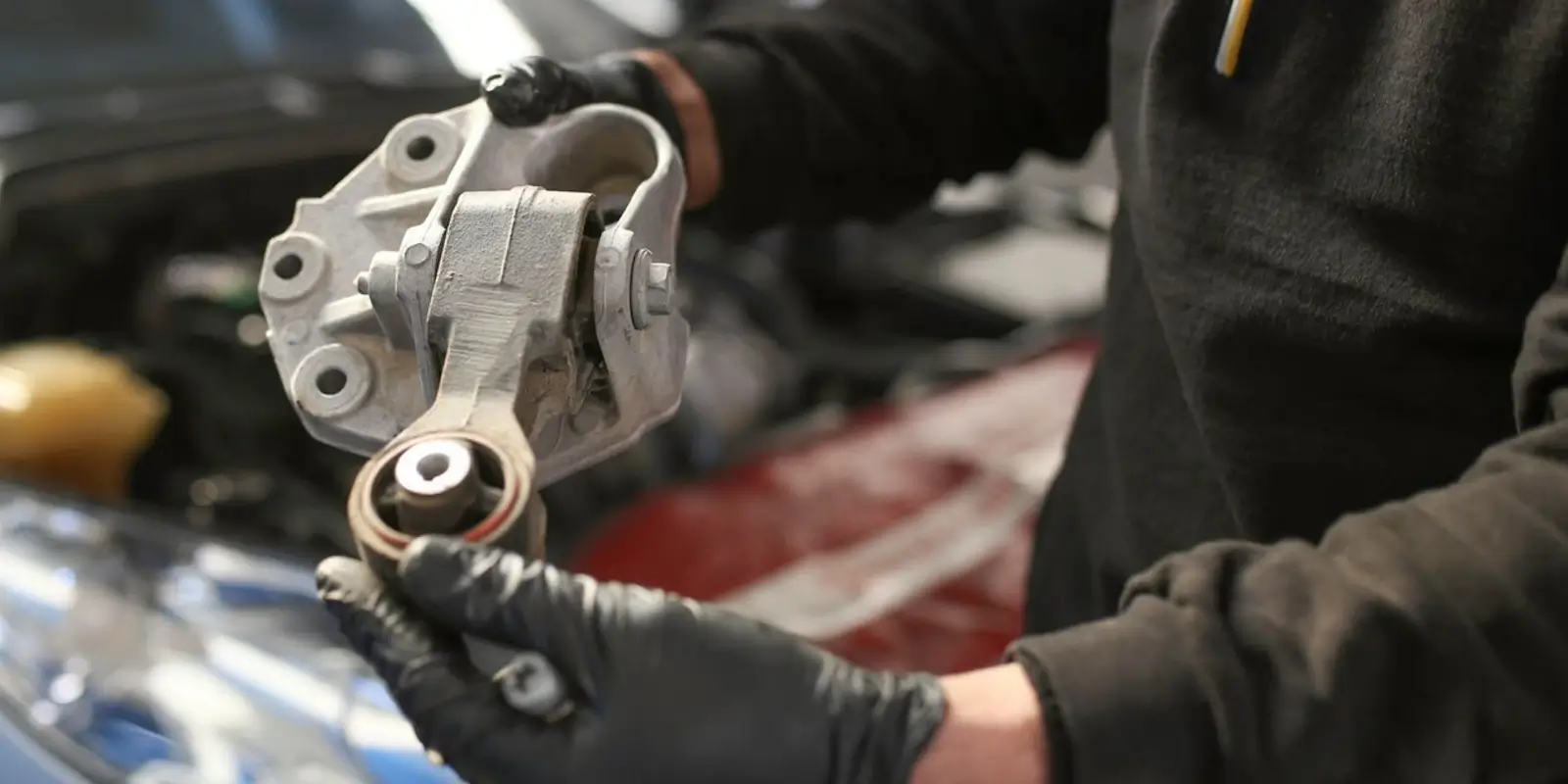
Motor mounts serve the essential purpose of securing the engine and transmission to the vehicle’s chassis. They absorb vibrations and shocks from the engine, helping to maintain alignment and reduce noise. Typically made from rubber and metal, these mounts are designed to withstand the harsh conditions of heat, load, and vibration. Over time, however, the materials can degrade, leading to various symptoms that signal a need for inspection or replacement.
One of the most noticeable symptoms of worn motor mounts is increased engine vibration. When the rubber in the mount deteriorates, it loses its ability to dampen vibrations effectively. This can lead to a noticeable increase in engine noise and vibrations that can be felt throughout the cabin. In some cases, the vibrations may be more pronounced during acceleration or when idling, which can be disconcerting for drivers.
Another common indicator of motor mount wear is misalignment of the engine. When mounts begin to fail, they can no longer keep the engine in its intended position. This misalignment can lead to various issues, including uneven wear on belts and hoses, as well as increased stress on other components. For instance, a misaligned engine may cause the drive belt to wear unevenly, leading to its premature failure. This cascading effect can lead to additional repairs that could have been avoided had the motor mounts been replaced in a timely manner.
Excessive engine movement during acceleration or deceleration is another symptom to watch for. If you notice that the engine shifts significantly when you accelerate or when you take your foot off the gas pedal, it may indicate that the motor mounts are no longer providing adequate support. This movement can lead to increased strain on the drivetrain, potentially resulting in other mechanical failures down the line.
In some vehicles, particularly those with larger engines or more powerful drivetrains, the effects of worn motor mounts can be even more pronounced. For example, in performance vehicles or trucks that frequently tow heavy loads, the added stress can accelerate the wear of motor mounts. As a result, drivers of these vehicles should be particularly vigilant for signs of wear, as the consequences of neglecting this issue can be more severe.
It’s not uncommon for drivers to experience an unusual clunking or thudding noise when shifting from park to drive or reverse. This noise can be attributed to the engine moving excessively due to worn mounts. As the engine shifts, it may come into contact with other components, resulting in these audible sounds. While some drivers may dismiss these noises as minor irritations, they can indicate a significant underlying issue that warrants further investigation.
In addition to these symptoms, visual inspection can often reveal signs of motor mount failure. Cracks or tears in the rubber portion of the mount are a clear indication that replacement is necessary. Furthermore, if you notice any oil or fluid leaking from the mount area, this could suggest that the mount has begun to break down. Fluids can accelerate wear, making timely inspection crucial.
Heat is another factor that significantly influences the longevity of motor mounts. The engine generates a considerable amount of heat during operation, and this can lead to the degradation of rubber over time. In vehicles that frequently operate in high-temperature environments, the motor mounts may experience accelerated wear. This is particularly relevant in commercial vehicles, which often endure prolonged periods of operation under heavy load and heat.
As motor mounts wear, they may also start to affect the overall handling dynamics of the vehicle. Drivers may notice a lack of responsiveness or a vague feeling in the steering. This is often due to the engine not being properly secured, which can lead to changes in weight distribution and handling characteristics. In performance-oriented vehicles, this can significantly detract from the driving experience.
While some symptoms of worn motor mounts may seem innocuous, it’s essential to address them promptly. Ignoring these signs can lead to more severe issues, including damage to the engine or transmission. Additionally, the costs associated with repairs can escalate quickly if related components begin to fail due to the excessive strain caused by worn mounts.
In my experience, the most effective approach to managing motor mount wear is through regular inspections. It’s beneficial to incorporate checking motor mounts into routine maintenance schedules, especially for vehicles that undergo heavy use. This proactive measure can help catch potential issues before they escalate, ultimately saving time and money.
When it comes to replacement, it’s important to consider the quality of the motor mounts being used. While it may be tempting to opt for the least expensive option, investing in high-quality components can result in better performance and longer-lasting results. Aftermarket mounts often provide different levels of stiffness and vibration dampening, which can be tailored to the specific needs of the vehicle and its intended use.
In summary, motor mounts may not be the most glamorous components of a vehicle, but their role is critical in maintaining performance and stability. Recognizing the symptoms of wear, such as increased vibrations, misalignment, and unusual noises, can help prevent more significant issues down the line. Regular inspections and careful consideration of replacement options can contribute to the longevity and reliability of a vehicle. As with many aspects of automotive maintenance, a proactive approach often yields the best results.