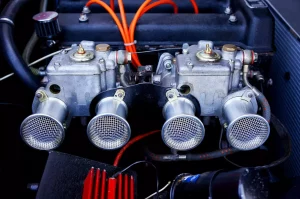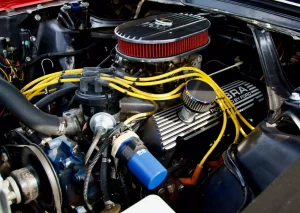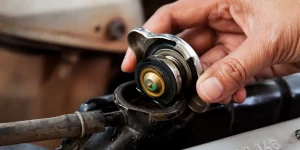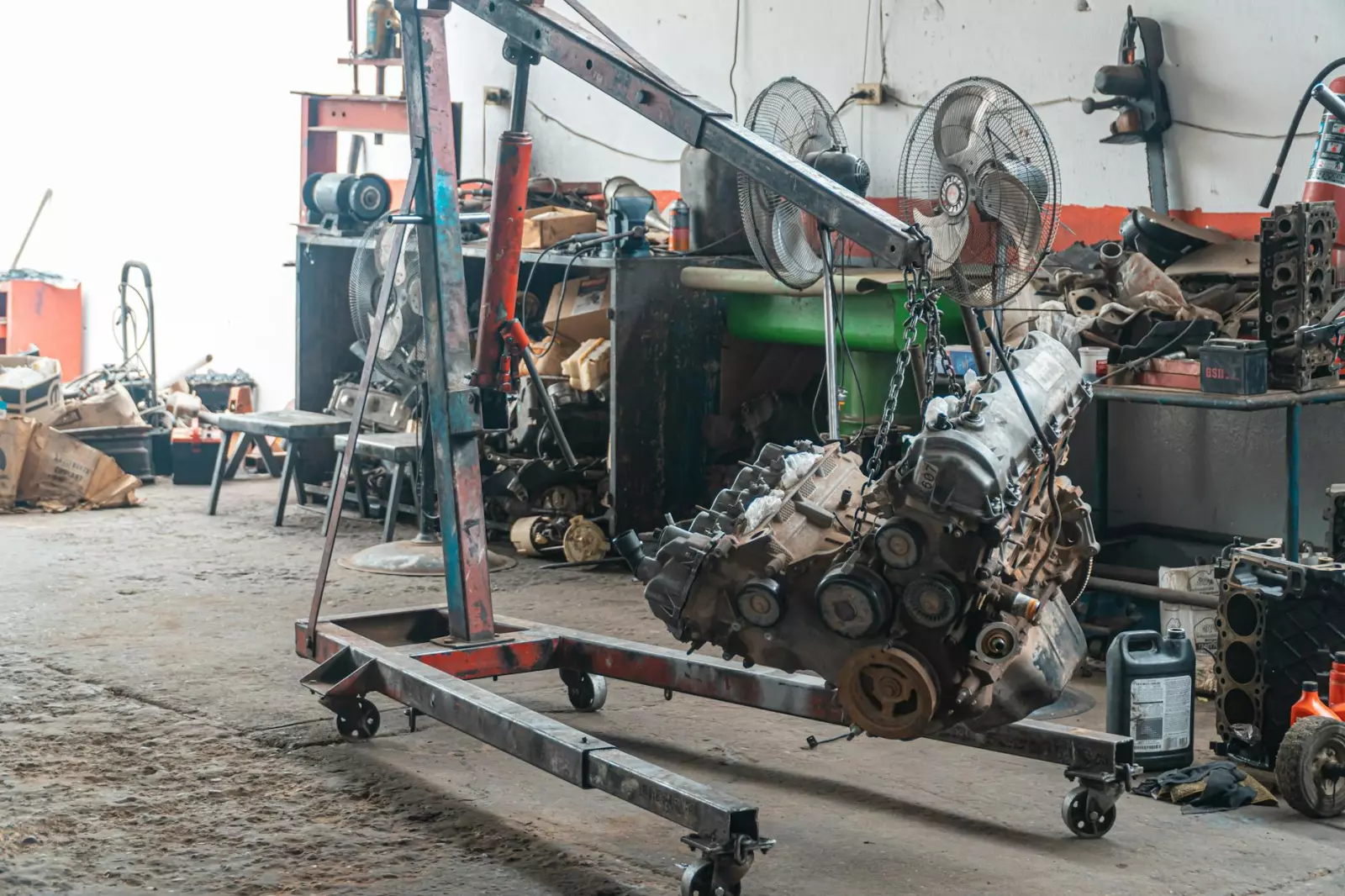
The replacement of a head gasket is often a significant event in the life of an engine. This task is not only time-consuming but also critical to the overall health of the engine. In my years working with various vehicles, I have seen how this repair can impact engine longevity, performance, and reliability. The head gasket serves a vital function, sealing the combustion chamber and ensuring that coolant and oil do not mix, which is crucial for optimal engine operation.
When a head gasket fails, it can lead to a range of issues, including overheating, loss of power, and, in some cases, catastrophic engine failure. The symptoms of a blown head gasket often manifest as coolant loss, white smoke from the exhaust, or an oil contamination that can be evident if you check the dipstick. Addressing these warning signs promptly is essential, as ignoring them can lead to further damage, requiring more extensive repairs.
The question of how long an engine will last after a head gasket replacement is nuanced. It largely depends on several factors, including the quality of the replacement parts, the skill of the technician performing the work, and the overall condition of the engine before the repair. In my experience, if a head gasket is replaced correctly and the engine is otherwise sound, it can continue to operate effectively for many years. However, there are specific considerations that can influence this outcome.
First, the engine's operating conditions play a crucial role. Engines that regularly experience high temperatures or heavy loads can be more prone to additional failures after a head gasket replacement. For instance, a truck that tows heavy loads frequently may not perform as well over time if the cooling system is not adequately maintained or if the engine was previously subjected to severe stress. Such conditions can exacerbate wear on components and lead to premature failure.
Another important factor is the materials and specifications of the replacement head gasket. In the aftermarket, there are various types of gaskets available, including OEM (original equipment manufacturer) and aftermarket options. While OEM parts are generally designed to meet the original specifications and performance standards, some aftermarket options may not provide the same level of reliability. This discrepancy can lead to further issues, such as inadequate sealing or premature degradation of the gasket material.
In addition to the gasket itself, the condition of the cylinder head and engine block must also be evaluated during the replacement process. Warping or cracking in these components can lead to a poor seal, undermining the effectiveness of the new head gasket. A technician's thorough inspection and, if necessary, machining of these surfaces can mean the difference between a successful repair and subsequent problems.
After a head gasket replacement, it is common to monitor the engine for signs of continued issues. A good practice is to observe coolant levels and watch for any signs of oil contamination. In my experience, a slight loss of coolant can be normal as the new gasket settles, but significant or persistent leaks warrant further investigation. Moreover, if the engine begins to exhibit symptoms similar to those present before the gasket was replaced, such as overheating or loss of power, it is crucial to address these issues promptly. In some cases, they may indicate deeper problems, such as a failing water pump or a compromised cooling system.
The engine’s behavior in the months following a head gasket replacement can provide insights into its overall health. Some engines may run more smoothly and efficiently post-repair, while others may reveal latent issues that were previously masked by the symptoms of a failing gasket. For example, if a vehicle experiences improved fuel efficiency or a reduction in exhaust emissions, it may indicate that the engine is now operating as intended.
It's also worth noting that certain engines are more prone to head gasket failures than others. For instance, aluminum engines tend to warp more easily under high heat compared to their iron counterparts. This characteristic can lead to recurring gasket issues if the underlying causes are not addressed. Understanding these tendencies can help technicians and owners alike anticipate potential problems and take proactive measures.
In the realm of commercial vehicles, where uptime is critical, the stakes are even higher. A head gasket failure in a delivery truck can lead to significant downtime and losses. Fleet operators often prioritize regular maintenance and monitoring to ensure that engines remain in optimal condition. They may also opt for more rigorous inspections of components known to be susceptible to failure, including the head gasket, especially in vehicles that operate under demanding conditions.
The implications of a head gasket replacement extend beyond the immediate repair. It can serve as a moment to reassess the overall condition of the engine and surrounding systems. For instance, I often see technicians recommend a thorough coolant system flush and inspection of related components, such as hoses and the thermostat, during or after a head gasket replacement. These additional steps can prevent future complications and enhance the engine's longevity.
In summary, while the replacement of a head gasket can restore an engine's function, it is not a guarantee of long-lasting reliability. The longevity of the engine following this repair is influenced by several interrelated factors, including the quality of the components used, the conditions under which the engine operates, and the thoroughness of the repair process. Awareness of these factors can lead to better outcomes and a more reliable vehicle in the long run.
As I reflect on numerous instances of head gasket replacements throughout my career, it becomes clear that attention to detail and a comprehensive understanding of the engine's needs are paramount. The real-world implications of this repair extend well beyond the garage, affecting performance, reliability, and ultimately, the trust that drivers place in their vehicles.