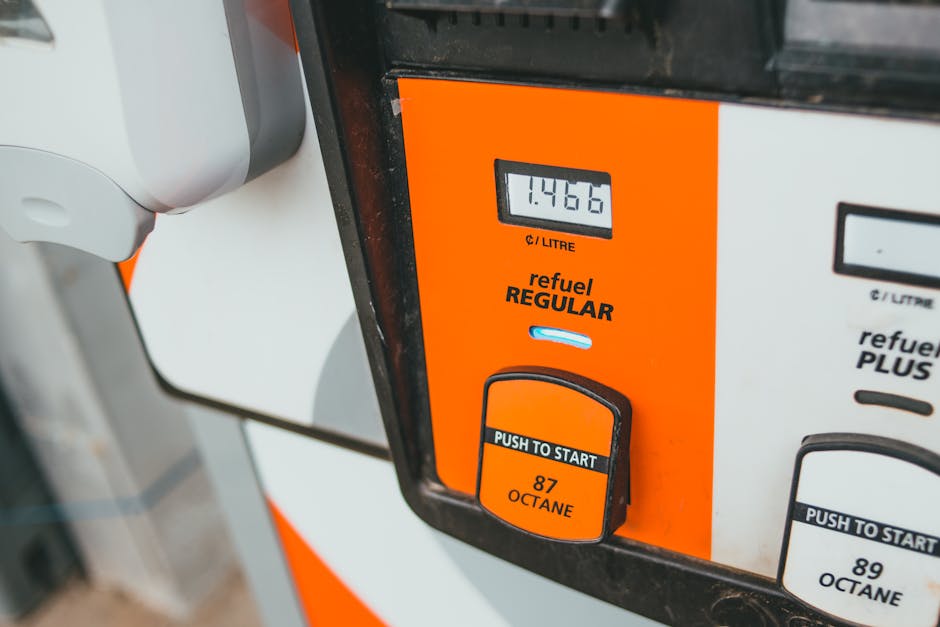
In the realm of automotive experience, the quest for improved fuel economy is a familiar challenge faced by many drivers and fleet operators. Over the years, I’ve encountered numerous vehicles exhibiting various behaviors related to fuel consumption, often revealing patterns that are both predictable and insightful. While there are a multitude of factors influencing fuel efficiency, several practical observations consistently emerge from hands-on experience.
One of the most noticeable contributors to fuel economy issues is the state of the vehicle’s tires. It’s not uncommon to see vehicles with tires that are under-inflated, which can significantly impact fuel efficiency. Proper tire pressure is crucial; when tires are soft, they create more rolling resistance. This means the engine has to work harder to maintain speed, leading to increased fuel consumption. Regularly checking tire pressure and ensuring they are inflated to the manufacturer’s recommended levels can yield noticeable improvements. In my experience, many drivers overlook this simple maintenance task, often leading to unnecessary fuel costs.
Another critical aspect that affects fuel efficiency is the condition of the engine and its components. A well-tuned engine operates more efficiently and burns fuel more effectively. Regular maintenance, such as changing the oil and replacing air filters, plays a vital role in this. I’ve often seen vehicles that have been neglected in terms of routine servicing, leading to clogged filters and degraded oil. These conditions can cause the engine to work harder, thereby consuming more fuel. In particular, a dirty air filter can restrict airflow, resulting in a rich fuel mixture that wastes fuel. Keeping an eye on these components is essential, as neglect can lead to compounding issues over time.
In my observations, the driver’s behavior is also a significant factor in fuel economy. Aggressive driving, characterized by rapid acceleration and hard braking, can lead to a substantial increase in fuel consumption. Many drivers are unaware of how their driving habits affect their vehicle’s efficiency. Smooth acceleration and gentle braking can enhance fuel economy significantly. Additionally, maintaining a steady speed, especially on highways, can reduce the amount of fuel used. The benefits of adopting a more measured driving style are often underappreciated but can have a direct impact on the bottom line, particularly for commercial operators who rely on fuel efficiency for profitability.
Environmental conditions also play a role in fuel consumption. For instance, driving in hilly or mountainous terrain often requires more power from the engine, resulting in higher fuel usage. Similarly, using air conditioning can lead to additional strain on the engine, particularly in stop-and-go traffic. In my experience, drivers often fail to consider how these external factors can compound their fuel costs. Awareness of the driving environment can enable drivers to plan their routes more efficiently, potentially avoiding heavy traffic or steep inclines when possible.
Another area that frequently goes overlooked is the vehicle’s weight. Excessive weight from unnecessary cargo or accessories can lead to increased fuel consumption. I have seen many pickup trucks and SUVs loaded with items that are rarely used. Removing excess weight can lead to noticeable improvements in fuel economy. The relationship between weight and fuel efficiency is straightforward: the heavier the vehicle, the more fuel is required to move it. This principle applies not only to personal vehicles but also to commercial fleets, where every pound can affect operational costs.
While these observations may seem straightforward, they are often overlooked in the pursuit of better fuel economy. It is important to remember that fuel efficiency is a multifaceted issue, influenced by a combination of vehicle maintenance, driver behavior, environmental conditions, and the vehicle’s load. Each factor interacts in complex ways, and improving fuel economy often requires a holistic approach.
In summary, the journey towards better fuel economy is one that requires attention to detail and a willingness to adapt. Maintenance routines, mindful driving habits, and an understanding of the vehicle’s operational environment can lead to significant improvements. By addressing these areas, drivers can not only enhance their fuel efficiency but also contribute to the overall longevity and performance of their vehicles. The cumulative effects of these practices can lead to tangible benefits, both in terms of fuel savings and vehicle reliability.