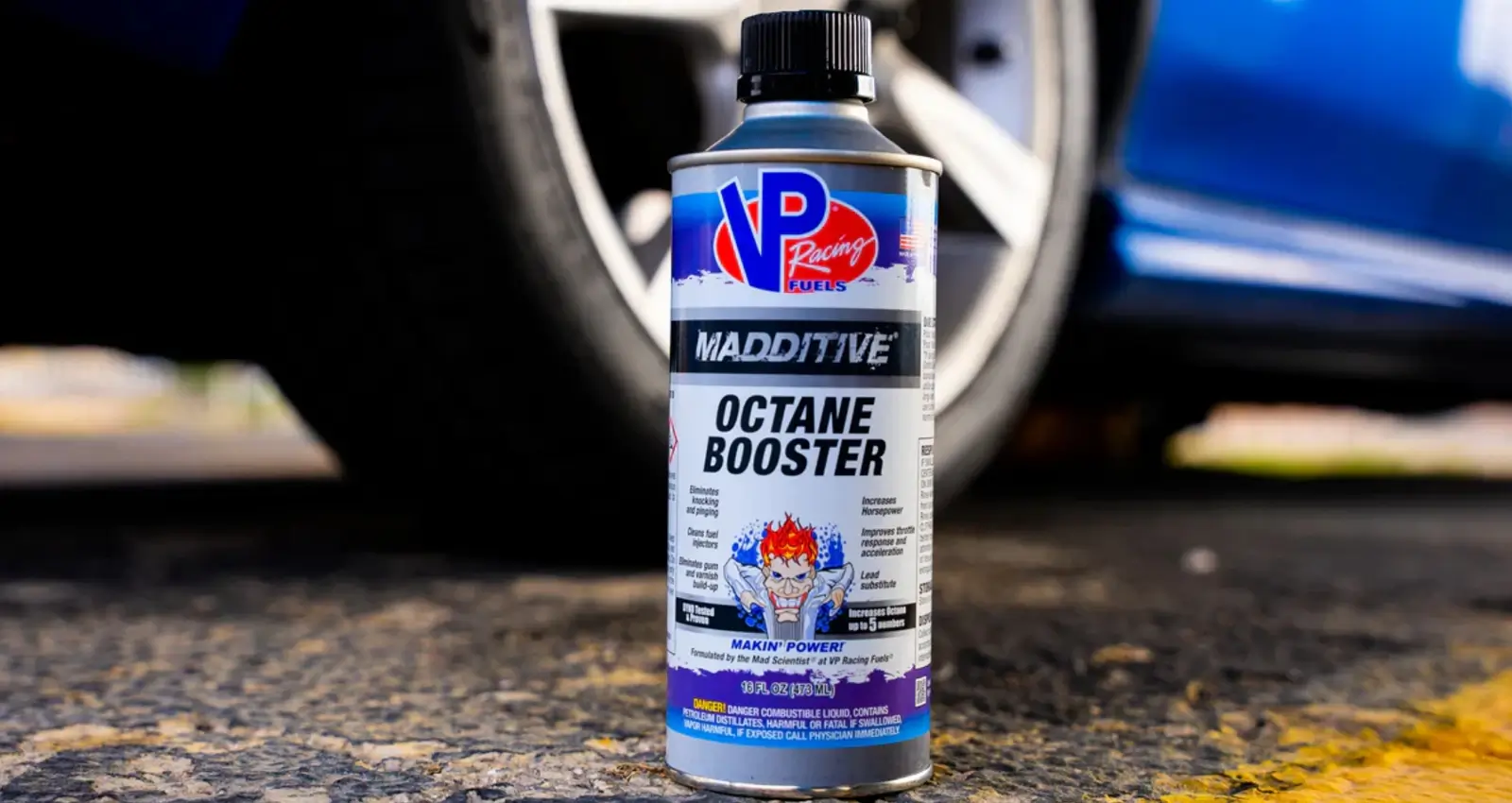
In the world of automotive performance, octane boosters often emerge as a topic of discussion among enthusiasts and everyday drivers alike. These additives promise to enhance engine performance by increasing the fuel’s octane rating, which can be particularly appealing for vehicles designed for higher-octane fuels. However, the real-world application of these products reveals a more nuanced reality.
Many vehicles, especially those with turbocharged engines or high compression ratios, can benefit from higher octane fuel. The primary function of increased octane is to prevent engine knocking, which can occur under heavy load or high temperatures. In my experience, I have seen engines that are designed for premium fuel run smoother and produce more power when properly fed. But the effectiveness of octane boosters often hinges on the specific formulation and the conditions under which they are used.
Common Scenarios for Use
Octane boosters are frequently used in situations where higher octane fuel is not readily available. For instance, during long road trips across regions with limited fuel options, drivers may reach for these products to maintain engine performance. In some cases, they can provide a temporary solution to prevent knocking when the vehicle is under heavy acceleration or towing. However, it is crucial to note that while these boosters can elevate the octane rating, they are not a substitute for quality fuel. The effectiveness often diminishes when the vehicle is subjected to extreme conditions, such as prolonged high RPMs or excessive heat.
From my observations, one common misconception is that using octane boosters in a vehicle that does not require high-octane fuel will yield significant performance gains. In reality, many modern engines are equipped with knock sensors and can adjust timing to mitigate knocking, making the additional octane unnecessary. In some cases, using these boosters in lower-compression engines can lead to a waste of money and may introduce unnecessary chemicals into the fuel system.
Potential Drawbacks
Another consideration is the potential for negative side effects. While most reputable octane boosters are safe for use, some formulations can leave residues that may accumulate over time, particularly in the combustion chamber and on spark plugs. I’ve encountered instances where excessive use led to fouled spark plugs, requiring cleaning or replacement. Additionally, certain brands may not be compatible with all fuel systems, particularly those with sensitive components. It’s wise to check compatibility before adding any additive.
Moreover, as vehicles become more technologically advanced, the benefits of octane boosters can sometimes be overshadowed by integrated engine management systems. These systems are designed to optimize performance and efficiency based on the fuel being used. If a vehicle is already running on the appropriate fuel grade, introducing an octane booster might not yield any noticeable improvements. In fact, it could potentially alter the fuel mixture in a way that doesn’t align with the manufacturer’s specifications.
Ultimately, while octane boosters can serve a purpose in specific scenarios, they are not a catch-all solution for enhancing engine performance. The key is understanding the vehicle’s requirements and the context in which these products are used. Observing how a vehicle responds to different fuels and additives over time will provide valuable insights into their real-world efficacy.