Radiators play a critical role in the cooling systems of vehicles, managing the engine temperature under a range of operating conditions. Over the years, I have observed a variety of issues related to radiator performance and failures, often leading to the need for replacement. Understanding these common problems can provide valuable insight into the maintenance and longevity of a vehicle’s cooling system.
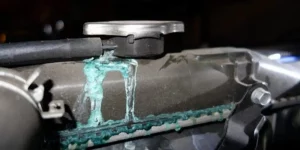
One of the most prevalent issues I have encountered is the gradual buildup of corrosion. Radiators, typically made of aluminum or copper, are vulnerable to corrosion due to the electrochemical reactions that occur within the cooling system. This is particularly true in environments where road salt is prevalent or when coolant maintenance is overlooked. Corrosion can lead to pinhole leaks, which, at first, may seem minor but can quickly escalate into more significant issues if not addressed promptly. I have seen cases where a small leak, ignored for too long, leads to engine overheating and subsequent engine damage.
Another common problem is the failure of the radiator cap. Often seen as a minor component, the radiator cap maintains the pressure in the cooling system. If the cap fails, it can lead to coolant boiling over and a loss of pressure, which can cause the engine to overheat. In some instances, I have found that replacing a worn-out cap resolves overheating issues without the need for more extensive repairs. It serves as a reminder of how crucial seemingly insignificant components can be to the overall functionality of a vehicle.
Symptoms of Radiator Issues
When dealing with radiator problems, several symptoms can indicate underlying issues. One of the most noticeable is the presence of coolant leaks. A puddle of coolant under the vehicle usually points to a leak in the radiator or associated hoses. However, not all leaks are visible. Sometimes, coolant can seep into the engine oil, leading to a milky appearance on the dipstick. This is a more serious issue, indicating that the integrity of the radiator or engine block may have been compromised.
Overheating is another clear sign of radiator issues. During my time working on various vehicles, I have seen engines overheat due to blocked or damaged radiators. This can happen when debris accumulates within the radiator fins, obstructing airflow. In extreme cases, I have witnessed radiators that have become so clogged that they require flushing or replacement entirely. It’s essential to monitor engine temperature gauges closely, as prolonged overheating can lead to catastrophic engine failure.
Replacement Considerations
When it comes to replacing a radiator, several factors come into play. First, the type of vehicle matters. Passenger cars typically have different cooling requirements than commercial vehicles or heavy-duty trucks. For instance, larger vehicles may require radiators with greater cooling capacity to manage the heat generated by heavier loads. In my experience, ensuring that the replacement radiator meets or exceeds the OEM specifications is crucial for maintaining optimal performance.
Another critical consideration is the choice between aftermarket and OEM parts. Aftermarket radiators can be appealing due to their lower cost, but they may not always provide the same reliability or longevity as original equipment manufacturer (OEM) parts. In my work, I have often found that while aftermarket components can be suitable for many applications, they may lack the durability necessary for high-stress environments. This is particularly important in commercial vehicles, which often operate under heavier loads and higher temperatures.
Installation practices also significantly impact the success of a radiator replacement. Proper sealing of all connections is vital, as leaks can develop if hoses are not installed correctly or if clamps are not tightened adequately. I have seen instances where a simple oversight during installation led to coolant leaks shortly after replacement, requiring the job to be redone. It’s essential to ensure that all components, including the thermostat and associated hoses, are inspected and replaced if necessary during the radiator replacement process.
Long-Term Maintenance
Once a radiator has been replaced, regular maintenance becomes essential to prevent future issues. Flushing the cooling system at recommended intervals can help remove debris and prevent corrosion. I have noticed that many vehicle owners overlook this maintenance step, leading to premature radiator failure. Additionally, using the correct coolant type is crucial. Some coolants contain additives that help protect against corrosion, while others may not be suitable for certain radiator materials.
Monitoring the condition of the coolant itself is equally important. Coolant should be a bright color, typically green or orange, depending on the formulation. If the coolant appears rusty or contaminated, it’s a sign that the system may require immediate attention. I have found that many coolant-related issues stem from neglecting these basic checks, which can lead to more severe problems down the line.
Environmental Considerations
Environmental factors can also play a significant role in radiator performance. Vehicles operating in extreme conditions, such as those frequently driven in hot climates or in stop-and-go traffic, may experience increased wear on their cooling systems. I have observed that in areas with high temperatures, radiators can work harder, leading to a greater likelihood of overheating and failure. Similarly, vehicles exposed to road debris or harsh winter conditions may face higher risks of damage to the radiator and associated components.
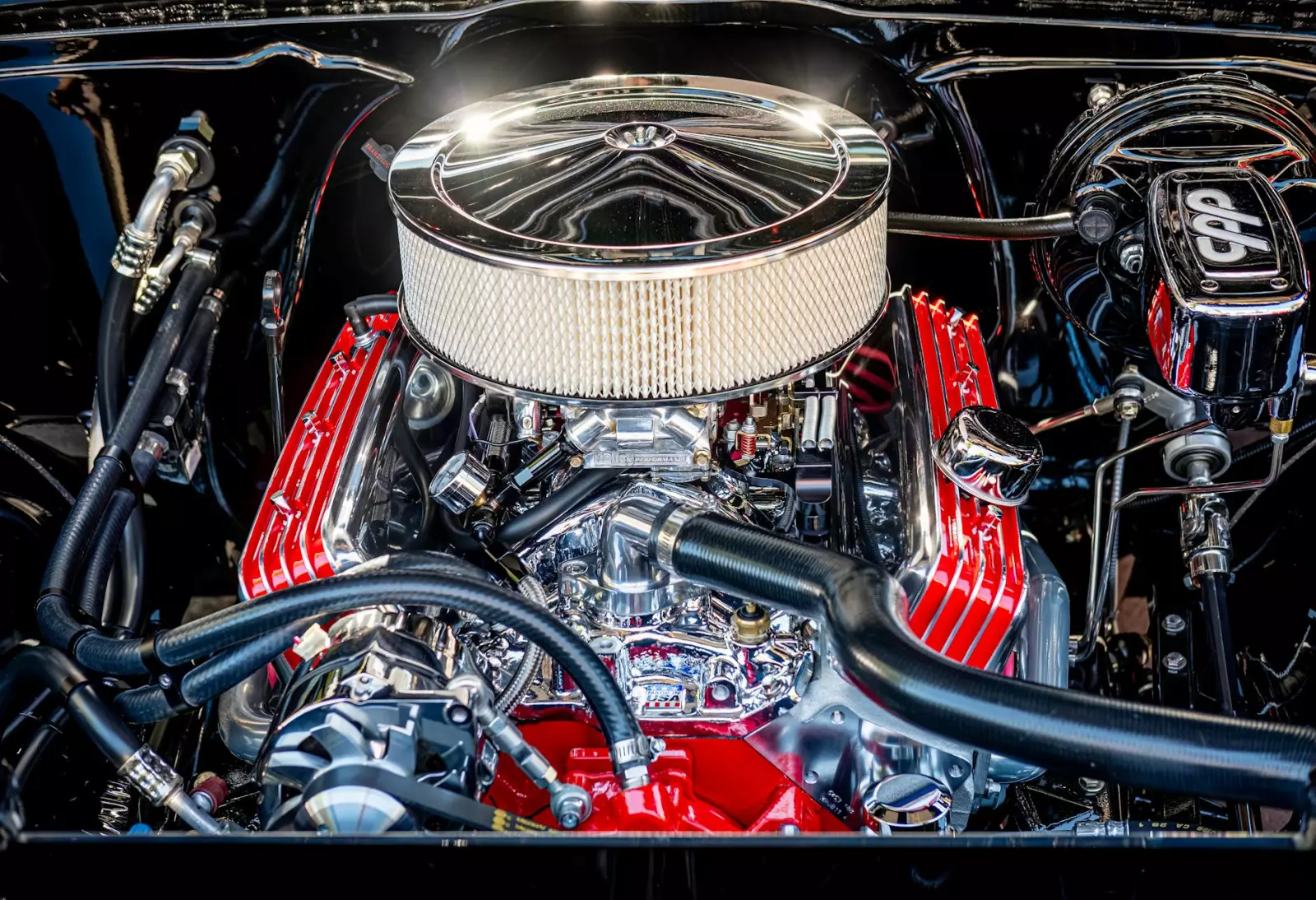
In some cases, vehicle modifications can inadvertently affect radiator performance. For instance, aftermarket performance parts that increase engine output may also raise operating temperatures, demanding more from the cooling system. I have seen instances where enthusiasts upgrade their engines without considering the implications for the radiator, leading to overheating and potential engine damage.
The interplay between radiator performance and overall vehicle health is complex. A failing radiator can lead to a cascade of issues, impacting engine performance and longevity. Observing the signs early, addressing them promptly, and understanding the broader implications of radiator health can significantly influence the reliability of a vehicle. In my experience, proactive maintenance and attention to detail can prevent many radiator-related failures, ensuring that vehicles operate smoothly under a variety of conditions.