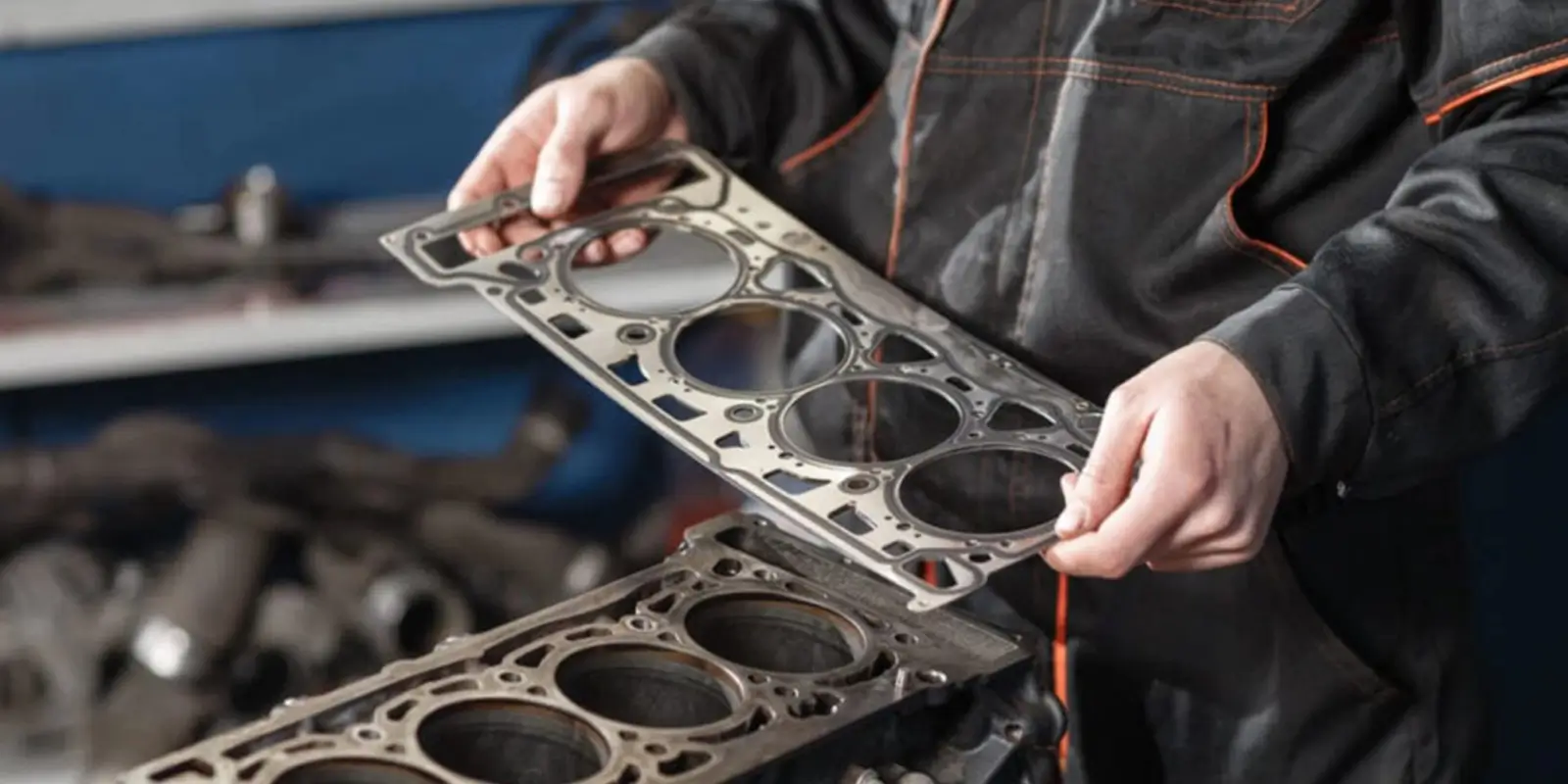
Head gaskets are critical components in an engine’s design, serving as the seal between the engine block and the cylinder head. They must withstand extreme conditions, including high temperatures and pressures, while maintaining a tight seal to prevent coolant and oil from mixing and to keep combustion gases contained. Over time, however, head gaskets can fail due to age, overheating, or manufacturing defects. When this happens, the consequences can be severe, leading to engine overheating, loss of power, or even catastrophic engine failure.
In my experience, the first signs of a head gasket failure often manifest as coolant loss, white smoke from the exhaust, or a milky substance on the oil dipstick. These symptoms indicate that coolant is entering the combustion chamber or that oil and coolant are mixing. In many cases, owners are faced with a decision: repair the gasket properly or consider using a head gasket sealant as a temporary fix.
Head gasket sealants have gained popularity in recent years, particularly among DIY enthusiasts and those looking to avoid the expense of a full gasket replacement. These sealants are designed to fill small gaps and cracks in the head gasket, allowing the engine to function without immediate repair. However, their effectiveness can vary widely depending on several factors, including the severity of the leak, the type of sealant used, and the specific engine conditions.
The Mechanism Behind Sealants
Most head gasket sealants work by utilizing a combination of chemical compounds and particulates that can bond to the metal surfaces of the engine. When introduced into the cooling system, these sealants circulate with the coolant and are drawn into the leak. Upon encountering heat, the sealant expands and hardens, effectively sealing the gap. While this can provide a temporary solution, it’s essential to recognize that sealants are not a substitute for a proper repair.
Real-world observations reveal that sealants often perform better in specific conditions. For example, they may be more effective in high-mileage vehicles where the engine has already experienced some wear, as the sealant can fill minor imperfections that have developed over time. Conversely, in a newer engine that has failed due to a manufacturing defect, a sealant may not provide a sufficient seal and could lead to further complications.
Common Scenarios and Their Implications
In my experience, I have seen a range of scenarios where head gasket sealants were used. One instance involved an older pickup truck that was showing signs of coolant loss but had no visible leaks. The owner opted for a sealant application, and after a few days, the symptoms subsided. However, a few months later, the truck began to overheat again, and the owner was left with the realization that the underlying problem had not been addressed.
Another common scenario involves vehicles that frequently tow heavy loads. These engines are subjected to increased stress and heat, which can exacerbate gasket failure. In such cases, the use of a sealant may temporarily alleviate symptoms, but the added strain on the engine can lead to a quicker deterioration of the sealant’s effectiveness. This highlights the importance of understanding the vehicle’s operational environment when considering a sealant.
Why Some Sealants Fail
While many sealants can provide a temporary fix, they are not without their limitations. One key issue is that they may not adhere properly if the surfaces are contaminated with oil, coolant, or debris. A thorough cleaning of the affected area is crucial before applying any sealant. Additionally, high-performance engines that operate at elevated temperatures may find that some sealants break down more quickly, leading to premature failure.
I’ve also observed that the choice of sealant is critical. Some products are designed specifically for certain types of engines or conditions, while others are more generic. Using the wrong type of sealant can lead to ineffective sealing or even damage to engine components.
The Risks of Relying on Sealants
There is an inherent risk in relying on head gasket sealants as a long-term solution. While they may provide immediate relief, they can mask underlying issues that could lead to more significant problems down the line. For example, a vehicle that has had a sealant applied may continue to run, but the root cause of the head gasket failure – such as overheating or a warped cylinder head – remains unaddressed.
In some cases, the use of sealants can lead to complications during future repairs. If the sealant hardens within the engine, it can create blockages in the cooling system or interfere with the proper sealing of a new head gasket when the time comes for a full repair.
When to Seek Professional Help
It’s essential to recognize when a sealant is not sufficient. If the symptoms of head gasket failure are severe – such as significant coolant loss, constant overheating, or oil contamination – it’s advisable to consult a professional mechanic. A thorough diagnosis can reveal whether the gasket is indeed the problem or if other issues, such as a faulty thermostat or water pump, are at play.
In some cases, the decision to use a sealant may be influenced by the vehicle’s value or the owner’s plans for the vehicle’s future. For instance, if a vehicle is nearing the end of its life cycle, a sealant may be a reasonable short-term fix to keep it operational without investing in extensive repairs.
Head gasket sealants can serve as a temporary solution in specific circumstances, but they should not be viewed as a permanent fix. Their effectiveness varies based on the condition of the engine, the quality of the sealant, and the operational environment. As an automotive expert with years of hands-on experience, I emphasize the importance of understanding the limitations and risks associated with sealants. While they can provide relief in urgent situations, a thorough diagnosis and proper repair should always be the ultimate goal to ensure the long-term health of the engine.