Coolant, often overlooked until a problem arises, plays a critical role in maintaining engine temperatures and overall vehicle performance. In my years of working with various passenger cars, pickup trucks, and commercial vehicles, I've encountered numerous situations where coolant issues led to significant engine problems. Understanding the importance of regular coolant checks and changes can save both time and money.
The coolant system is designed to regulate engine temperature, preventing overheating during operation. It circulates through the engine block, absorbing heat, and then flows to the radiator, where it dissipates that heat into the air. This process is vital, especially during heavy loads or in extreme weather conditions. However, several factors can lead to coolant degradation or leaks, which can compromise the entire cooling system.
One common issue I've observed is the buildup of contaminants in the coolant over time. This can include rust, scale, and other debris, often resulting from the breakdown of internal components like the water pump or radiator. When these materials accumulate, they can obstruct the flow of coolant, leading to localized overheating. Regularly checking the coolant for clarity and color can provide early indicators of such problems. Fresh coolant typically has a vibrant color, while contaminated coolant may appear murky or rusty.
Another frequent concern is the integrity of the hoses and connections. Coolant hoses are subjected to continuous heat and pressure cycling, which can lead to wear and tear. I've seen many cases where a simple hose failure resulted in substantial coolant loss and subsequent engine overheating. A thorough inspection of hoses for cracks, bulges, or leaks is essential, particularly in older vehicles where rubber components may have deteriorated.
Temperature fluctuations can also impact the coolant's effectiveness. In colder climates, coolant can freeze if not mixed properly with antifreeze, leading to a potential rupture of engine components. Conversely, in hotter climates, the coolant can boil if the system is not functioning correctly. Monitoring the coolant system's pressure and ensuring the radiator cap is functioning properly can mitigate these risks. A malfunctioning cap can lead to pressure loss, causing coolant to boil at a lower temperature and potentially leading to engine damage.
When it comes to changing coolant, the timing can vary based on the vehicle and the type of coolant used. General guidelines suggest replacing coolant every two to five years, but this can differ significantly depending on driving conditions and the specific formulation of the coolant. Some modern vehicles use extended-life coolants that can last longer, but I've often found that performing a flush and refill every few years, regardless of the type, can help maintain the system's health.
Performing a coolant change involves not just draining the old fluid but also flushing the system to remove any contaminants. This is particularly important when switching between different types of coolant, as mixing formulations can lead to chemical reactions that create sludge. I've encountered numerous vehicles where improper coolant changes led to severe cooling system failures due to sludge buildup.
Monitoring coolant levels is also critical. A drop in coolant level can indicate a leak somewhere in the system. Common areas to check include the radiator, water pump, and engine gaskets. In my experience, a small leak can easily escalate into a larger problem if not addressed promptly. Regularly checking the overflow reservoir can help catch these issues early. If the coolant level consistently drops, it’s essential to conduct a pressure test to identify leaks.
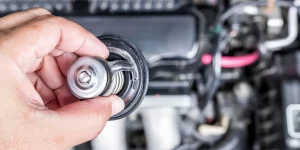
In addition to mechanical checks, it's important to pay attention to the temperature gauge on the dashboard. If the needle consistently runs higher than normal, it may indicate that the coolant is not circulating effectively or that there is an issue with the thermostat. A failed thermostat can prevent coolant from flowing between the engine and the radiator, leading to overheating. Replacing a thermostat is a straightforward task but can prevent much more severe engine damage if caught early.
In summary, maintaining the coolant system requires a proactive approach. Regular inspections, timely changes, and attention to the vehicle's temperature gauge can prevent many common issues associated with coolant degradation and leakage. Through my hands-on experience, I've seen the consequences of neglecting coolant maintenance, and it often leads to costly repairs. Keeping a close eye on this vital fluid can help ensure the longevity and reliability of your vehicle's engine.