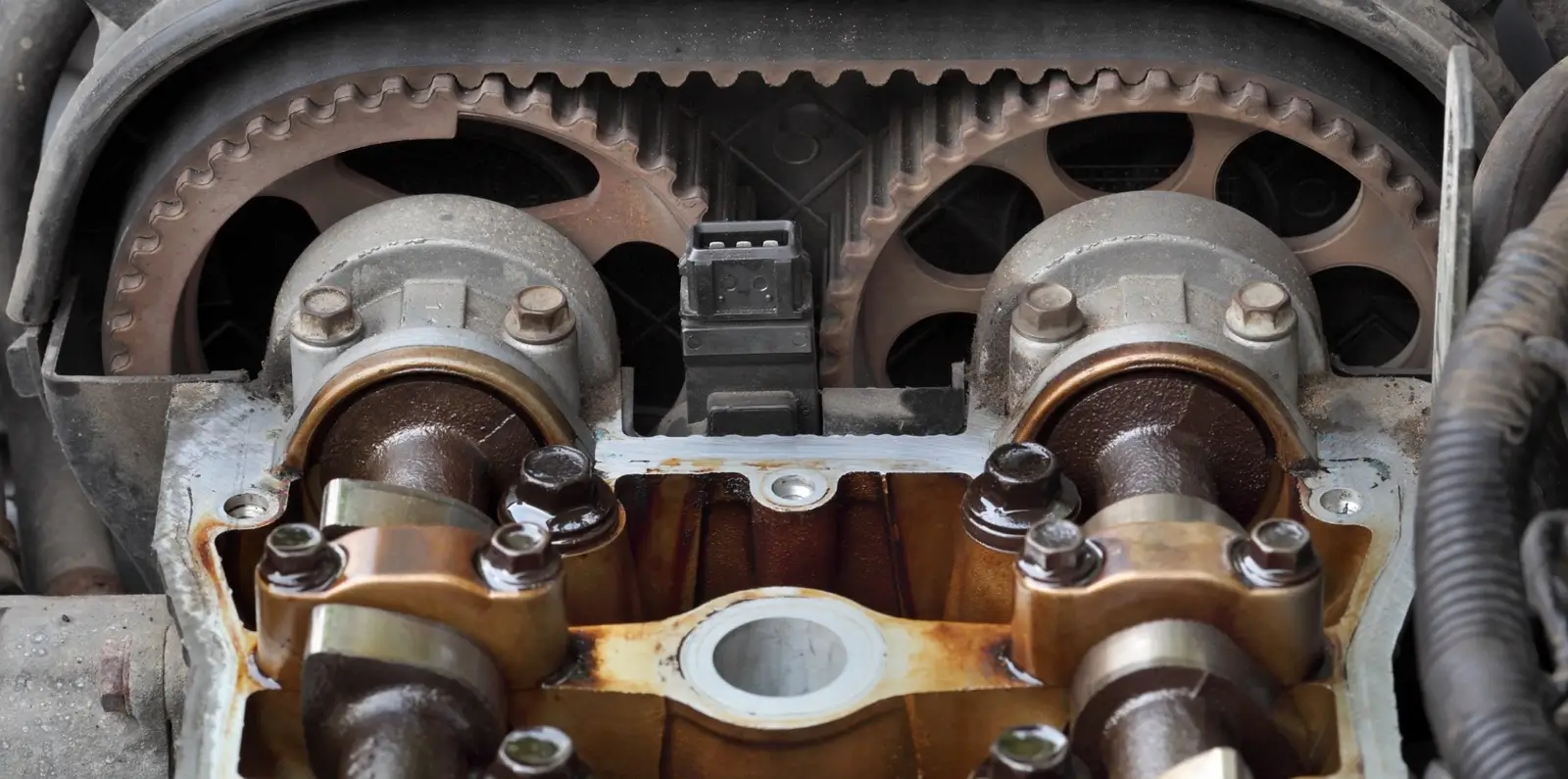
The camshaft serves a crucial role in the operation of an internal combustion engine, regulating the timing of the intake and exhaust valves. Over the years, I have observed that issues with the camshaft can lead to a range of performance problems, often becoming apparent under specific conditions. The replacement of a camshaft is not only a significant mechanical task but also one that can unveil underlying issues within the engine.
One of the most common scenarios I’ve encountered involves a gradual loss of power. Drivers may notice that their vehicle is less responsive, particularly during acceleration. This symptom can often be attributed to camshaft wear or damage. The camshaft’s lobes can wear down over time due to friction and heat, leading to improper valve timing. In scenarios where the engine operates under high load – such as towing or climbing steep grades – this issue can become pronounced. The engine may struggle, and performance can degrade noticeably, making it clear that attention is needed.
When dealing with camshaft-related problems, it’s essential to consider the conditions under which these issues typically arise. High temperatures, for instance, can exacerbate wear. Engines that frequently operate in hot climates or under heavy loads may experience accelerated camshaft degradation. Additionally, inadequate lubrication can contribute to premature wear. Oil changes that are neglected or infrequent can lead to oil breakdown, which affects the camshaft’s ability to function properly.
Another observation I’ve made is that the symptoms of camshaft issues can sometimes be mistaken for other problems. For example, a rough idle can be attributed to a faulty camshaft, but it might also stem from fuel delivery issues or ignition problems. Therefore, it’s crucial to conduct a thorough diagnosis when these symptoms arise. A mechanic’s experience becomes invaluable in differentiating between these potential causes and determining the best course of action.
The decision to replace a camshaft often hinges on the extent of the damage. If wear is minimal and the engine has good compression, a mechanic might suggest a simple adjustment or a replacement of the timing belt or chain, which can sometimes alleviate the symptoms. However, in cases of significant wear or damage – such as pitting on the lobes or a bent shaft – the replacement of the camshaft becomes necessary.
In my experience, the replacement process itself can be quite involved. Accessing the camshaft typically requires the removal of several components, including the timing cover, valve covers, and sometimes even the intake manifold. Each of these components must be carefully reinstalled to ensure that the engine operates smoothly post-replacement. The labor involved can be substantial, and I’ve seen repair bills that reflect this complexity, often ranging from several hundred to over a thousand dollars, depending on the vehicle and the extent of the work required.
It’s also worth noting that when replacing a camshaft, it’s prudent to inspect related components. Timing chains or belts, lifters, and rocker arms should be evaluated for wear and replaced if necessary. These parts work in concert with the camshaft, and failures in these areas can lead to further complications and additional repair costs down the road. A proactive approach to maintenance can save vehicle owners from larger issues in the future.
Another factor to consider is the type of camshaft being installed. Aftermarket options often exist alongside OEM parts. While aftermarket camshafts can offer performance benefits, they may also introduce compatibility issues, especially in vehicles with modified engines. I’ve seen instances where an aftermarket camshaft, while seemingly advantageous, led to valve clearance issues or incorrect timing, resulting in poor performance or even engine damage.
The choice between a standard replacement camshaft and a performance variant can also impact engine longevity. Performance camshafts typically operate at higher tolerances and may require more precise adjustments, which can be demanding for an engine that wasn’t originally designed for such specifications. Therefore, understanding the intended use of the vehicle is essential when making this decision.
As with any mechanical system, the effects of time and environment should not be underestimated. Vehicles that are regularly subjected to extreme conditions – whether through heavy loads, high speeds, or hot climates – tend to experience camshaft wear earlier than those operated under more moderate conditions. Regular inspections can help identify early signs of wear, such as unusual noises or changes in engine performance, allowing for timely intervention.
In addition to physical wear, I’ve noticed that the quality of engine oil plays a vital role in camshaft health. Oils with higher viscosity ratings can provide better lubrication under high temperatures, which is crucial for the camshaft’s operation. The use of synthetic oils can also enhance performance and longevity, as they tend to resist breakdown better than conventional oils. However, in vehicles where oil change intervals are extended beyond manufacturer recommendations, even the best oil can fail to protect the camshaft adequately.
Regular maintenance extends beyond oil changes. Keeping an eye on engine temperatures, coolant levels, and overall engine health can prevent many issues related to the camshaft. Overheating can warp components and lead to catastrophic failures, which is why a functioning cooling system is critical. The interplay between the cooling system and the engine’s performance underscores the complexity of maintaining a vehicle’s mechanical systems.
In summary, the camshaft is an integral component of the engine, and its health is paramount to overall vehicle performance. Issues with the camshaft can manifest in various ways, often becoming more pronounced under specific driving conditions. The decision to replace a camshaft should be made with careful consideration of the symptoms, the extent of the damage, and the associated costs.
Through years of working on vehicles, I have learned that a comprehensive understanding of the entire engine system is crucial. By recognizing the signs of camshaft wear and addressing them promptly, vehicle owners can avoid more extensive repairs and enjoy a smoother, more reliable driving experience. The nuances of camshaft replacement highlight the importance of attention to detail and proactive maintenance in the automotive world.