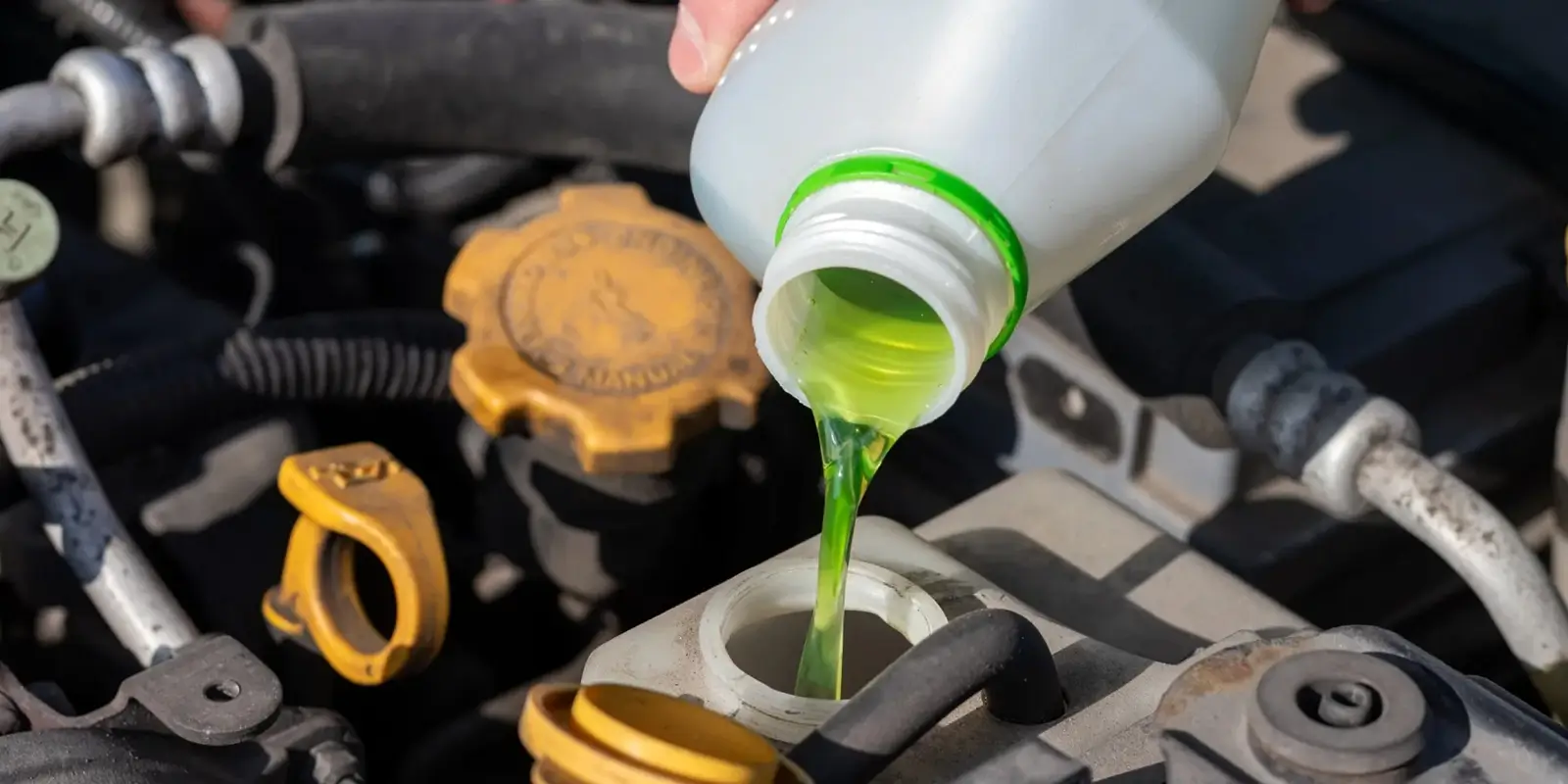
Antifreeze plays a critical role in the thermal management of automotive systems, particularly in passenger cars and commercial vehicles. The choice of antifreeze, or coolant, can significantly impact engine performance and longevity. Over the years, I have encountered various scenarios that highlight the importance of selecting the right antifreeze for specific vehicle applications.
In the automotive world, antifreeze is not merely a fluid that prevents freezing. It also serves to raise the boiling point of the coolant, protect against corrosion, and lubricate critical components. When considering antifreeze, the key factors often include its chemical composition, compatibility with various engine materials, and performance under extreme conditions. The most common types of antifreeze include ethylene glycol and propylene glycol, each with its own set of properties and applications.
Types of Antifreeze and Their Properties
Ethylene glycol-based antifreeze is widely used in most vehicles due to its effective heat transfer properties and lower cost. It is essential to note, however, that it can be toxic, which is a considerable factor for those with pets or children. Propylene glycol, on the other hand, is a safer alternative that is less toxic and often used in applications where safety is paramount, such as in food service vehicles.
Another important distinction lies in the formulation of antifreeze. Conventional antifreeze often contains silicates, while modern formulations, known as Organic Acid Technology (OAT) coolants, do not. OAT coolants offer longer service intervals, typically lasting up to five years or 150,000 miles, compared to conventional coolants that may need changing every two years or 30,000 miles. The choice between these formulations can depend on the manufacturer’s specifications and the expected operating conditions.
Real-World Observations on Antifreeze Performance
Over the years, I have seen firsthand how different antifreeze types perform under various conditions. For instance, in high-performance vehicles subjected to extreme heat and load, the choice of coolant can become critical. I recall a scenario involving a pickup truck used for towing heavy loads. The owner opted for a conventional antifreeze, which resulted in overheating problems during long hauls. The boiling point of the coolant was insufficient for the sustained engine temperatures, leading to vapor lock and subsequent engine performance issues.
Conversely, I have observed that vehicles equipped with OAT coolants often exhibit improved corrosion resistance, especially in environments with higher humidity or where road de-icing agents are prevalent. The absence of silicates in OAT formulations helps prevent sludge buildup in the cooling system, which is a common issue that can lead to radiator blockages and overheating. In one case, a fleet of delivery vans using OAT coolant showed significantly less downtime due to cooling system failures compared to those using conventional antifreeze.
Compatibility and Mixing Issues
Compatibility is another critical factor that cannot be overlooked. Mixing different types of antifreeze can lead to chemical reactions that create sludge or reduce the effectiveness of the coolant. I once encountered a situation where a vehicle owner mixed an OAT coolant with a traditional silicate-based coolant, leading to a thick, gelatinous substance that clogged the radiator and water pump. This not only resulted in significant repair costs but also highlighted the importance of adhering to the manufacturer’s recommendations regarding coolant types.
Temperature extremes also play a role in antifreeze performance. For example, in colder climates, using a coolant with a lower freezing point is essential. However, it’s equally important to consider the boiling point, especially in high-load scenarios. In one instance, a vehicle operating in a hot climate with a standard ethylene glycol coolant began to experience overheating, primarily due to the coolant boiling off under pressure. This situation could have been avoided with a formulation designed for higher performance under heat stress.
Environmental Considerations
Environmental factors also come into play when selecting antifreeze. With increasing regulations and a push for eco-friendly products, many manufacturers are now producing biodegradable coolants. These alternatives, while generally more expensive, can be advantageous for fleet operators concerned about environmental impact. I’ve seen a growing trend in municipalities adopting these types of coolants for their vehicles, which not only comply with regulations but also reduce the risk of contaminating water sources.
Long-Term Effects of Antifreeze Choices
Choosing the right antifreeze is not just about immediate performance. The long-term effects on the engine and cooling system can be significant. Over time, inadequate cooling can lead to premature wear on engine components, including the water pump and head gasket. I have worked on vehicles where the wrong antifreeze choice led to corrosion of the aluminum components in the cooling system, resulting in costly repairs. Regular maintenance and periodic checks of the coolant condition can mitigate these risks, but the initial selection remains crucial.
Additionally, the service interval of antifreeze cannot be ignored. While some coolants are marketed as “lifetime” products, real-world conditions often dictate a need for more frequent changes. Vehicles subjected to heavy loads, extreme temperatures, or frequent short trips may require more regular coolant replacement to ensure optimal performance. I’ve seen many cases where neglecting to change the coolant as recommended led to sludge buildup and cooling system failures.
Conclusion: Practical Observations
In my experience, the choice of antifreeze is a nuanced decision that requires careful consideration of various factors, including vehicle type, operating conditions, and manufacturer specifications. It is not merely a matter of cost but rather a critical aspect of maintaining vehicle performance and longevity. As vehicles continue to evolve, so too does the technology behind antifreeze formulations, making it essential for automotive professionals and enthusiasts to stay informed about the latest developments. Ultimately, understanding the specific requirements and potential pitfalls associated with antifreeze selection can lead to better outcomes in vehicle maintenance and operation.