In the realm of automotive maintenance, antifreeze and coolant management often becomes a focal point for technicians and enthusiasts alike. Over the years, I’ve encountered a range of issues related to these vital fluids, each presenting unique challenges and opportunities for learning. The importance of proper coolant management cannot be overstated, as it plays a critical role in engine performance, longevity, and overall vehicle reliability.
Antifreeze, or engine coolant, is typically composed of a mixture of water and chemical additives designed to regulate temperature, inhibit corrosion, and prevent freezing. The common types include ethylene glycol and propylene glycol, each with distinct properties and applications. Ethylene glycol is more prevalent due to its superior heat transfer capabilities, but propylene glycol is often favored for its lower toxicity, particularly in vehicles that may be around pets or livestock.
One of the most frequent problems I encounter involves coolant leaks. These can stem from a variety of sources, such as deteriorating hoses, faulty water pumps, or even cracked engine blocks. In many cases, the initial signs of a leak are subtle – such as a slight decrease in coolant level or a faint odor of coolant. However, left unchecked, these small issues can escalate into major engine problems, including overheating or even catastrophic engine failure. The time of year can also influence the severity of these leaks, as temperature fluctuations can exacerbate existing weaknesses in hoses or seals.
Symptoms of Coolant System Issues
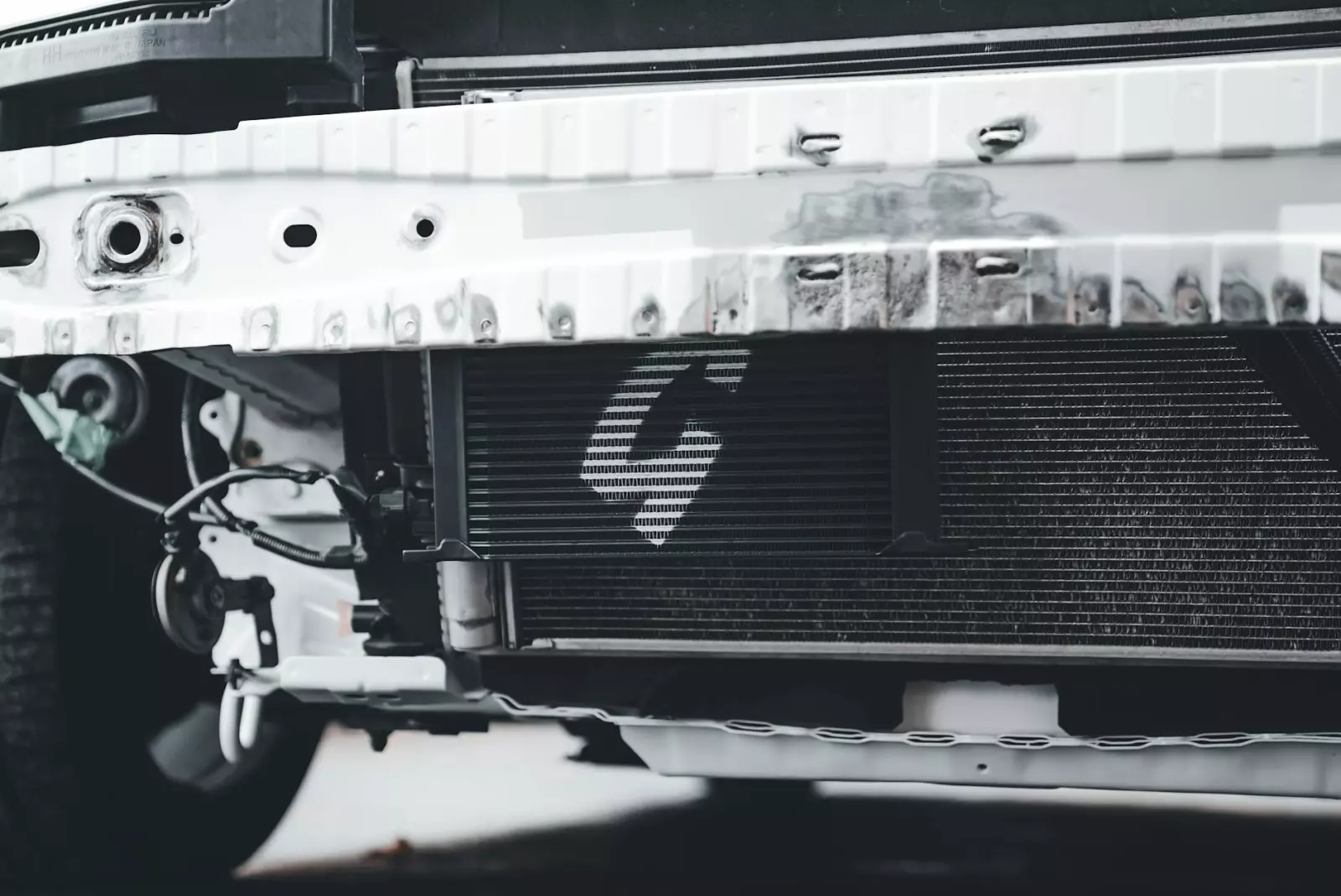
When diagnosing coolant system issues, several symptoms can provide clues as to what might be going wrong. For instance, if a vehicle is consistently running hotter than normal, it may indicate a coolant flow problem, which could be due to a clogged radiator or a failing thermostat. In contrast, an engine that is running cooler than expected may not be circulating coolant effectively, possibly due to a malfunctioning water pump.
Another common symptom is the presence of coolant in the engine oil, which can often be identified by a milky appearance on the dipstick. This condition typically suggests a breach between the coolant and oil systems, often resulting from a blown head gasket or a cracked engine block. This scenario is particularly concerning, as it can lead to severe engine damage if not addressed promptly.
Furthermore, air trapped in the cooling system can lead to erratic temperature readings on the gauge. This often occurs after a coolant flush or when coolant levels have been low for an extended period. Bleeding the system to remove trapped air can resolve this issue, but it’s essential to ensure that the coolant is at the correct level afterward to avoid further complications.
Coolant Types and Their Applications
The type of coolant used in a vehicle can significantly impact its performance and longevity. There are generally two categories of coolant: traditional green coolant and extended-life coolant, which is often orange or red. Traditional coolants typically contain silicates and phosphates, which can provide effective corrosion protection but may require more frequent changes. Extended-life coolants, on the other hand, utilize organic acid technology (OAT) and can last much longer between changes, sometimes extending to five years or more under normal conditions.
It’s critical to be aware of the specific requirements for each vehicle. Manufacturers often recommend specific coolant types for a reason, primarily related to the materials used in the engine and cooling system. For instance, using a coolant that is not compatible with the engine’s materials can lead to chemical reactions that cause damage over time. This incompatibility can manifest as corrosion or even physical breakdown of components, leading to leaks and failures.
Real-World Observations on Coolant Maintenance
In my experience, proper maintenance of the coolant system is often overlooked. Regularly checking fluid levels and inspecting hoses and connections can prevent many common issues. However, the environment in which a vehicle operates plays a significant role in how often these checks need to occur. For instance, vehicles used in harsh climates or for heavy-duty applications, such as towing or off-roading, may experience coolant degradation more quickly due to increased heat and stress.
Another frequent oversight is neglecting to flush the cooling system. Over time, contaminants can build up in the coolant, leading to reduced efficiency and potential blockages. Flushing the system at recommended intervals helps maintain optimal performance and prevent issues related to overheating or corrosion. However, it’s important to follow the manufacturer’s specifications regarding flush intervals and coolant replacement, as these can vary widely.
Second-Order Effects of Neglecting Coolant Systems
Neglecting to maintain the cooling system does not only lead to immediate symptoms but can also have cascading effects on other vehicle systems. For example, an overheating engine may cause premature wear on the engine oil, leading to increased friction and wear on internal components. This, in turn, can lead to more frequent oil changes and potentially more severe engine issues down the line.
Additionally, a failing cooling system can impact the performance of the vehicle’s transmission. Many modern vehicles integrate coolant passages within the transmission cooler to help regulate temperature. If the engine is overheating, it can cause the transmission fluid to overheat as well, leading to slipping or harsh shifting. This connection demonstrates how interdependent vehicle systems can be, and why attention to one area can prevent problems in another.
Conclusion
Through years of hands-on experience, it is evident that antifreeze and coolant management is a critical aspect of vehicle maintenance that requires attention to detail and a proactive approach. Recognizing the early signs of coolant-related issues can save time, money, and extensive repairs. The interplay between coolant type, environmental factors, and the overall health of the vehicle is complex but essential for ensuring reliable performance. Keeping a vigilant eye on the cooling system can prevent minor issues from escalating into major repairs, ultimately contributing to the longevity and efficiency of the vehicle.