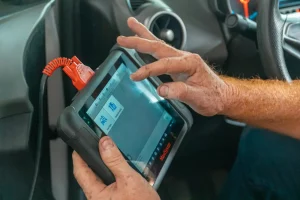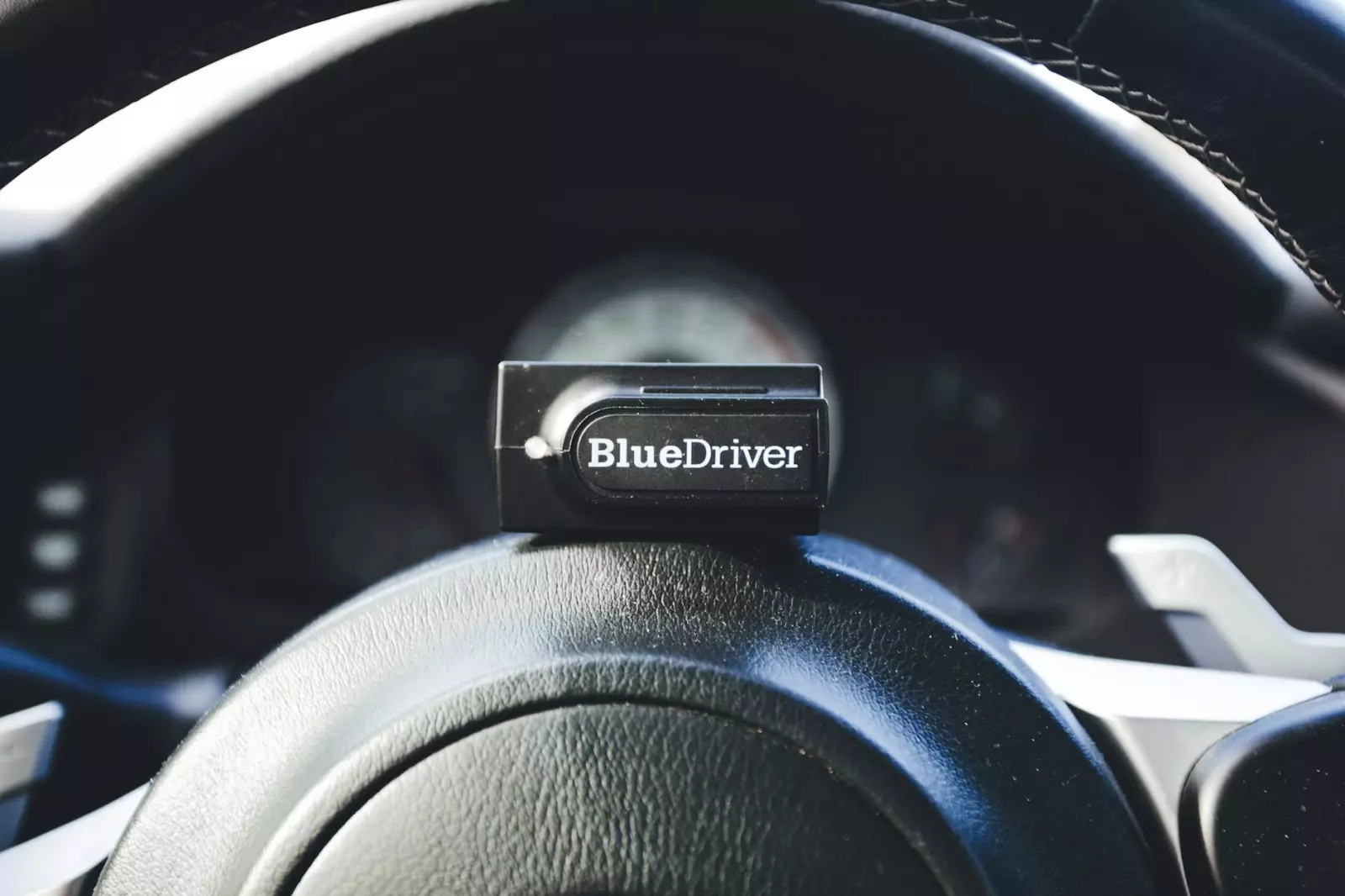
In the realm of automotive diagnostics, OBD2 Bluetooth scanners have become a common tool for both professionals and enthusiasts. These devices allow for quick access to a vehicle’s onboard diagnostics, making it easier to read trouble codes and monitor system performance. However, my experience with these scanners reveals a blend of convenience and complexity that can affect their effectiveness in real-world situations.
One of the most notable advantages of OBD2 Bluetooth scanners is their portability. Unlike traditional diagnostic tools, which can be bulky and require a wired connection, Bluetooth scanners can connect wirelessly to a smartphone or tablet. This feature makes it simpler to perform diagnostics in tight spaces or on the go. I’ve often found myself using these scanners in various vehicles, from passenger cars to commercial trucks, and the ease of use is consistently appreciated.
Common Issues and Limitations
Despite their benefits, there are some limitations to consider. One issue that often arises is compatibility. Not all scanners work seamlessly with every make and model. For example, while many generic scanners can read standard OBD2 codes, they might struggle with manufacturer-specific codes. I’ve encountered situations where a vehicle would throw a code that a generic scanner simply could not interpret, leading to frustration and wasted time.
Another point of concern is the quality of the Bluetooth connection. On occasion, I’ve experienced intermittent connectivity issues, particularly in older vehicles with outdated OBD2 systems. These disruptions can lead to incomplete data readings, making it challenging to diagnose issues accurately. In high-heat environments, such as under the hood of a running vehicle, Bluetooth connections can become unstable, which is something to keep in mind when relying on these devices.
Real-World Applications
In practical terms, OBD2 Bluetooth scanners excel at providing immediate feedback on engine performance and emissions-related issues. They can help identify problems such as a faulty oxygen sensor or a misfire, which can be critical for timely repairs. However, they shouldn’t be viewed as a replacement for comprehensive diagnostic tools. For example, when a vehicle displays a check engine light, a Bluetooth scanner might indicate a fault, but it often requires further investigation to determine the root cause.
In my experience, these scanners are particularly useful for routine maintenance checks and pre-purchase inspections. They can quickly reveal stored trouble codes that might indicate underlying issues. Yet, it’s essential to understand that some codes may not present immediate symptoms, and addressing them early can prevent more significant problems down the line.
Another interesting observation is how some drivers rely on these scanners for monitoring vehicle performance metrics, such as fuel efficiency and engine temperature. While this data can be insightful, it’s crucial to remember that the readings may not always reflect real-time conditions accurately. Factors like sensor placement and vehicle load can influence the data being reported.
Ultimately, OBD2 Bluetooth scanners serve as a valuable addition to the automotive toolkit, but they come with nuances that require careful consideration. They can provide quick diagnostics and valuable insights, but their limitations and potential for misinterpretation should not be overlooked. A deeper understanding of both the technology and the vehicle itself is necessary for effective trouble-shooting.
As I’ve seen in various automotive environments, the key to utilizing these devices effectively lies in combining their capabilities with hands-on experience and a solid foundation in automotive systems. This holistic approach ensures that diagnostics lead to informed decisions rather than premature conclusions.