Fuel gauges are a common feature in virtually all modern vehicles, yet they can often lead to confusion and frustration for drivers. Having spent years working on various makes and models, I’ve encountered a wide range of fuel gauge-related issues. These problems can stem from several factors, including electrical faults, mechanical failures, or even user misunderstanding. Understanding how these systems work and their potential pitfalls can greatly enhance one’s ability to respond to irregularities.
At the core of a fuel gauge system is the fuel sender, which typically consists of a float connected to a potentiometer. As the fuel level changes, the float moves up and down, altering the resistance in the potentiometer. This change in resistance sends a variable voltage signal to the fuel gauge on the dashboard, allowing it to display the current fuel level. While this sounds straightforward, in practice, there are numerous points where failure can occur.
One of the most common issues I’ve encountered is a faulty fuel sender. Over time, the float can become stuck due to sediment buildup in the tank or corrosion of the sender unit itself. When this happens, the gauge may read inaccurately, often showing a full tank when it is not, or failing to register any fuel at all. This can lead to a driver unintentionally running out of fuel, particularly if they rely solely on the gauge for information. In many cases, it’s prudent to cross-reference the gauge reading with the odometer to gauge fuel consumption accurately.
Calibration Challenges and Electrical Issues
Calibration is another frequent source of problems. Fuel gauges can become miscalibrated due to electrical issues, such as grounding problems or short circuits. For instance, if the ground connection is faulty, the gauge may fluctuate erratically, leading to misleading readings. This is particularly common in older vehicles where wiring may have degraded over time. In some cases, a simple inspection of the wiring harness can reveal chafing or corrosion that could be the root of the issue.
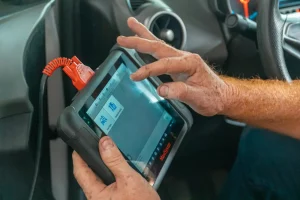
In contrast, newer vehicles often come equipped with more complex electronic systems that can introduce additional points of failure. For example, many modern fuel gauges are integrated into the vehicle’s onboard diagnostics system. This means that a malfunction in the gauge may trigger a check engine light, indicating a broader electrical problem. Diagnosing these issues typically requires specialized diagnostic tools and a solid understanding of the vehicle’s electronic architecture.
Variability in Fuel Tank Design
The design of the fuel tank itself can also play a critical role in how accurately the gauge reflects the actual fuel level. Many vehicles feature fuel tanks with irregular shapes, which can cause the float to behave unpredictably as fuel sloshes around during driving. This is particularly noticeable in off-road vehicles or those that frequently navigate uneven terrain. In such scenarios, the gauge may fluctuate significantly, leading drivers to misinterpret the actual fuel level. It’s essential to be aware of these conditions when relying on a fuel gauge, especially in off-road or performance situations.
Additionally, temperature can impact fuel gauge readings. Fuel expands and contracts with temperature changes, which can lead to minor discrepancies in gauge readings. If a vehicle is parked outdoors during a hot day, the fuel may expand, causing the gauge to read higher than it actually is when the engine is started. Conversely, on cold days, the fuel may contract, potentially misleading the driver into thinking they have less fuel than they do. This variability is often overlooked but can have practical implications for planning refueling stops.
Real-World Observations and Edge Cases
In my experience, there are certain edge cases where fuel gauge issues manifest more prominently. For instance, vehicles that frequently operate with low fuel levels can experience accelerated wear on the fuel pump, which is often submerged in the fuel tank. Running the tank low can lead to overheating of the pump, which can, in turn, cause failures that may not be immediately apparent. This can create a cascading effect where a malfunctioning pump leads to erratic gauge readings, further complicating the situation for the driver.
Another observation involves the impact of fuel quality on gauge performance. Poor-quality fuel, particularly that which contains excessive sediment or water, can lead to clogging in the fuel sender unit. This can cause the float to become immobilized, yielding the same symptoms as a faulty sender. In areas where fuel quality varies significantly, drivers may find that their gauge behaves inconsistently. Regular maintenance and fuel quality monitoring can mitigate some of these issues.
One particularly troublesome scenario arises when a vehicle has been involved in an accident. Damage to the fuel system or wiring can lead to erratic gauge behavior. Even minor impacts can cause disconnections or shorts in the wiring harness, leading to inaccurate readings. In such cases, it’s crucial to conduct a thorough inspection of the fuel gauge system as part of the vehicle’s repair process to ensure that all components are functioning correctly.
Symptoms of Underlying Problems
While some gauge anomalies may seem minor, they can indicate deeper issues. For example, a gauge that consistently reads full may suggest a stuck float, but it could also point to a failing fuel pump or even a clogged fuel filter. It’s important to investigate these symptoms thoroughly rather than dismissing them as minor inconveniences. In some cases, failing to address these issues can lead to more significant problems down the road, including engine performance issues or fuel starvation during operation.
Conversely, a gauge that bounces erratically may not only be a sign of electrical issues but could also indicate potential fuel leaks. A sudden drop in fuel level without a corresponding increase in miles driven should be treated with caution, as it may suggest that fuel is escaping from the tank, posing both a safety hazard and an environmental risk.
Understanding the intricacies of fuel gauge performance can greatly enhance a driver’s awareness of their vehicle’s condition. While the technology behind fuel gauges is not overly complex, the potential for failure is significant due to the various factors at play. Regular maintenance, including checking the integrity of the fuel sender and related electrical components, can help prevent some of the more common issues associated with fuel gauge inaccuracy.
Ultimately, a fuel gauge is just one element of a complex system that drivers rely on to ensure their vehicles operate smoothly. Being attuned to its behavior and understanding the possible causes of discrepancies can help drivers make informed decisions about their refueling habits and vehicle maintenance.