Replacing a muffler is a common task in automotive maintenance, yet it often reveals underlying issues that can complicate what might seem like a straightforward job. Over the years, I’ve encountered various scenarios that highlight the nuances of this process. Each vehicle presents its own set of challenges, influenced by factors such as age, environment, and driving conditions. Understanding these dynamics can help in diagnosing problems beyond the muffler itself and can prevent unnecessary complications during replacement.
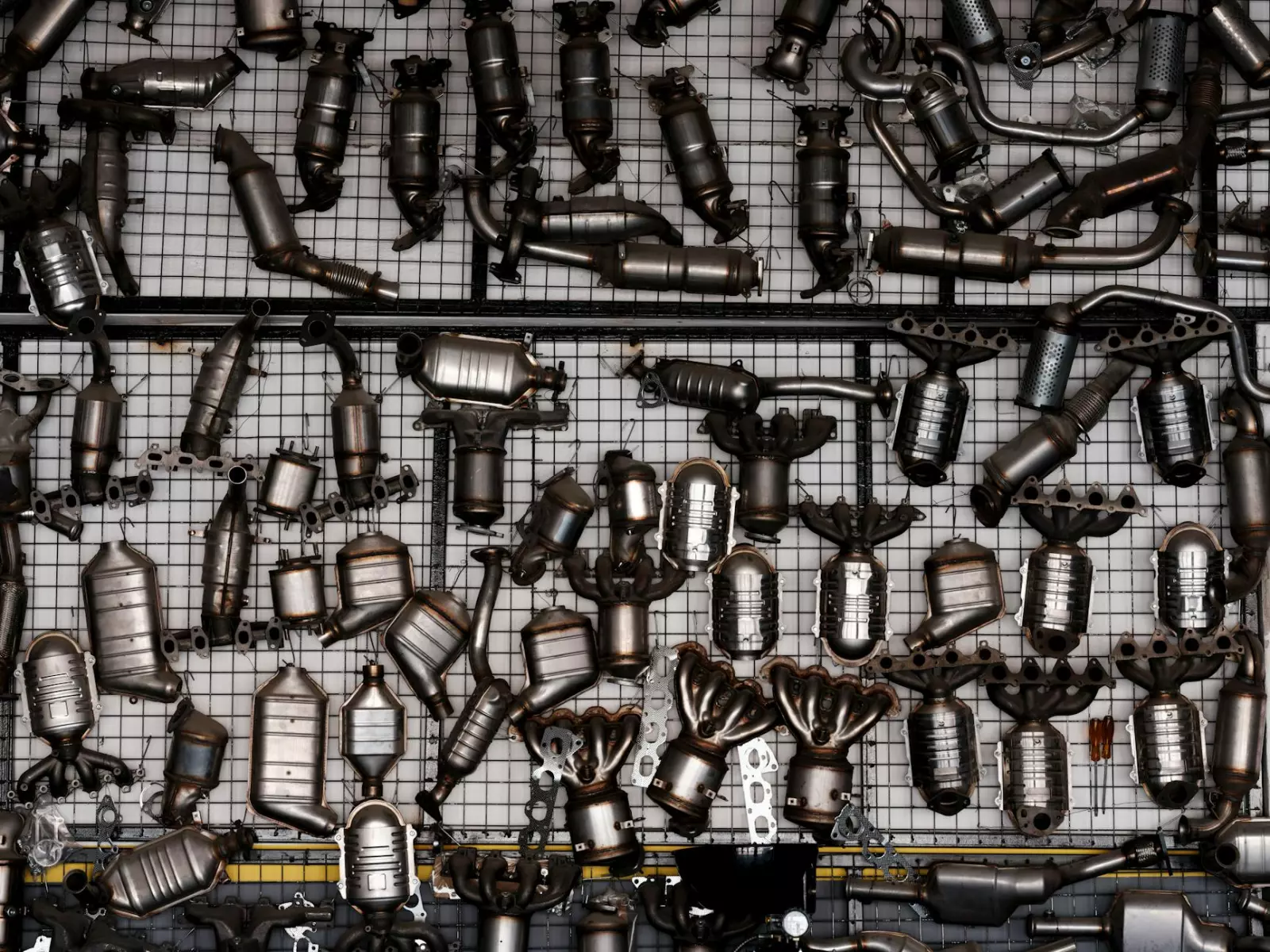
One of the first things to consider is the condition of the exhaust system as a whole. Mufflers don’t fail in isolation; they are part of a larger network that includes pipes, hangers, and catalytic converters. The most common symptom of a failing muffler is increased noise, often accompanied by rust or visible damage. However, before jumping to the conclusion that the muffler is the sole culprit, it’s crucial to inspect adjacent components. For instance, a damaged exhaust pipe may allow exhaust gases to bypass the muffler, creating noise that seems to emanate from it. This misdiagnosis can lead to unnecessary replacement costs if the real issue lies elsewhere.
Rust is a significant factor in muffler longevity. Vehicles that frequently operate in wet or salty environments are particularly susceptible. I’ve observed that mufflers made from aluminized steel tend to show signs of deterioration more quickly than those made from stainless steel. While stainless options are often more expensive, they can offer a longer lifespan, especially in harsh conditions. For instance, a stainless steel muffler may last over a decade in coastal regions where salt exposure is common, whereas an aluminized version might need replacement in half that time.
Examining Mounting and Hanger Conditions
Another critical aspect to consider during a muffler replacement is the condition of the mounts and hangers. Over time, these components can become corroded or damaged, leading to improper alignment of the exhaust system. If the hangers are not replaced or are in poor condition, the new muffler may not be secured properly, leading to vibrations or even further damage down the line. I’ve seen instances where a new muffler was installed, but due to failing hangers, it vibrated excessively, leading to premature wear or even breakage of the new part.
When working on older vehicles, it’s common to encounter seized bolts on the exhaust system. This is particularly true for muffler clamps and flange bolts. Applying penetrating oil ahead of time can ease the process, but even then, the risk of breaking a bolt is significant. In such cases, extracting a broken bolt from the exhaust flange can add hours to the job. This underscores the importance of assessing the entire exhaust system before beginning any work. A thorough inspection can reveal potential delays and allow for better planning, such as sourcing replacement bolts or gaskets ahead of time.
Symptoms of a Failing Muffler
The symptoms of a failing muffler can vary, but several common indicators can help diagnose the issue. Loud exhaust noise is the most obvious sign; however, it’s essential to understand what constitutes “loud.” A muffler that is simply louder than stock may not necessarily be failing, especially if the vehicle has been modified for performance. A noticeable drop in fuel efficiency can also accompany muffler failure, as exhaust back pressure affects engine performance. This can often be overlooked during routine maintenance, but if fuel consumption increases significantly, it warrants a closer inspection of the entire exhaust system.
Another less obvious symptom is a change in engine performance. A clogged or damaged muffler can restrict exhaust flow, leading to a decrease in power, especially under load. For example, if a pickup truck struggles to maintain speed while towing a trailer, the muffler might not be allowing the engine to expel exhaust gases efficiently. This could be mistaken for an issue with the engine itself, leading to unnecessary troubleshooting in that area.
Edge Cases and Complications
In some cases, a muffler replacement may uncover more significant issues. For instance, if the vehicle has been involved in an accident, the exhaust system may have been compromised in ways that are not immediately visible. A muffler that appears to be in good condition externally might still be damaged internally, leading to unusual sounds or performance issues. It’s not uncommon for me to discover that a seemingly simple muffler replacement ends up involving additional repairs to the exhaust system or even the engine due to related damage.
Another edge case involves aftermarket components. While many aftermarket mufflers are designed to fit a range of vehicles, they may not always meet the same quality standards as OEM parts. I’ve had experiences where an aftermarket muffler, although less expensive, failed prematurely due to poor construction or material quality. This can result in a cycle of repeated replacements, ultimately negating any initial cost savings. It’s a reminder that while price is an important consideration, the long-term reliability of components should not be overlooked.
Environmental Considerations
Environmental factors can also affect muffler longevity. For example, vehicles that are frequently driven in stop-and-go traffic are more prone to overheating, which can exacerbate wear on exhaust components. In contrast, vehicles that are primarily used for highway driving might experience less wear on the muffler but could still develop issues due to prolonged exposure to high temperatures. Understanding the typical driving conditions of a vehicle can provide valuable insight into the expected lifespan of the exhaust system components.
One often overlooked aspect is the importance of regular maintenance checks on the exhaust system. While mufflers don’t typically require frequent attention, a visual inspection can reveal early signs of wear or damage. This is particularly true for vehicles that are older or have high mileage. A small crack in the muffler or a loose hanger can lead to more significant problems if not addressed promptly. Regular checks can prevent a situation where a muffler replacement turns into a more extensive repair job.
In summary, replacing a muffler is more than just swapping out a part. It requires a comprehensive assessment of the entire exhaust system and consideration of various factors that can influence the longevity and performance of the new component. By remaining observant and thorough during the replacement process, one can avoid common pitfalls and ensure that the vehicle operates efficiently and quietly for years to come.