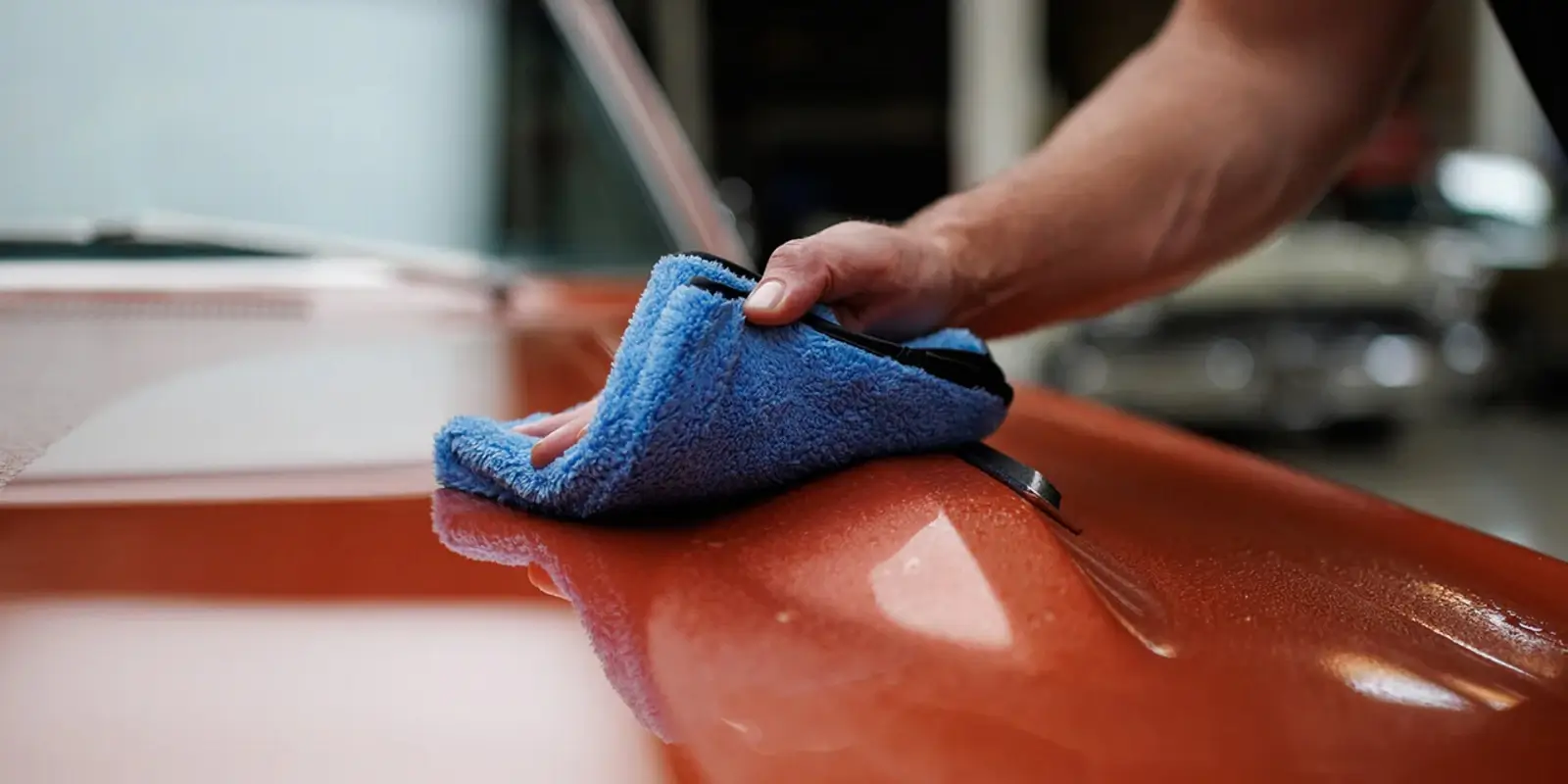
In the realm of automotive maintenance, microfiber towels have become a staple for many professionals and enthusiasts alike. Their ability to absorb moisture, lift dirt, and minimize scratches makes them particularly useful for a range of applications, from detailing to under-the-hood inspections. However, while they are often praised for their versatility, there are nuances to their use that can lead to unexpected challenges.
One common scenario involves the use of microfiber towels during exterior cleaning. While these towels are designed to trap dirt and grime effectively, they can also become a source of frustration when not used properly. A towel that has picked up abrasive particles can inadvertently scratch a vehicle’s paint if it’s reused without thorough cleaning. This is something I’ve encountered time and again, particularly when working on older vehicles where paint quality may already be compromised. It’s a reminder that even the best tools can cause damage if not maintained correctly.
Another observation is the behavior of microfiber towels in high-heat environments, such as engine compartments. When used to wipe down components, these towels can quickly absorb oils and greases. Over time, heat can break down the fibers, leading to a loss of efficacy. In some cases, I’ve noticed that towels left in the engine bay can develop a burnt smell, indicating that they’re deteriorating. This degradation often goes unnoticed until the towel fails to perform its intended function, which can be problematic when precision is needed.
Choosing the Right Microfiber Towel
Microfiber towels come in various grades and weaves, each suited for different tasks. For instance, a plush towel is excellent for drying and polishing, while a tighter weave may be better suited for cleaning glass or other smooth surfaces. I’ve often seen technicians use a single type of towel for multiple applications, which can lead to cross-contamination of cleaning agents or residues. This is particularly evident when a towel used for oil cleanup is then employed for a delicate surface. The results can be less than ideal, sometimes requiring additional effort to rectify.
Storage and Longevity
Proper storage of microfiber towels is another aspect that is frequently overlooked. Storing them in a damp environment can promote the growth of mildew, which not only affects the towel’s performance but can also transfer unpleasant odors to surfaces being cleaned. In my experience, keeping them in a dry, well-ventilated area extends their lifespan significantly. I’ve witnessed many instances where towels that could have lasted longer were prematurely discarded due to neglect.
Using microfiber towels is generally safe and beneficial, but there are caveats that require attention. Recognizing when a towel has reached the end of its useful life is critical. Signs such as fraying edges or a lack of absorbency can indicate that it’s time to replace them. A well-maintained microfiber towel can be a reliable ally in automotive care, while a neglected one can lead to unexpected issues. The balance lies in understanding the material and using it thoughtfully within the context of automotive maintenance.