Fuel pumps play a critical role in the operation of internal combustion engines, ensuring that fuel reaches the engine at the appropriate pressure. In my years of experience working with various vehicles, I have encountered both mechanical and electric fuel pumps, each with distinct characteristics and performance implications. The choice between these two types often hinges on the specific application and the conditions under which the vehicle operates.
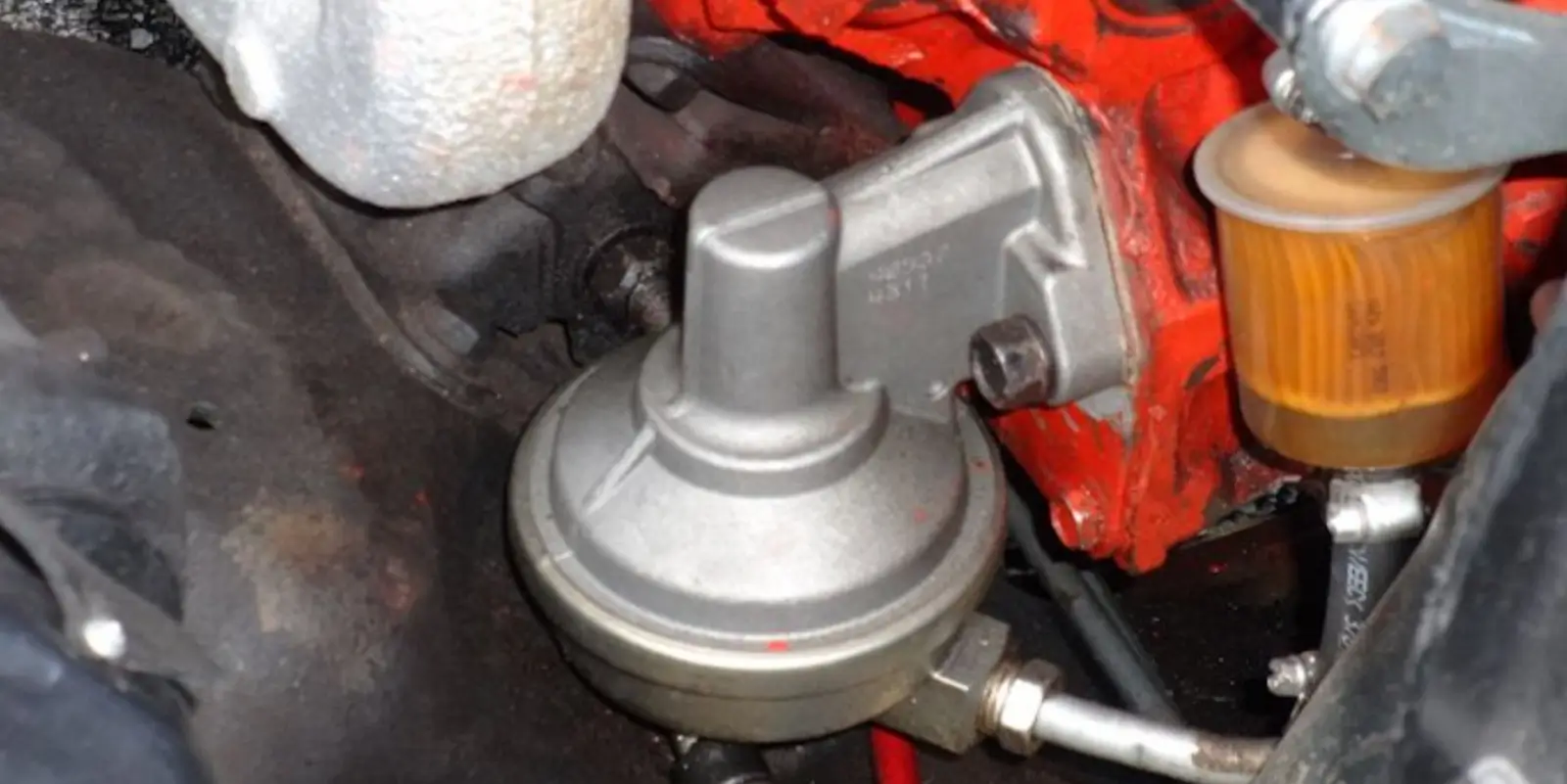
Mechanical fuel pumps are typically found in older vehicles or in specific applications such as classic cars and some commercial vehicles. They are usually mounted directly on the engine and are driven by the engine’s camshaft or crankshaft. This direct mechanical link allows them to operate in sync with the engine’s speed; as engine RPM increases, so does fuel delivery. However, this design can also present limitations. For instance, mechanical pumps may struggle to maintain consistent pressure at high RPMs or under heavy load, which can lead to performance issues. In practice, I have seen these pumps fail due to wear and tear, especially when subjected to conditions like prolonged idling or high-temperature environments.
In contrast, electric fuel pumps have become the standard in modern vehicles, including most passenger cars and light trucks. These pumps are typically located in the fuel tank and are designed to deliver fuel at a consistent pressure regardless of engine speed. This design can be advantageous, particularly in high-performance applications where fuel delivery needs to be precise. One notable observation is that electric pumps tend to have a longer lifespan than mechanical pumps, largely due to their sealed environment within the tank, which protects them from contaminants. However, they are not without their own set of challenges.
Electric fuel pumps can be more susceptible to failure due to electrical issues or fuel contamination. For example, I have encountered instances where a pump failed due to a clogged fuel filter, which restricted flow and caused the pump to overheat. Additionally, the reliance on electrical components means that issues such as wiring shorts or relay failures can render the pump inoperative, often leading to sudden engine stalls. This unpredictability can be particularly troublesome, especially in vehicles that are frequently used for long distances or in remote areas.
Performance Under Load
Both types of fuel pumps exhibit different performance characteristics under load. Mechanical pumps, due to their direct drive mechanism, may struggle to maintain adequate fuel pressure when the engine is under heavy load. This can manifest as engine hesitation or stalling, particularly during acceleration. In contrast, electric pumps generally maintain consistent pressure even under load, given that they are designed to handle varying demands from the engine. However, the performance of electric pumps can be adversely affected by fuel temperature; high temperatures can lead to vapor lock, where the fuel vaporizes in the lines, causing fuel delivery issues. This is especially critical in hot climates or during prolonged stop-and-go traffic.
Installation and Maintenance Considerations
Installation of fuel pumps also varies significantly between mechanical and electric types. Mechanical pumps are often simpler to install, particularly in older vehicles where space and compatibility are less of an issue. However, their placement on the engine can make them more susceptible to heat, which can accelerate wear. Electric pumps, while requiring more complex electrical connections, are often easier to access for maintenance, as they are typically located in the fuel tank. The downside is that accessing the tank can involve more labor, particularly in vehicles where the tank is not easily removable.
Maintenance practices also differ. Mechanical pumps may require periodic inspection and replacement, especially in older vehicles where parts may be worn out. In my experience, it is common to see leaks at the mounting points or failures in the diaphragm that can lead to fuel pressure drops. Electric pumps, on the other hand, generally require less frequent maintenance but do need regular checks for electrical integrity and fuel quality. Contaminated fuel can lead to premature pump failure, which is often overlooked during routine maintenance checks.
Real-World Scenarios and Failures
In real-world scenarios, I have seen a variety of failures related to both mechanical and electric fuel pumps. A common issue with mechanical pumps is diaphragm failure, which can lead to fuel leaking into the crankcase. This not only affects engine performance but can also cause significant damage if not addressed promptly. On the other hand, electric pumps can fail due to overheating, which often occurs when the fuel level is allowed to drop too low. This allows the pump to run dry, leading to overheating and eventual failure.
Another observation worth noting is that the quality of fuel can significantly impact the longevity of both types of pumps. Contaminated or low-quality fuel can lead to clogging in mechanical pumps and can cause electric pumps to work harder than designed, leading to early failure. I have often advised vehicle owners to ensure they are using high-quality fuel and to replace fuel filters at regular intervals to mitigate these risks.
Environmental Considerations
The operating environment also plays a crucial role in the performance and longevity of fuel pumps. In colder climates, for example, mechanical pumps may struggle to deliver fuel if the fuel thickens. Electric pumps may experience similar issues if the fuel is not adequately heated. Additionally, both types can be affected by the presence of water in the fuel system, which can lead to corrosion and other issues. In my experience, I’ve seen vehicles in regions with high humidity or where water contamination is common face more frequent fuel pump failures.
When comparing the two types of pumps, it’s evident that both have their advantages and disadvantages. Mechanical pumps tend to be simpler and more reliable in certain applications, while electric pumps offer enhanced performance and adaptability in modern vehicles. Ultimately, the choice between a mechanical and electric fuel pump should consider not only the specific vehicle application but also the expected operating conditions and maintenance capabilities of the owner.
As automotive technology continues to evolve, the complexities of fuel delivery systems will likely increase. Understanding the nuances of mechanical versus electric fuel pumps is essential for anyone involved in automotive maintenance or repair. Recognizing the signs of potential failure and understanding the implications of each pump type can lead to better decision-making when it comes to vehicle upkeep and performance.