In the world of automotive maintenance, antifreeze plays a critical role in engine performance and longevity. It is a key component of the cooling system, helping to regulate engine temperature and prevent overheating. However, the disposal of antifreeze is often overlooked, despite its importance for both vehicle health and environmental safety. Throughout my years of working on various vehicles, I have encountered numerous instances where improper antifreeze disposal has led to complications, both for the vehicle owner and the surrounding environment.
Antifreeze, primarily made from ethylene glycol or propylene glycol, is toxic. When improperly disposed of, it can seep into the ground or enter water systems, posing a risk to wildlife and human health. The implications of this are significant, leading to stringent regulations governing its disposal. As an automotive professional, my experience has shown that understanding these regulations is essential for anyone involved in vehicle maintenance.
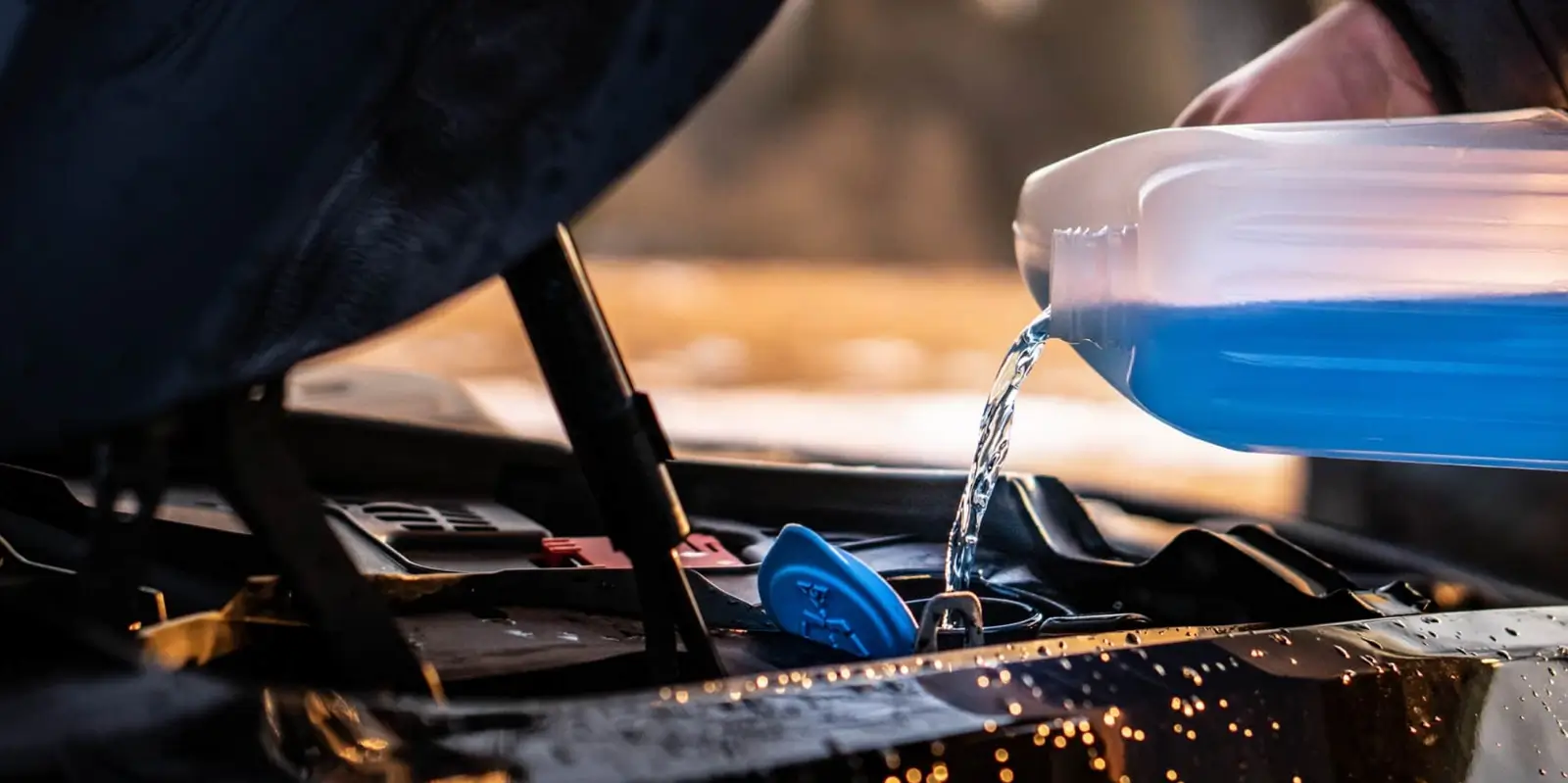
One common scenario involves vehicle owners changing their own coolant. They often drain the old antifreeze into containers without considering the potential risks. A typical mistake is to assume that pouring it down a drain or onto the ground is acceptable. This is not only illegal in many areas but also harmful to the environment. Instead, it’s crucial to use designated disposal sites or recycling centers that can handle hazardous materials.
The Chemical Nature of Antifreeze
Understanding the chemical properties of antifreeze can provide insights into why it must be disposed of properly. Ethylene glycol, while effective in preventing engine freeze and corrosion, is highly toxic when ingested. Animals are particularly at risk, as its sweet taste can attract them, leading to accidental poisoning. Propylene glycol is less toxic and is sometimes used in food applications, but it still requires careful handling and disposal.
When antifreeze breaks down, it can form harmful byproducts that may contaminate soil and water. This is particularly concerning in areas where rainwater can wash these substances into local waterways. A vehicle’s cooling system operates under conditions of heat and pressure, leading to the gradual breakdown of antifreeze over time. As it degrades, the risk of contamination increases, making proper disposal even more critical.
Real-World Disposal Solutions
In my experience, many local governments and automotive shops have established programs for the proper disposal of antifreeze. These programs often involve designated drop-off points where old antifreeze can be safely collected and disposed of. Some shops even offer recycling services, allowing the coolant to be processed and reused in new formulations. This not only minimizes environmental impact but also provides a sustainable solution for coolant management.
Another option that has gained popularity is the use of environmentally friendly coolants. These products are designed to be less harmful if spilled or improperly disposed of. However, even these alternatives should be handled with care. It’s vital to check local regulations regarding their disposal, as they may still require specific processes to ensure safety.
Potential Complications from Improper Disposal
Neglecting proper antifreeze disposal can lead to a series of complications. For instance, if antifreeze is dumped inappropriately, it can lead to groundwater contamination. This poses long-term risks not only to local ecosystems but also to public health, especially in areas reliant on well water. The ramifications can extend to legal consequences for vehicle owners and businesses that fail to comply with disposal regulations.
Moreover, improper disposal can create operational challenges for automotive shops. If a facility is found to be improperly disposing of hazardous materials, it can face fines and increased scrutiny from regulatory bodies. This can lead to increased operating costs and damage to reputation, ultimately affecting customer trust and business viability.
Best Practices for Antifreeze Disposal
Through my years of experience, I have found that establishing a routine for antifreeze disposal can significantly mitigate risks. For vehicle owners, this means keeping a checklist of local disposal regulations and resources. Knowing where to take used antifreeze can save time and prevent potential environmental harm. Many automotive retailers and repair shops can provide guidance on local disposal options.
For professionals in the automotive industry, adopting a standardized procedure for coolant changes can streamline the process. This includes providing customers with information about proper disposal methods and ensuring that all waste materials are handled according to local guidelines. Keeping accurate records of waste disposal can also be beneficial for compliance and transparency.
Additionally, training staff on the importance of proper antifreeze handling can create a culture of environmental responsibility within a shop. Regular reminders about the potential dangers of improper disposal can reinforce safe practices and encourage proactive behavior among employees.
Environmental Regulations and Compliance
Regulations regarding antifreeze disposal vary widely by location. In many jurisdictions, there are strict guidelines that must be followed. Familiarizing oneself with these regulations is essential for both vehicle owners and automotive professionals. Many areas require that antifreeze be disposed of at certified recycling centers or through licensed hazardous waste disposal services.
Some organizations, such as the Environmental Protection Agency (EPA) in the United States, provide resources and guidelines for the safe handling and disposal of hazardous materials, including antifreeze. Staying informed about changes to these regulations is crucial, as non-compliance can lead to significant penalties.
In certain regions, community programs may exist to facilitate the safe disposal of automotive fluids. These initiatives often occur during designated collection events, which can be an excellent opportunity for vehicle owners to dispose of antifreeze responsibly.
Conclusion: The Importance of Responsible Disposal
The importance of responsible antifreeze disposal cannot be overstated. As automotive professionals and vehicle owners, the choices we make regarding coolant management have far-reaching implications. By adopting best practices and remaining informed about local regulations, we can contribute to environmental protection while ensuring the longevity and performance of our vehicles. Observing the simple yet critical steps involved in proper disposal can lead to a more sustainable automotive landscape.