In colder climates, heating a garage can often become a necessity, especially when it serves as a workspace for vehicle maintenance or storage. Over the years, I’ve encountered various methods that people employ to keep their garages warm during winter, each with its own set of advantages and challenges. The choice of heating solution can significantly impact not just comfort, but also the performance and longevity of the vehicles stored within.
One common approach is using portable electric heaters. These units can quickly raise the temperature in a confined space. However, they often have limitations. Many garages are not well insulated, which means that heat can escape rapidly, leading to inefficiencies. I’ve seen instances where the heater runs continuously, only to find that it barely maintains a comfortable temperature. This can be particularly problematic for vehicles, as extreme temperature fluctuations can affect battery performance and tire pressure.
Gas-Fired Heaters and Ventilation Needs
Gas-fired heaters are another option that I’ve observed in various setups. They can provide substantial heat output and are often more efficient for larger spaces. However, these units require proper ventilation to prevent the buildup of harmful gases. I’ve encountered garages where the heating system was installed without adequate exhaust, leading to safety concerns. While they can be effective, the need for ventilation must not be overlooked to ensure a safe working environment.
Insulation’s Role in Efficiency
A key factor that often goes unconsidered is insulation. Many garages are built with minimal thermal protection, which can negate the benefits of any heating system. In my experience, adding insulation to walls and ceilings can significantly enhance the effectiveness of heating solutions. It’s not uncommon for me to see garages where a simple insulation upgrade made a noticeable difference in temperature retention. This is especially important for vehicles, as consistent temperatures help maintain fluid viscosities and overall mechanical integrity.
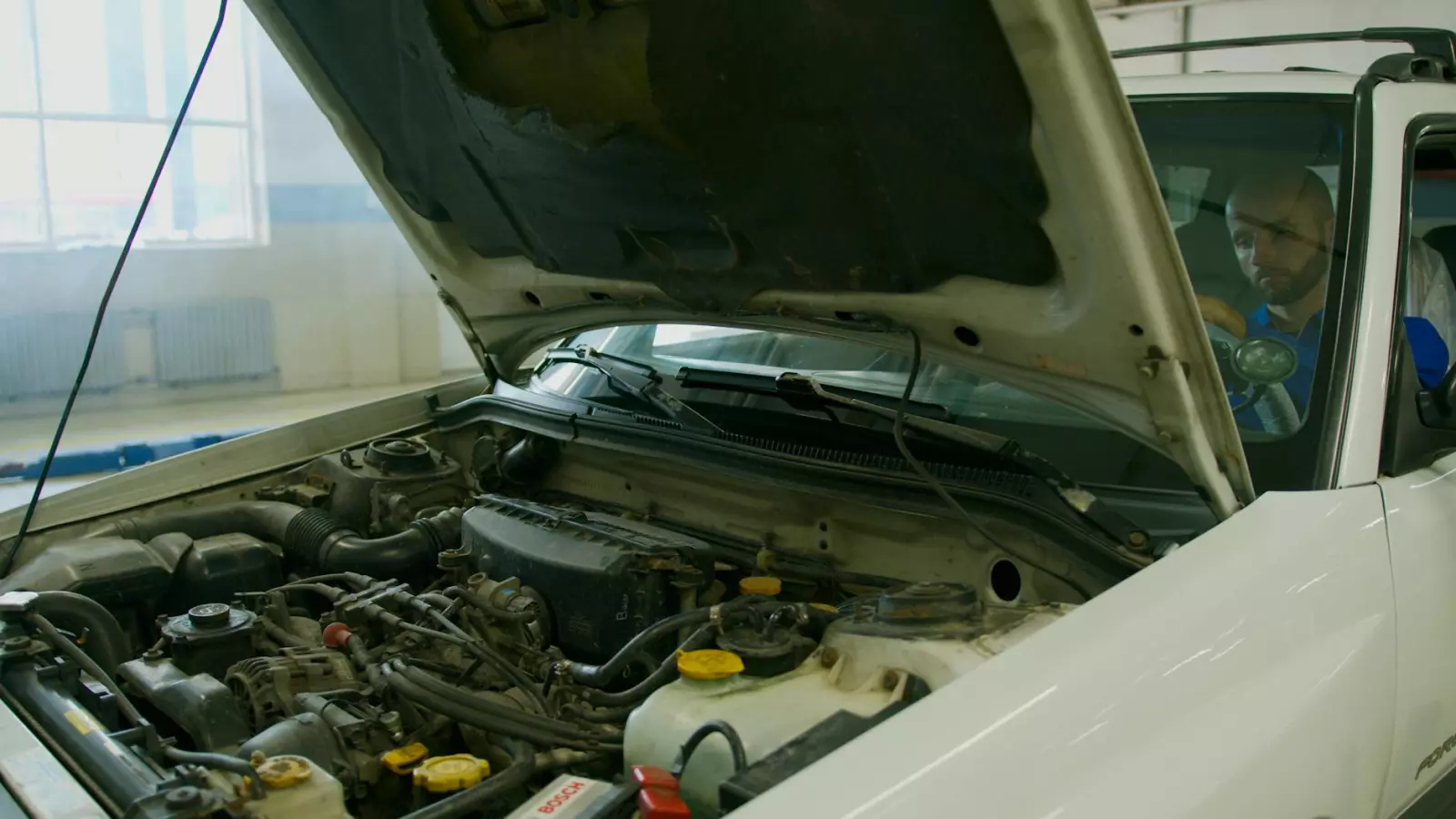
In addition to heating methods, the placement of the vehicle within the garage can influence how well heat is distributed. Keeping a vehicle close to the heat source can help, but it’s essential to avoid direct exposure to heat that could impact sensitive components. I’ve often noted that engine oil can thicken in extreme cold, and maintaining a warmer environment can facilitate easier starts and better lubrication when temperatures drop.
Ultimately, the choice of heating method will depend on the specific needs and layout of the garage. Each solution has its nuances, and understanding these can prevent common pitfalls. It’s always wise to monitor the performance of both the heating system and the vehicles stored within. Regular checks can help identify any issues early on, ensuring both the garage and the vehicles remain in optimal condition throughout the winter months. The balance between comfort, safety, and vehicle care is crucial, and attention to detail can make all the difference in a well-functioning garage during the colder seasons.