In the realm of automotive maintenance, the quality of garage lighting often goes unnoticed until it becomes a significant issue. Over the years, I’ve encountered numerous situations where inadequate lighting has obscured critical vehicle inspections. A dimly lit environment can mask fluid leaks, worn belts, and other mechanical failures that could be easily spotted under better illumination.
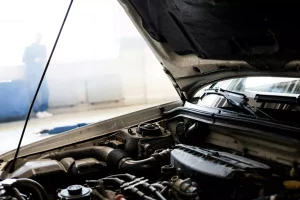
One common issue is the placement of light fixtures. Many garages have lights positioned too high or too far from the work area. This can create shadows that obscure vital components. For instance, when inspecting an engine, shadows can hide oil leaks around the valve cover or the oil pan. Inadequate lighting can also make it difficult to see the condition of hoses and belts, potentially leading to missed signs of wear.
Additionally, the type of lighting used plays a crucial role. Fluorescent lights, while common, can flicker and take time to warm up, which can be frustrating during a quick inspection. LED lights, on the other hand, provide bright, consistent illumination and have a longer lifespan, reducing the frequency of replacements. However, the initial installation cost can deter some from making the switch.
Impact of Environmental Conditions
Environmental factors also affect garage lighting efficiency. In colder climates, for instance, the performance of certain light fixtures can diminish. Fluorescent lights may struggle in low temperatures, causing them to dim or flicker. In contrast, LED lights generally perform well across a broader temperature range. This is particularly important for those who may need to work on vehicles in winter months when visibility is crucial.
Safety Considerations
From a safety standpoint, poor lighting can lead to accidents. Sharp tools and heavy parts are often involved in automotive work, and a lack of visibility increases the risk of injuries. I’ve seen instances where a mechanic misjudged the position of a tool or part due to inadequate lighting, resulting in dropped components or, worse, personal injury.
Moreover, the emotional toll of working in a poorly lit space shouldn’t be underestimated. A well-lit garage can make the work feel more approachable and less daunting. When visibility improves, so does the accuracy of diagnostics and repairs. I’ve noticed that technicians tend to be more thorough and efficient when they can clearly see what they are working on.
In my experience, addressing garage lighting is often an afterthought for many vehicle owners. However, the consequences of ignoring it can lead to costly repairs down the line. Whether it’s about preventing accidents or ensuring proper vehicle maintenance, investing in good lighting is a step worth considering. The difference is often not just in visibility but in the overall quality of work performed in that space.