Foam cannons have become increasingly popular among automotive enthusiasts and detailers for their ability to deliver a thick layer of foam that clings to surfaces, aiding in the cleaning process. However, as with many tools in the automotive realm, they come with their own set of challenges that can affect their effectiveness and longevity.
One of the most common issues I’ve encountered is the inconsistency in foam quality. This can often be traced back to the choice of soap. Not all car wash soaps are formulated the same way; some are designed to produce copious suds while others may not generate much foam at all. When using a foam cannon, it’s crucial to select a product that is compatible with the cannon’s design. A soap that is too thick or too diluted can lead to poor performance, resulting in a watery spray instead of the desired foamy coverage.
Impact of Pressure and Water Quality
The pressure of the water supply plays a significant role in how effectively a foam cannon operates. Typically, these devices are designed to work best with pressure washers that can deliver a specific PSI. If the water pressure is too low, the foam produced may not cling well to the vehicle surface, leading to suboptimal cleaning results. Conversely, excessive pressure can sometimes cause the foam to disperse too quickly, negating its effectiveness.
Water quality is another factor that warrants attention. Hard water can lead to mineral buildup in the foam cannon, which can clog the internal components over time. This buildup not only affects foam production but can also lead to premature wear of seals and other parts. Regular maintenance, including flushing the cannon with distilled water after use, can help mitigate this issue.
Common Mechanical Failures
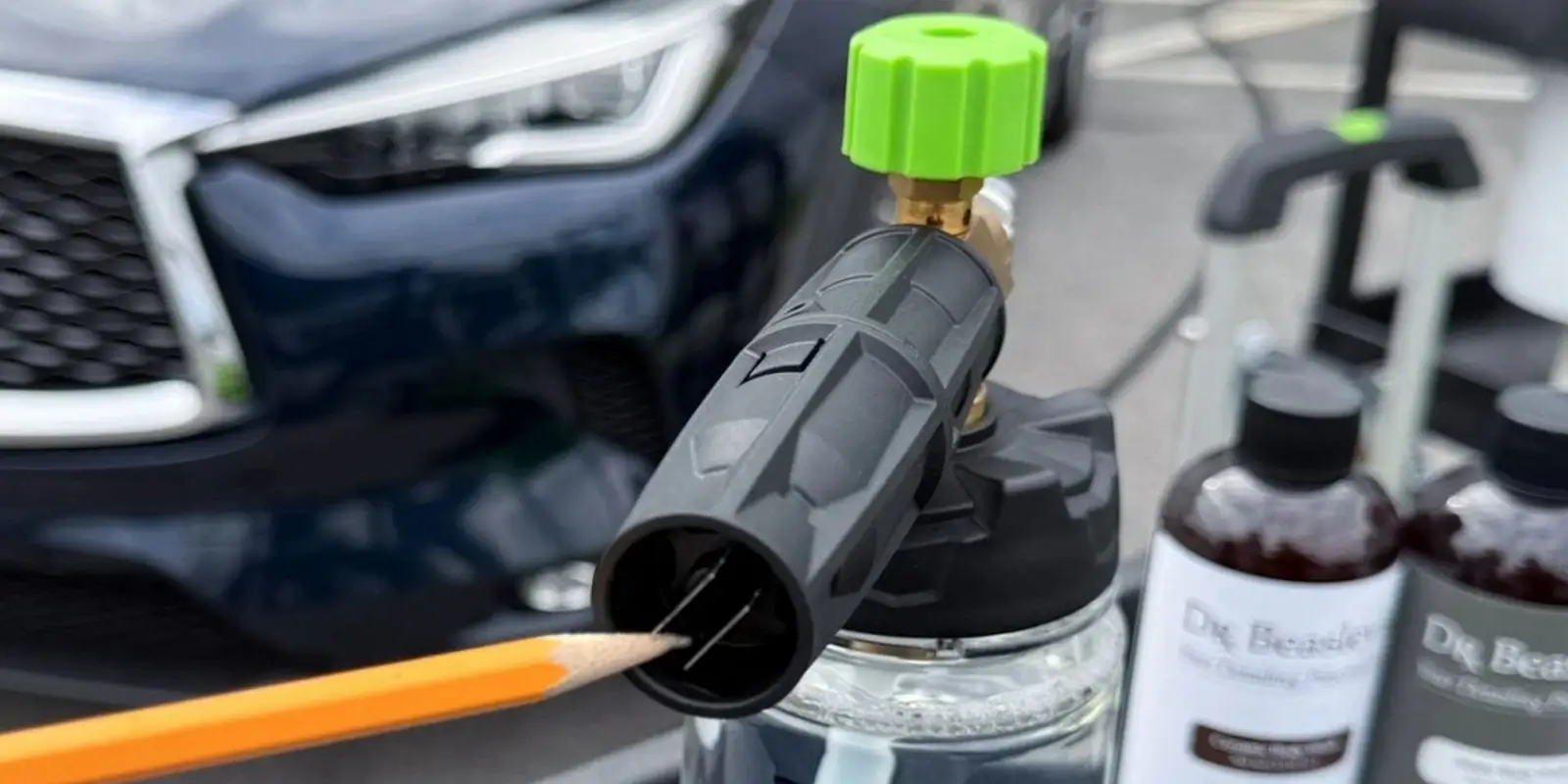
In my experience, mechanical failures in foam cannons often manifest in the form of clogged nozzles or malfunctioning spray patterns. The foam cannon’s nozzle is critical for creating the right foam consistency, and it can easily become obstructed by soap residue or mineral deposits. A simple cleaning can often restore function, but if the nozzle has been damaged, it may require replacement.
Another area that tends to fail is the connection point between the cannon and the pressure washer. Over time, these connections can wear out or become loose, leading to leaks. This not only wastes soap and water but can also create a mess that detracts from the cleaning process. Ensuring that all connections are secure and checking for wear can help prevent these issues from escalating.
Sometimes, users overlook the importance of proper technique. The angle at which the foam cannon is held can significantly impact the distribution of foam. Holding it too close to the surface can lead to pooling, while holding it too far away can result in an uneven application. This isn’t a mechanical failure but rather a user-related issue that can often be fixed with a bit of practice.
Foam cannons can enhance the vehicle cleaning experience when used correctly. However, being aware of these common challenges helps in troubleshooting and maintaining their effectiveness. Understanding the interplay between soap choice, water quality, and mechanical integrity can lead to better results and a more efficient cleaning process.