In the world of automotive maintenance, air filters play a crucial role in ensuring that both the engine and the cabin environment are kept clean and functional. While many vehicle owners understand the importance of changing filters, the distinctions between engine air filters and cabin air filters often lead to confusion. Each serves a unique purpose and operates in different environments within the vehicle, and over time, I have encountered various real-world scenarios that highlight their significance.
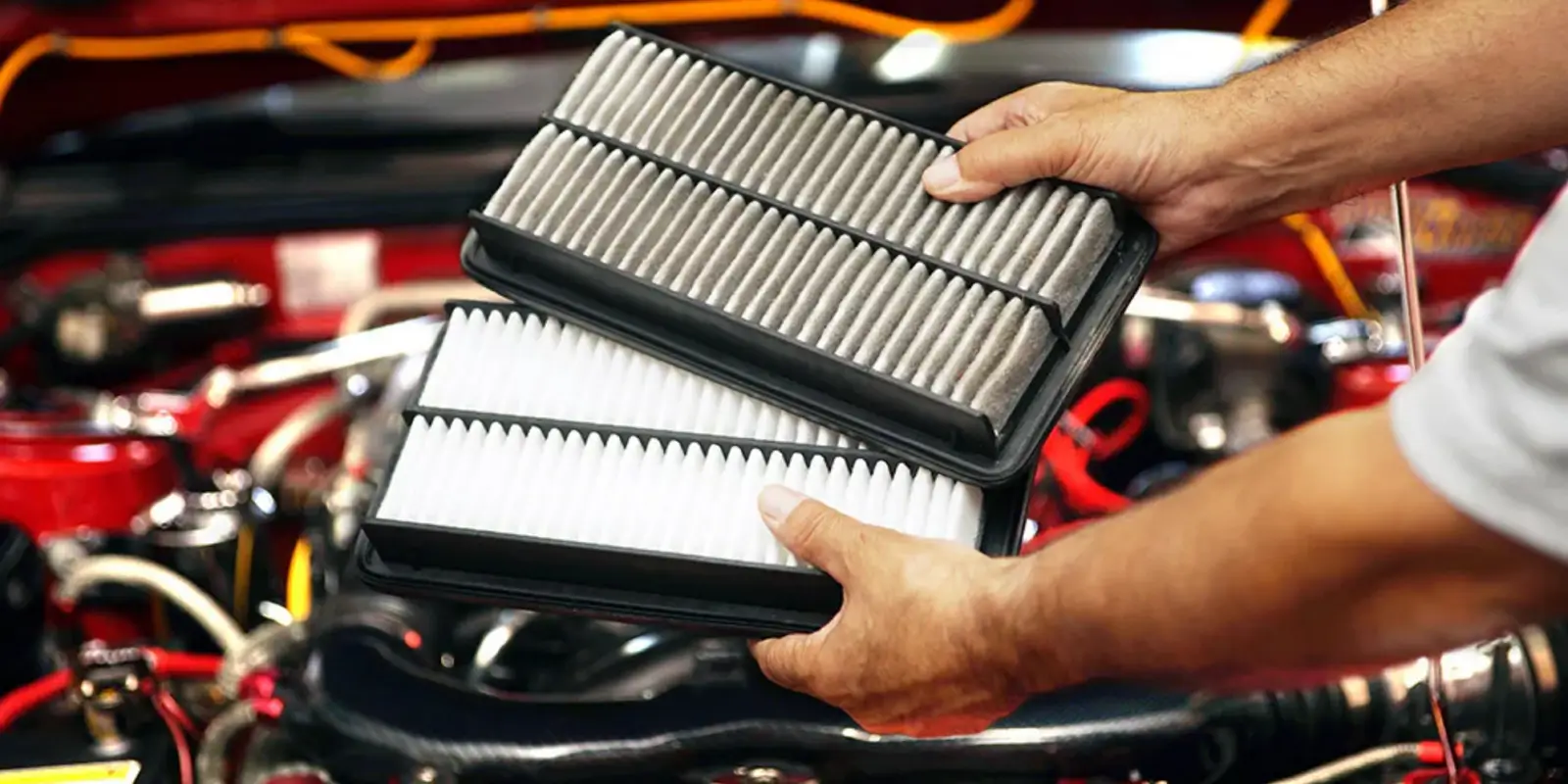
Engine air filters are primarily designed to protect the engine from harmful contaminants. They are located in the engine bay, usually within a plastic housing that is easy to access. Their main function is to filter out dirt, dust, and other particles from the air entering the engine’s combustion chambers. A clean engine air filter is vital for the engine’s performance, fuel efficiency, and longevity. When the filter becomes clogged with debris, it restricts airflow, which can lead to a range of issues, including reduced power output, poor fuel economy, and increased emissions.
In my experience, engine air filters can become obstructed more quickly in vehicles that operate in dusty environments or are frequently driven on unpaved roads. For instance, I once worked on a pickup truck that was regularly used for off-roading. The owner noticed a significant drop in power and fuel efficiency. A quick inspection revealed that the engine air filter was heavily soiled, restricting airflow. After replacing the filter, the truck’s performance returned to normal, emphasizing the importance of timely maintenance.
On the other hand, cabin air filters serve a distinctly different purpose. Located within the vehicle’s HVAC (heating, ventilation, and air conditioning) system, these filters are designed to improve the air quality inside the passenger compartment. They capture dust, pollen, and other particulates, ensuring that the air occupants breathe is clean. This is especially important for individuals with allergies or respiratory issues.
It’s common to overlook cabin air filters during routine maintenance, but neglecting them can lead to specific issues. Over time, a clogged cabin air filter can reduce airflow from the HVAC system, resulting in inadequate heating or cooling. In some cases, I have observed that a blocked filter can even lead to unpleasant odors circulating in the cabin, as moisture and debris accumulate in the filter.
The symptoms of a failing cabin air filter can be subtle at first. For example, you might notice that the air coming from the vents is not as strong as it used to be. In one instance, a customer complained about a musty smell inside their vehicle. Upon inspection, I found that the cabin air filter was saturated with moisture and mold, which had developed due to a lack of airflow. Replacing the filter not only improved air quality but also eliminated the odor.
Both filters have specific service intervals recommended by manufacturers, but these can vary based on driving conditions. Engine air filters are typically replaced every 15,000 to 30,000 miles, while cabin air filters may need changing every 10,000 to 20,000 miles. However, these intervals can be adjusted based on environmental factors. For example, a vehicle used in a city with high pollution levels may require more frequent replacement of the cabin air filter than one used in a rural area.
Another critical aspect to consider is the materials used in these filters. Engine air filters are often made from pleated paper or foam, designed to trap particles while allowing sufficient airflow. Cabin air filters, on the other hand, can be made from similar materials but may also include activated charcoal to help eliminate odors and harmful gases. In some cases, I have encountered vehicles equipped with HEPA filters, which provide a higher level of filtration, particularly beneficial for urban driving conditions.
The installation of these filters is generally straightforward, but care must be taken to ensure that they are installed correctly. A common mistake is to improperly seal the filter housing, which can allow unfiltered air to enter the engine. This oversight can lead to premature wear on engine components and ultimately result in costly repairs.
Furthermore, it’s essential to recognize that while both filters are critical for vehicle operation, their failure can manifest in different ways. A failing engine air filter often leads to performance issues that can be felt during acceleration or when climbing hills. In contrast, the symptoms of a failing cabin air filter are usually more subtle and related to comfort rather than performance.
In some cases, I have seen vehicle owners attempt to clean their engine air filters, particularly foam filters, instead of replacing them. While this can be effective for reusable filters, it’s important to understand that many paper filters are designed for single use. Cleaning them can sometimes damage the filter media, leading to reduced effectiveness.
As vehicles continue to evolve with advanced engine management systems and increasingly complex HVAC setups, the importance of these filters cannot be overstated. Regular maintenance and understanding the distinct roles of engine and cabin air filters contribute to overall vehicle health.
In summary, while both engine air filters and cabin air filters perform essential functions, they operate in different environments and have unique impacts on vehicle performance and passenger comfort. Regular inspections and timely replacements of these filters can prevent a host of issues, ensuring that the vehicle operates efficiently and that occupants enjoy a clean and healthy cabin environment.