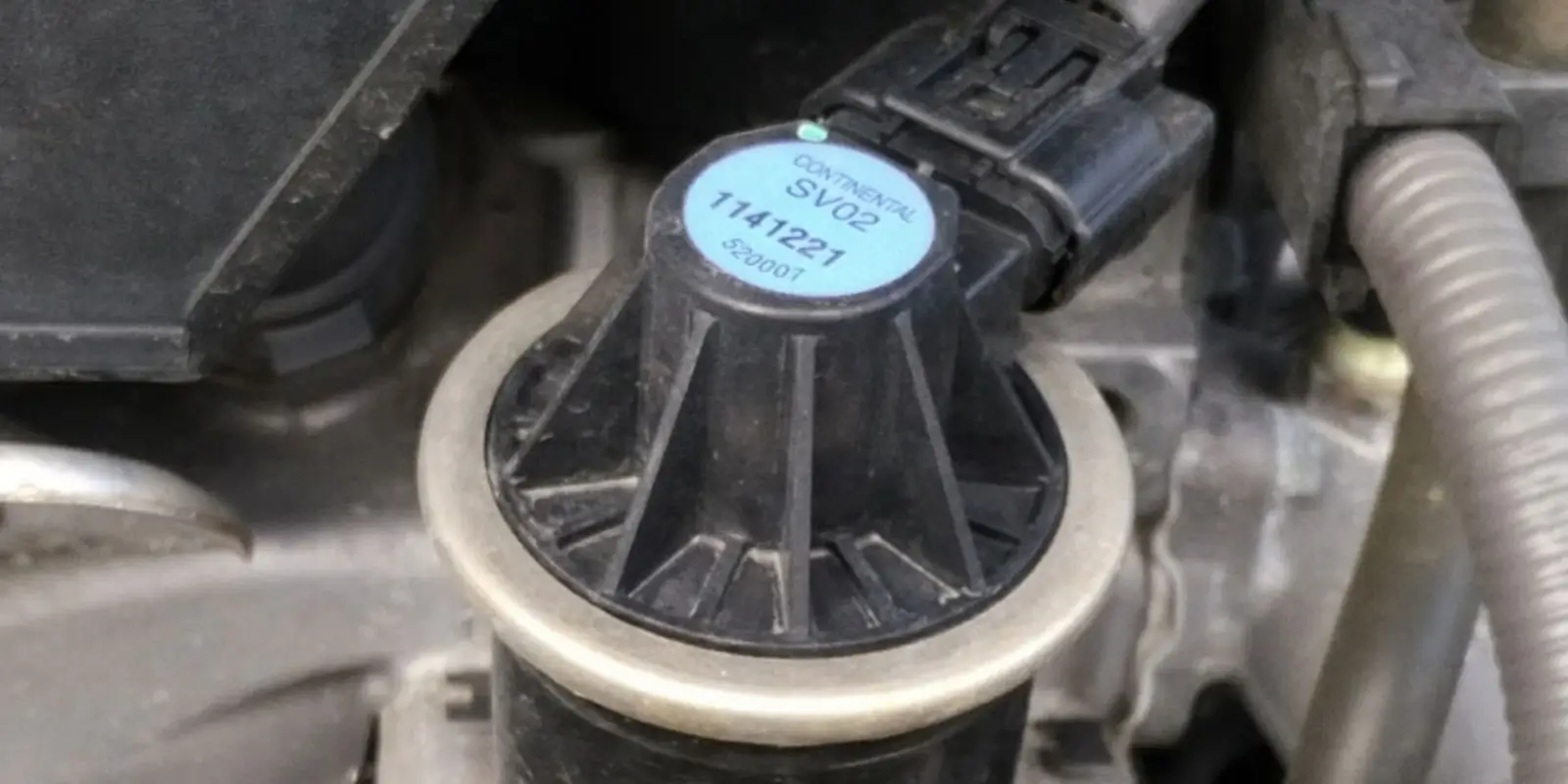
The P0403 trouble code, indicating an Exhaust Gas Recirculation (EGR) circuit malfunction, is one I have encountered numerous times in various vehicles. These problems often arise in the context of emissions control, a critical aspect of modern automotive engineering. The EGR system plays a vital role in reducing nitrogen oxide (NOx) emissions by recirculating a portion of the exhaust gas back into the engine’s intake. This process helps to lower combustion temperatures and, consequently, NOx formation. However, when the EGR system falters, it can lead to a cascade of symptoms that affect engine performance and emissions.
In my experience, the P0403 code is often triggered by issues in the EGR valve or its associated circuitry. Commonly, this involves either an open circuit or a short circuit in the EGR valve control circuit. These malfunctions can occur due to various factors, including wear and tear, environmental exposure, and electrical faults. In some cases, the EGR valve itself may become clogged with carbon deposits, preventing it from operating correctly. It is not uncommon to find that vehicles with higher mileage or those that frequently operate under heavy loads are more susceptible to such issues.
One of the first symptoms I typically notice when dealing with a P0403 code is a decrease in engine performance. Drivers often report a lack of acceleration or an overall sluggishness in response when pressing the accelerator. This can be particularly evident under load, such as during uphill driving or when carrying heavy cargo. The engine may also exhibit rough idling, which can be attributed to improper air-fuel mixture ratios caused by the malfunctioning EGR system. This roughness can lead to an uneven power delivery, making the driving experience less smooth.
In some scenarios, the vehicle may not exhibit any noticeable symptoms at all, especially if the malfunction does not significantly affect engine performance. However, the presence of the P0403 code should not be taken lightly. Ignoring it can lead to more severe issues down the road, such as increased emissions that could ultimately result in failing an emissions test. Moreover, prolonged operation with a malfunctioning EGR system can contribute to engine knocking or pinging, as the combustion process becomes less efficient.
When diagnosing a P0403 code, it’s essential to consider the entire EGR system. This includes checking the EGR valve itself, the wiring harness, connectors, and the engine control module (ECM). The valve may be visually inspected for carbon buildup, which can often be cleaned, although replacement is sometimes necessary. I have found that using a multimeter to test for continuity in the circuit can provide valuable insights. If there is an open circuit, tracing back through the wiring to identify potential breaks or shorts is crucial.
Environmental factors can also play a significant role in the EGR system’s health. For instance, vehicles operating in regions with high particulate matter in the air or those that frequently experience extreme temperatures may see a faster degradation of the EGR components. Additionally, the type of fuel used can impact EGR performance. Fuels with higher sulfur content can lead to more rapid buildup in the EGR system, exacerbating issues.
Another aspect worth noting is the relationship between the EGR system and the vehicle’s overall engine management strategy. The ECM relies on feedback from various sensors, including the mass airflow sensor (MAF) and the oxygen sensors, to determine the optimal EGR flow. If these sensors are malfunctioning or providing inaccurate readings, it can lead to improper EGR operation. This interdependence means that a thorough diagnostic approach must consider not just the EGR system but also the entire engine management system.
In some cases, the symptoms of a P0403 code may overlap with other engine issues, leading to misdiagnosis. For example, a vehicle exhibiting poor fuel economy and increased emissions may not necessarily have a malfunctioning EGR system. It could be a result of fuel injector problems, intake leaks, or even ignition system faults. This complexity underscores the importance of a systematic approach to diagnostics, where each potential issue is evaluated in relation to the others.
Furthermore, the age of the vehicle can influence the likelihood of encountering EGR issues. Older diesel engines, for example, may have more robust EGR systems that can handle the demands placed on them. In contrast, newer gasoline engines often employ more sophisticated EGR designs that can be more sensitive to environmental conditions and fuel quality. This variability means that mechanics must stay informed about the specific EGR configurations used in different vehicle models and years.
Real-world scenarios often reveal that drivers may attempt to clear the P0403 code without addressing the underlying issue. While resetting the code may temporarily alleviate the warning light on the dashboard, it does not resolve the root problem. In my experience, this approach can lead to further complications, as the engine management system may continue to operate under suboptimal conditions, potentially causing more significant damage over time.
When addressing a P0403 code, it is also prudent to consider the broader implications of the EGR system’s malfunction. For instance, a malfunctioning EGR valve can lead to increased exhaust temperatures, which may affect the performance of other components like the turbocharger, particularly in turbocharged engines. The additional heat can accelerate wear on engine components and lead to premature failure, necessitating costly repairs.
As with many automotive issues, early detection and diagnosis can mitigate the long-term consequences of a P0403 code. Regular maintenance, including inspections of the EGR system and associated components, can help identify potential problems before they escalate. Keeping an eye on engine performance and emissions can also provide valuable feedback on the health of the EGR system.
In summary, the P0403 trouble code is a multifaceted issue that can manifest in various ways depending on the vehicle and its operating conditions. Through years of hands-on experience, I have learned that a careful, methodical approach to diagnosing EGR circuit malfunctions is vital. By understanding the interactions between the EGR system and other engine components, mechanics can more effectively pinpoint the source of the problem and implement appropriate solutions. Ignoring the P0403 code is not advisable, as it can lead to broader engine performance issues and increased emissions, ultimately affecting the vehicle’s longevity and compliance with environmental regulations.