Cylinder misfires are not uncommon in the automotive world, and among them, the P0302 code – indicating a misfire in cylinder 2 – frequently surfaces in diagnostics. This specific misfire can lead to a range of performance issues and is often a sign of underlying problems that warrant investigation. After years of hands-on experience working with different vehicles, I have encountered this issue repeatedly and have observed various causes and symptoms that can arise from a cylinder 2 misfire.
When a misfire occurs, the engine’s performance can be compromised significantly. Symptoms may include rough idling, stalling, poor acceleration, and increased emissions. In some cases, the vehicle may exhibit a noticeable drop in power, which is particularly evident during acceleration or when under load. This degradation in performance can lead to a frustrating driving experience and, if not addressed, may cause further damage to the engine over time.
Identifying the root cause of a cylinder 2 misfire is crucial. Often, the first step involves a thorough inspection of the ignition system. Components such as spark plugs, ignition coils, and wiring are common culprits. A worn or fouled spark plug can easily lead to a misfire, as it may fail to ignite the air-fuel mixture adequately. In instances where the spark plug shows signs of wear, such as excessive gap or carbon buildup, replacing it can often resolve the misfire. However, it’s also important to consider the condition of the ignition coil. If it is failing, it might not deliver the necessary voltage to the spark plug, resulting in a misfire.
Common Causes of Cylinder 2 Misfires
Beyond the ignition system, fuel delivery issues can also contribute to a misfire in cylinder 2. A clogged fuel injector can hinder the proper atomization of fuel, leading to an overly rich or lean mixture in that specific cylinder. A lean mixture, for example, can result from insufficient fuel delivery, while a rich mixture can occur if the injector is stuck open. Diagnosing this issue often requires a fuel pressure test and an inspection of the injector’s operation. In many cases, cleaning or replacing the injector can restore proper function.
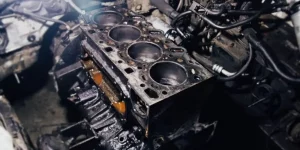
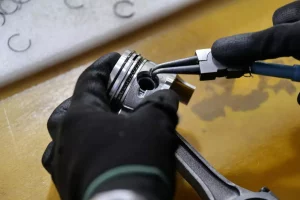
It’s also essential to consider the vehicle’s overall health, including the condition of the engine’s compression. Low compression in cylinder 2 can stem from various issues, such as worn piston rings, a blown head gasket, or leaking valves. A compression test can provide valuable insights into the engine’s condition. If the compression readings are below the manufacturer’s specifications, further investigation is warranted. In such cases, the repair may be more complex and could involve significant engine work.
Another factor to consider is the engine management system. Faulty sensors, such as the crankshaft position sensor or camshaft position sensor, can lead to timing issues that may cause misfires. If the timing is off, the air-fuel mixture may not ignite at the right moment, resulting in a misfire. Scanning the vehicle’s onboard diagnostics system can help identify any related trouble codes that point toward sensor issues. It’s not uncommon for these sensors to fail over time, especially in older vehicles or those with high mileage.
Environmental and Operational Factors
Environmental conditions can also play a significant role in misfires. For instance, extreme temperatures – whether hot or cold – can affect various engine components. In hot weather, engine components may expand, leading to changes in tolerances that could contribute to misfires. Conversely, cold weather can lead to fuel mixture issues, as the fuel may not vaporize correctly in low temperatures. These environmental factors can exacerbate existing issues or even trigger new ones, particularly if the vehicle has pre-existing vulnerabilities.
Another operational aspect to consider is driving habits. Frequent short trips can prevent the engine from reaching optimal operating temperature, leading to incomplete combustion and potential misfires. Similarly, prolonged idling can cause carbon buildup, which can affect the ignition system and fuel injectors, increasing the likelihood of misfires. Recognizing these patterns can provide insight into whether the misfire is a symptom of broader operational issues.
Real-World Scenarios
Over the years, I have seen numerous instances where a simple misfire code led to more extensive diagnostics. One particular case involved a late-model pickup truck that exhibited a persistent P0302 code. Initial checks of the ignition system showed no faults, but further investigation revealed that the fuel injector for cylinder 2 was partially clogged. Cleaning the injector resolved the issue, restoring normal operation.
In another scenario, an older sedan was brought in with a P0302 code and noticeable performance issues. A compression test revealed significantly low compression in cylinder 2 due to worn piston rings. This situation required a complete engine overhaul, illustrating how a seemingly straightforward misfire can indicate deeper mechanical problems.
It’s important to approach diagnostics with a comprehensive mindset. While the misfire may initially appear to be a straightforward issue related to the ignition or fuel system, it can often be a symptom of more complex underlying problems. This understanding is crucial for effective troubleshooting and repair.
In summary, diagnosing a cylinder 2 misfire requires a multifaceted approach. It’s essential to examine the ignition system, fuel delivery, engine compression, and engine management components. Environmental conditions and driving habits also play critical roles in the manifestation of misfires. Each vehicle presents unique challenges, and experience in recognizing patterns can significantly aid in effective diagnosis and repair. By maintaining a thorough understanding of these factors, automotive professionals can address misfires more effectively and ensure the longevity and performance of the vehicles they service.