In the realm of automotive maintenance, the fuel system often becomes a focal point of concern when vehicles exhibit performance issues. Having spent many years working on a variety of passenger cars, pickup trucks, and commercial vehicles, I have encountered a range of fuel system-related problems that can significantly affect drivability. Understanding how these systems operate and recognizing the symptoms of failure can be key to effective diagnosis and repair.
The fuel system is designed to deliver the correct amount of fuel to the engine, ensuring optimal combustion and performance. It consists of several components, including the fuel tank, fuel pump, fuel filter, injectors, and various sensors. Each part plays a crucial role in maintaining the efficiency and reliability of the vehicle. However, over time, these components can wear out or become compromised, leading to a host of issues.
One of the most common problems I have encountered is fuel pump failure. The fuel pump is responsible for moving fuel from the tank to the engine, and it operates under significant stress, especially in vehicles that are frequently driven in demanding conditions. High temperatures and prolonged use can lead to pump wear, which may manifest as difficulty starting the engine, stalling during operation, or a noticeable drop in power. In some cases, a failing pump may produce a whining noise, indicating that it is struggling to maintain the necessary pressure.
Fuel filters are another critical component that often goes overlooked. Their primary function is to trap contaminants and debris that could otherwise damage the fuel injectors or the engine. A clogged fuel filter can restrict fuel flow, resulting in poor engine performance, rough idling, and even misfires. In vehicles where the filter is not regularly replaced, I have seen instances where the engine struggles to reach high RPMs or loses power during acceleration. The symptoms can be particularly pronounced in older models where the fuel system is less forgiving of neglect.
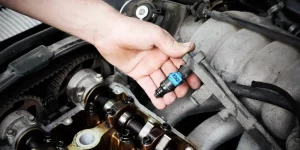
Injectors are vital for delivering fuel into the combustion chamber, and issues with them can lead to serious performance problems. Clogged or malfunctioning injectors can cause uneven fuel distribution, resulting in misfires, rough running conditions, or increased emissions. In my experience, injectors can become fouled by carbon deposits, especially in vehicles that use lower-quality fuels or have not been maintained properly. This fouling can lead to a noticeable drop in fuel efficiency and increased engine noise, which may prompt drivers to seek repairs.
Another area of concern is the fuel pressure regulator. This component is responsible for maintaining the appropriate fuel pressure in the system. A faulty regulator can either allow too much pressure, leading to fuel flooding, or too little pressure, causing the engine to starve for fuel. In my observations, symptoms of a failing regulator may include hard starts, engine stalling, or erratic fuel gauge readings. The pressure regulator is often overlooked during routine maintenance, yet its failure can have cascading effects on the entire fuel system.
Environmental Factors and Fuel System Performance
Environmental conditions play a significant role in the performance and longevity of fuel system components. For instance, extreme temperatures can exacerbate wear on the fuel pump and injectors. In colder climates, the risk of fuel gelling increases, which can lead to pump strain and clogging of fuel lines. Conversely, in hot climates, the fuel can vaporize, causing vapor lock and preventing the engine from receiving the necessary fuel. These conditions can lead to intermittent performance issues that may be difficult to diagnose.
Additionally, fuel quality is paramount. Using low-quality or contaminated fuel can lead to rapid degradation of fuel system components. I have seen cases where vehicles that consistently used lower-grade fuels experienced injector fouling and fuel filter clogs much sooner than those using higher-quality options. Regularly monitoring fuel quality and being aware of the signs of contamination can help mitigate some of these issues.
Symptoms of Fuel System Problems
Identifying fuel system problems often involves recognizing a pattern of symptoms. A common scenario I have observed is a combination of hard starting and poor acceleration. These symptoms can indicate a failing fuel pump or clogged fuel filter. In some cases, drivers may notice a decrease in fuel efficiency alongside rough idling, further suggesting that the fuel system is not operating optimally.
Another symptom worth noting is the presence of a strong fuel odor, which can indicate a leak in the system. Fuel leaks are dangerous and can lead to fire hazards; they should be addressed immediately. Common leak points include fuel lines, connections, and the fuel tank itself. Regular inspections can help spot these issues before they escalate.
In my experience, performing a systematic check of the fuel system when these symptoms arise can save time and reduce repair costs. Utilizing diagnostic tools to monitor fuel pressure and flow rates can help pinpoint issues more accurately. For example, if a vehicle is experiencing poor acceleration, checking the fuel pressure against manufacturer specifications can reveal whether the issue lies with the pump or the regulator.
Long-Term Effects of Neglect
Neglecting the fuel system can lead to more than just immediate performance issues. Over time, a poorly functioning fuel system can cause significant engine damage. For instance, if injectors become excessively clogged, they can lead to uneven combustion, resulting in increased wear on engine components. Similarly, a failing fuel pump can lead to starvation of the engine, causing it to run lean and potentially resulting in catastrophic failure.
Regular maintenance is essential to avoid these issues. Changing the fuel filter at recommended intervals, using quality fuels, and addressing any symptoms promptly can extend the lifespan of the fuel system. Furthermore, understanding the interaction between various components can prevent a cascade of failures that may arise from a single point of neglect.
Ultimately, the fuel system is a critical aspect of vehicle performance that deserves careful attention. The realities of wear and environmental impacts mean that issues can arise unexpectedly. Being aware of the symptoms and understanding the underlying components can help in diagnosing problems before they escalate, ensuring that vehicles remain reliable and efficient.