The presence of coolant in engine oil is a problem that many experienced mechanics encounter over the years. This condition, known as coolant contamination, often indicates deeper issues within the engine or the cooling system. It can manifest in various ways, from milky oil under the oil cap to abnormal readings on the dipstick. Observing these symptoms can be alarming, and understanding the underlying causes is crucial for effective diagnosis and repair.
At its core, coolant mixing with oil typically points to a failure in the engine's sealing systems. This can occur due to a blown head gasket, a cracked engine block, or a failed intake manifold gasket. Each of these failures has specific characteristics and implications for the engine's health.
### Signs of Coolant Contamination
When coolant and oil mix, the first sign is often a visual one. A milky or frothy appearance on the dipstick or under the oil cap is a classic indicator. This emulsion results from the mixing of oil and coolant, creating a substance that is thicker than oil alone. In severe cases, the oil can take on a chocolate milk-like appearance.
Another sign to watch for is the presence of coolant in the oil pan. If the oil drain plug is removed and a milky fluid seeps out, it is a strong indication of contamination. Engine performance can also suffer, leading to symptoms such as rough idling, loss of power, and overheating. In extreme situations, the engine may overheat due to insufficient lubrication, as the contaminated oil loses its ability to properly lubricate engine components.
### Common Causes of Coolant Mixing with Oil
The most frequent cause of coolant entering the oil system is a blown head gasket. This gasket seals the cylinder head to the engine block, maintaining compression and preventing coolant and oil from mixing. When it fails, it can create a pathway for coolant to enter the oil passages. This scenario is more prevalent in engines that have been subjected to overheating or excessive load over time.
Another common culprit is a cracked engine block or cylinder head. These failures can occur due to manufacturing defects or as a result of thermal stresses that develop over time. A crack may allow coolant to seep into the oil passages. Unlike a blown head gasket, which can sometimes be repaired without major disassembly, a cracked block often requires extensive work and can lead to significant repair costs.
Intake manifold gasket failures are another potential source of coolant contamination. These gaskets seal the intake manifold to the cylinder head and can deteriorate over time. If the gasket fails, coolant can leak into the engine’s oil system, leading to contamination.
### Factors Influencing Failure
Several factors can influence the likelihood of coolant mixing with oil. Temperature fluctuations are a significant concern. Engines that frequently experience overheating are at a higher risk for head gasket failure. High temperatures can weaken the gasket material, leading to a loss of sealing integrity.
Load and usage patterns also play a role. Vehicles that are frequently operated under heavy loads or in stop-and-go traffic may experience increased thermal stress. This stress can accelerate wear on engine components and increase the likelihood of gasket and seal failures.
Time is another critical factor. As vehicles age, gaskets and seals naturally degrade. Regular maintenance and inspections can help identify early signs of wear, allowing for timely repairs before serious issues arise.
### Implications of Coolant in Oil
The presence of coolant in oil is not merely an inconvenience; it can lead to significant engine damage if left unaddressed. Oil contaminated with coolant loses its lubricating properties. This can result in increased friction and wear on engine components, leading to premature failure. Over time, this condition can cause serious damage to bearings, camshafts, and other critical engine parts.
Additionally, if the engine continues to run with contaminated oil, it risks catastrophic failure. A complete engine rebuild or replacement may be necessary if the damage is extensive. The costs associated with such repairs can be substantial, often far exceeding the cost of addressing the issue early on.
### Diagnostic Approaches
Diagnosing coolant contamination involves a systematic approach. Mechanics typically start with a visual inspection of the oil and coolant. A milky appearance in the oil is an immediate red flag. From there, a series of tests can be conducted to confirm the source of the contamination.
One common test is a compression test, which can help identify a blown head gasket. A significant drop in compression in one or more cylinders may indicate a failure. A cooling system pressure test can also be valuable. By pressurizing the cooling system, mechanics can check for leaks, including those that could lead to coolant entering the oil system.
Oil analysis can provide additional insights. Sending a sample of the oil to a lab for analysis allows for the detection of coolant in the oil, as well as wear metals that can indicate the extent of damage to engine components.
### Repair Considerations
Addressing coolant contamination typically requires replacing the faulty components. If a blown head gasket is identified, the engine will need to be disassembled to replace the gasket. This process often involves resurfacing the cylinder head to ensure a proper seal.
If a cracked block or cylinder head is the issue, the repair may be more complex. Depending on the severity of the crack, options range from welding to replacing the entire engine block. Intake manifold gasket replacements are generally less invasive, but they still require careful attention to ensure that the new gasket is installed correctly.
### Preventive Measures
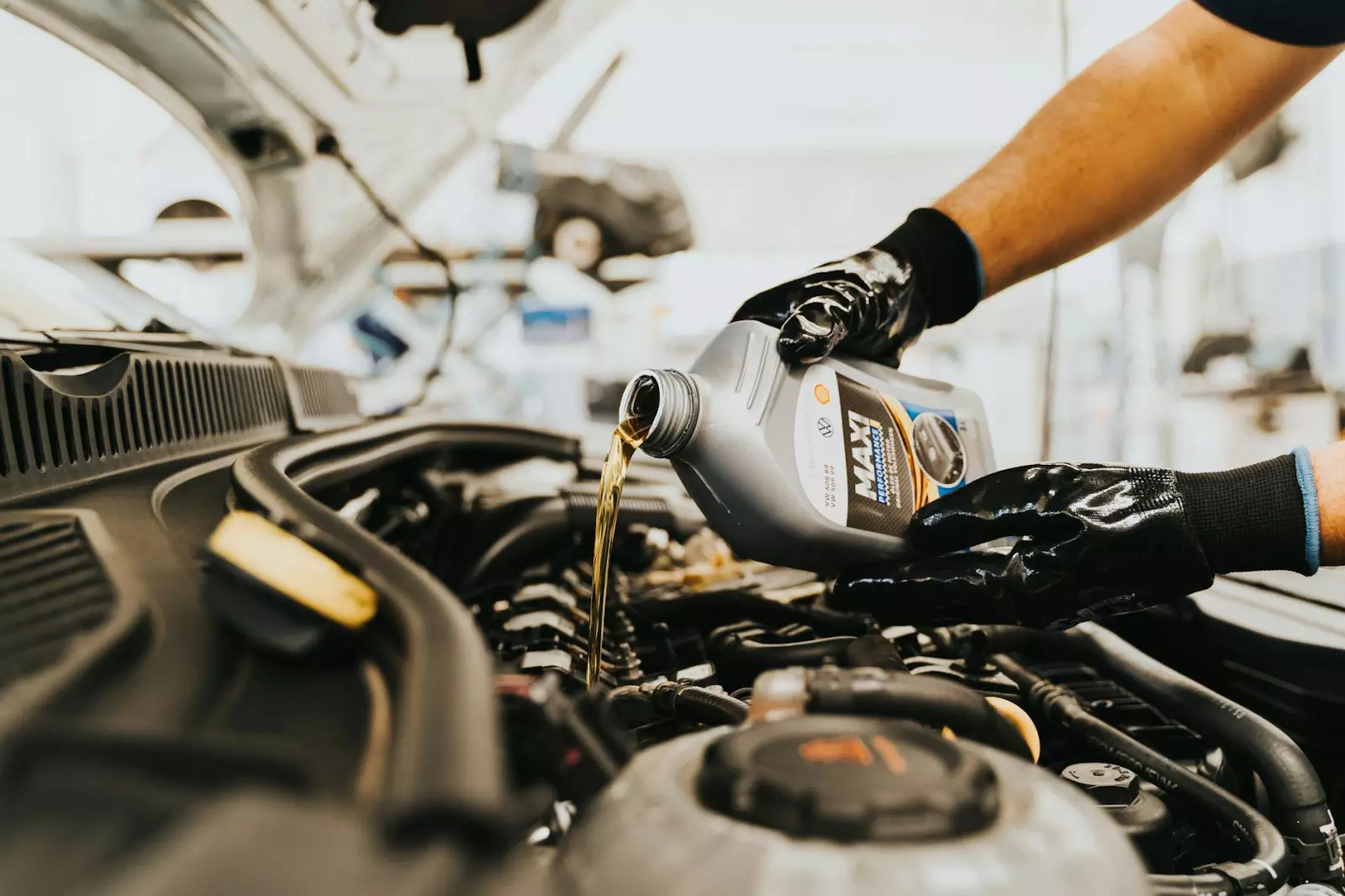
While some factors leading to coolant contamination are beyond control, regular maintenance can minimize the risk. Monitoring coolant levels and checking for signs of leaks can help catch issues early. Regular oil changes using high-quality oil can also improve engine health and reduce the likelihood of contamination.
Keeping an eye on engine temperatures is crucial. If an engine consistently runs hot, it’s essential to investigate the underlying causes, whether they involve the cooling system or engine components.
### Conclusion
Coolant mixing with engine oil is a serious issue that should not be ignored. The implications for engine health are significant, and addressing the root cause early can save time and money in the long run. Familiarity with the symptoms and causes of this condition can empower vehicle owners and mechanics alike to take appropriate action. Observing engine behavior, maintaining cooling systems, and keeping a vigilant eye on oil condition are practical steps toward maintaining engine integrity and performance.