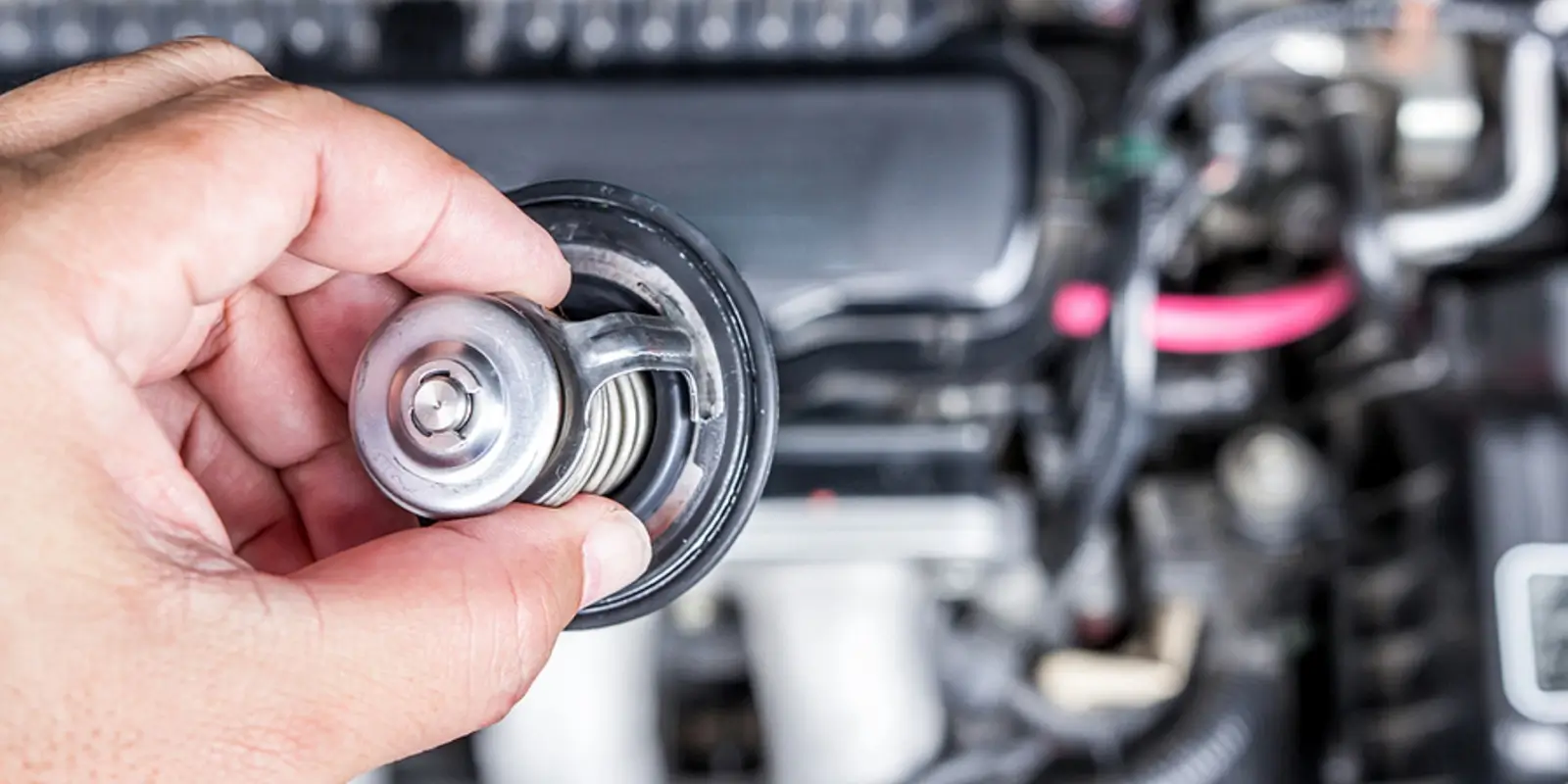
The thermostat is a small but vital component in an automotive cooling system, responsible for regulating the engine’s temperature. Over the years, I have encountered numerous vehicles with thermostat-related issues, and the symptoms often manifest in ways that can be misleading. Understanding these symptoms and their implications can be crucial for maintaining engine performance and longevity.
When a thermostat fails, it can either get stuck open or closed. Each failure mode presents distinct symptoms and consequences. A stuck-open thermostat allows coolant to flow continuously through the engine, preventing it from reaching its optimal operating temperature. This can lead to reduced engine efficiency, increased emissions, and poorer fuel economy. In colder climates, a vehicle may struggle to warm up, resulting in inadequate cabin heat and increased wear on engine components due to prolonged cold operation.
Conversely, a stuck-closed thermostat can cause coolant to become trapped in the engine, leading to overheating. This scenario is particularly problematic, as the engine can quickly reach dangerous temperatures, risking severe damage such as warped cylinder heads or blown gaskets. I have seen cases where vehicles have suffered catastrophic engine failures due to this seemingly minor component not functioning as intended.
The symptoms of a failing thermostat can be subtle at first. For instance, a vehicle may exhibit fluctuating temperature readings on the gauge, which can be misdiagnosed as an issue with the temperature sensor or the gauge itself. In some instances, drivers might notice a delay in cabin heat, which can be mistaken for a low coolant level or a failing heater core. These misinterpretations can lead to unnecessary repairs, extending the time and cost of resolving the actual issue.
In my experience, a common oversight occurs when technicians focus solely on the temperature readings without considering the full context. For example, if a vehicle is running cool, it’s easy to assume that the thermostat is functioning correctly, particularly if the engine runs smoothly. However, if the engine consistently operates below its optimal temperature, it can lead to long-term issues such as increased wear on the oil and components due to insufficient thermal expansion and lubrication.
Thermostats can also fail due to external factors. Contaminated coolant or a system that hasn’t been properly maintained can lead to scale buildup or corrosion, which affects the thermostat’s operation. Regular coolant changes and system flushes can mitigate these risks, but many vehicles on the road do not receive this level of maintenance. I have encountered engines where a simple thermostat replacement resolved a myriad of performance issues that had been attributed to more complex problems.
Another aspect to consider is the thermostat’s design and location within the cooling system. Some vehicles have their thermostats positioned in areas that make them difficult to access, leading to extended downtimes during repairs. In certain cases, a technician may inadvertently disturb other components while attempting to replace a thermostat, leading to additional issues down the line. The design of the cooling system plays a crucial role in the ease of maintenance and should be a consideration for vehicle owners and technicians alike.
Temperature ranges also play a significant role in thermostat functionality. Most automotive thermostats are designed to open at specific temperatures, typically around 180°F to 200°F (82°C to 93°C). If an engine consistently runs below this threshold, it can lead to carbon buildup in the combustion chamber, affecting performance. On the flip side, if the thermostat fails to open when it should, the engine can quickly overheat, resulting in damage that may not be immediately visible.
The implications of a thermostat failure extend beyond immediate performance issues. For instance, when an engine operates outside its optimal temperature range, it can lead to increased fuel consumption and emissions, which can affect compliance with environmental standards. This is particularly relevant for commercial vehicles that must adhere to stringent regulations.
Moreover, understanding the typical lifespan of a thermostat can aid in preventive maintenance. Many thermostats can last between 10 to 15 years, but factors such as driving conditions, coolant quality, and overall vehicle maintenance can influence this lifespan. I have seen thermostats fail much sooner in vehicles subjected to extreme conditions, such as heavy towing or frequent short trips, which don’t allow the engine to reach its optimal temperature.
Real-world scenarios often reveal that a thermostat replacement can be an effective solution to a range of engine performance problems. In one case, a customer brought in a pickup truck that had been experiencing intermittent overheating and poor fuel economy. After a thorough diagnosis, it was determined that the thermostat was stuck closed, leading to excessive heat buildup. Replacing the thermostat not only resolved the overheating issue but also improved fuel economy significantly, showcasing the ripple effect that a single component can have on overall vehicle performance.
In summary, while a thermostat may seem like a minor component in the grand scheme of an automotive cooling system, its role is critical. Understanding the common failure modes, symptoms, and implications of a malfunctioning thermostat can save vehicle owners from unnecessary repairs and potential engine damage. It’s important to approach cooling system issues holistically, considering both the immediate symptoms and the long-term effects on vehicle health.