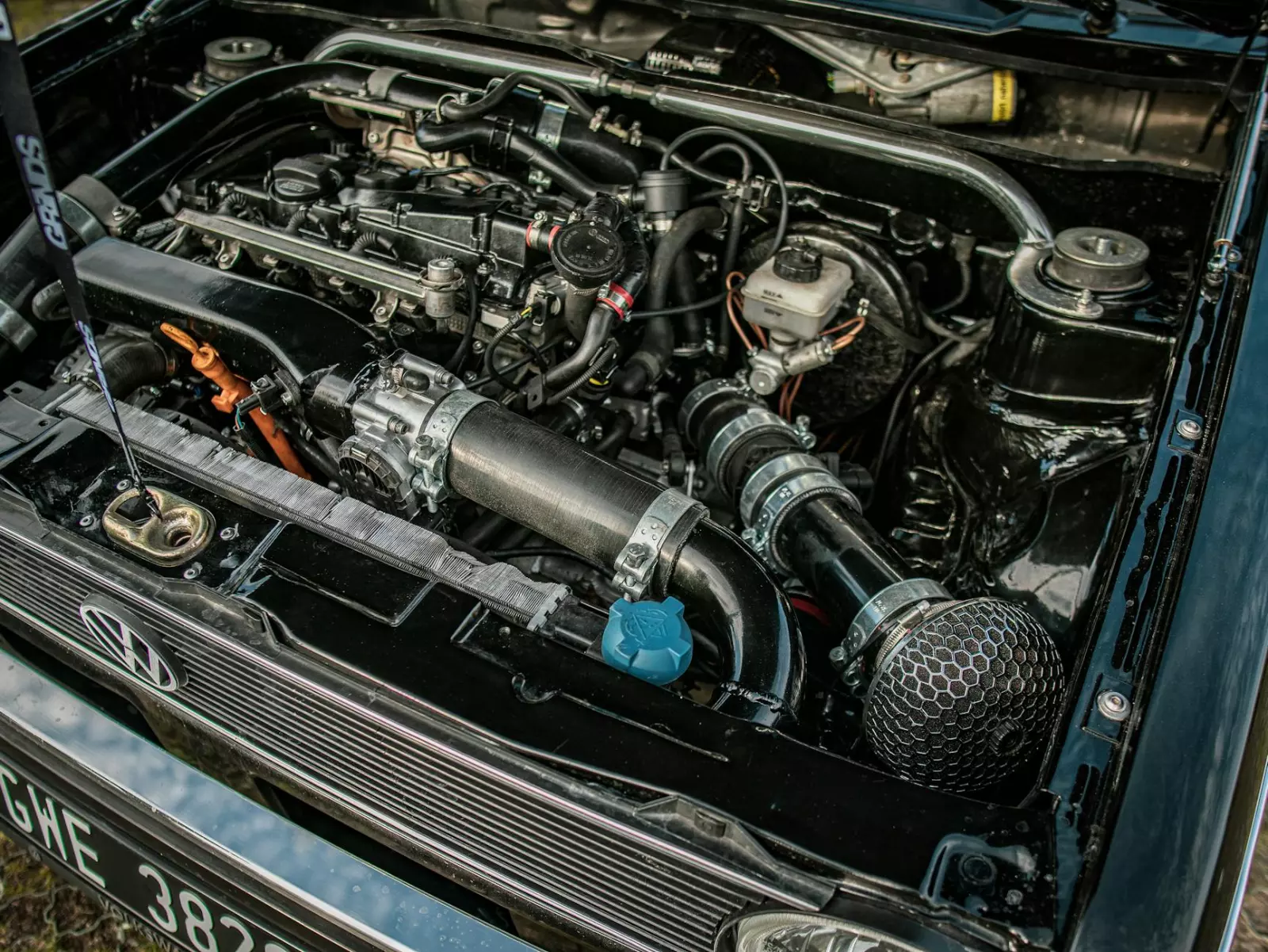
The radiator is a critical component of a vehicle’s cooling system, tasked with dissipating heat generated by the engine. While many drivers may not give it much thought until a problem arises, those who have spent time in automotive repair can attest to the frequency and variety of issues associated with radiators. Over the years, I’ve witnessed firsthand how certain symptoms can signal an impending failure, as well as how neglecting these signs can lead to more significant problems down the road.
One of the most common issues I have encountered is the gradual buildup of debris and corrosion within the radiator itself. This can often be traced back to the use of substandard coolant or the neglect of regular maintenance. When coolant isn’t changed at appropriate intervals, it can lose its effectiveness, leading to rust and scale formation inside the radiator. This buildup restricts coolant flow, impairing the radiator’s ability to transfer heat and ultimately leading to overheating. In high-load situations, such as towing or driving in stop-and-go traffic, the effects are exacerbated, often resulting in a complete failure.
Another frequent issue I have observed is leaks. Radiators can develop leaks due to metal fatigue, corrosion, or damage from road debris. In many cases, these leaks may start small and go unnoticed until they become larger and more problematic. It’s not uncommon for a driver to notice a puddle of coolant under their vehicle without realizing that the leak has been ongoing for some time. In my experience, the location of the leak can provide important clues. For instance, leaks at the seams or near the plastic tanks often indicate a need for replacement, whereas pinhole leaks in the core might suggest a less severe situation that could be patched temporarily.
Symptoms and Diagnosis
Recognizing the symptoms of radiator problems is essential for timely intervention. A common early warning sign is the temperature gauge on the dashboard moving into the red zone. This is an indication that the engine is overheating, which can lead to severe engine damage if ignored. In many vehicles, the engine management system will trigger a check engine light or a temperature warning, providing another layer of warning before a catastrophic failure occurs.
Additionally, drivers might notice a sweet smell of coolant or steam rising from the engine bay, both of which are signals that coolant is escaping the system. The presence of coolant in the engine oil can also indicate a blown head gasket, a serious issue that may coincide with radiator failure. In these scenarios, the radiator may not be the root cause, but addressing it becomes crucial to preventing further damage to the engine.
Replacement Costs and Considerations
The cost of replacing a radiator can vary significantly based on several factors, including the make and model of the vehicle, the location of the repair shop, and whether the replacement part is OEM or aftermarket. In a general sense, the total cost for parts and labor can range from a few hundred to over a thousand dollars. For instance, replacing a radiator on a common passenger car may cost around $500 to $800, while larger vehicles or those with more complex systems, such as heavy-duty trucks, could see costs exceeding $1,200.
When considering a radiator replacement, it’s important to assess not just the immediate costs but also the potential for further issues. For example, if the radiator has failed due to a systemic problem, such as a malfunctioning water pump or a clogged cooling system, those issues must be addressed simultaneously to prevent premature failure of the new radiator. Additionally, the condition of associated components, such as hoses and the thermostat, should be evaluated. Often, these parts can wear out in tandem, and replacing them along with the radiator may save future labor costs and prevent additional downtime.
Real-World Scenarios and Edge Cases
In my experience, there are instances where a simple radiator replacement may not be sufficient. For example, vehicles that frequently operate in extreme conditions – such as high-performance sports cars or commercial vehicles – may require specialized cooling systems. These vehicles are often equipped with larger radiators, additional cooling fans, or even auxiliary coolers for components like the transmission. In these cases, the cost and complexity of a radiator replacement can increase significantly.
Another edge case involves vehicles that have experienced prolonged overheating. If a vehicle has been driven with a failing radiator for an extended period, it may have sustained damage to other engine components, such as the cylinder head or gaskets. This situation complicates the diagnosis and repair process, as the initial symptom (a cooling issue) may mask underlying engine damage that needs to be addressed. In such cases, a full inspection is essential to determine the extent of the damage.
Additionally, some vehicles feature integrated cooling systems that combine the radiator with other components, such as intercoolers or oil coolers. The replacement process for these integrated systems can be more involved, requiring specialized knowledge and tools. This complexity can further impact both the cost and the time required for the repair.
Preventive Measures
While radiator failures can be inevitable, there are steps that can be taken to mitigate the risk. Regular maintenance, including coolant flushes and inspections of the cooling system, can help identify potential problems before they escalate. Monitoring the condition of hoses and clamps is also crucial, as these components can degrade over time and contribute to leaks. In my experience, maintaining a clean cooling system helps ensure that the radiator operates efficiently, reducing the likelihood of overheating and extending the lifespan of the component.
Temperature extremes can also impact radiator performance. Vehicles operating in consistently high temperatures or those that frequently tow heavy loads are at increased risk of overheating. In such cases, upgrading to a high-capacity radiator or adding auxiliary cooling systems can provide additional safeguards against heat-related failures.
Ultimately, the radiator serves as a vital component of the vehicle’s overall health. Recognizing early signs of trouble, understanding the broader implications of radiator failure, and maintaining a proactive approach to vehicle care can make a significant difference in both performance and longevity.
As I’ve seen throughout my years in automotive repair, the radiator is often overlooked until it causes a problem. By the time a driver pays attention, they may be facing higher costs and more extensive repairs. A thorough understanding of the cooling system, coupled with regular maintenance, can help prevent these issues from arising in the first place.