The 2013 Ford Escape is a compact SUV that has seen a fair share of use on the road. As with many vehicles, the cooling system is critical to maintaining engine health. One common issue that arises is the need to bleed air from the radiator, particularly after maintenance involving coolant replacement or repairs to the cooling system. This task, while seemingly straightforward, can present a range of challenges that I have encountered in my years of working with automotive systems.
Air trapped in the cooling system can lead to overheating, poor heater performance, and other complications. The process of bleeding the radiator aims to remove these air pockets and ensure that the coolant flows freely throughout the system. However, there are nuances to consider that can complicate this process.
Understanding the Cooling System
The cooling system in the Ford Escape consists of several components: the radiator, water pump, thermostat, hoses, and the engine itself. Each part plays a role in regulating temperature and ensuring that the engine operates efficiently. When coolant is drained for any reason – be it a routine flush, a leak, or a component replacement – air can enter the system. This is particularly true if the system is not sealed properly or if the coolant is not filled correctly.
When air is trapped in the system, it can create hot spots that lead to overheating. The water pump, designed to circulate coolant, may struggle to push fluid past these pockets of air, leading to inefficient cooling. It’s not uncommon for me to see vehicles with this issue, especially after a coolant change where the proper bleeding procedure may have been overlooked.
Common Symptoms of Air in the System
There are several indicators that air may be trapped in the cooling system. One of the most noticeable is fluctuating temperature readings on the gauge. If the engine temperature spikes unexpectedly or fluctuates erratically, it could signal air pockets. Additionally, reduced heater output is a common symptom; if the cabin heater blows cold air or is inconsistent, it suggests that coolant flow is impeded.
In some cases, you may even hear unusual sounds, such as gurgling or bubbling noises coming from the radiator or the engine bay. These sounds can be alarming and are often a sign that air is trapped within the system. Observing these symptoms early can prevent more severe issues down the line, including engine damage.
Practical Observations from the Field
In my experience, the bleeding process for the 2013 Ford Escape often requires more than simply opening a bleeder valve and waiting for coolant to flow. The vehicle’s design can make it tricky. For instance, positioning plays a crucial role; the vehicle should ideally be on a level surface to ensure that air can escape properly. If the front of the vehicle is elevated, it can lead to further complications as air may not rise to the bleeder point effectively.
When working on these vehicles, I have found that starting the engine and allowing it to reach operating temperature can help. This action encourages the thermostat to open, allowing coolant to circulate and air to escape. However, it’s essential to monitor the temperature gauge closely during this process, as overheating can occur if air pockets are not effectively managed.
Tools and Techniques for Effective Bleeding
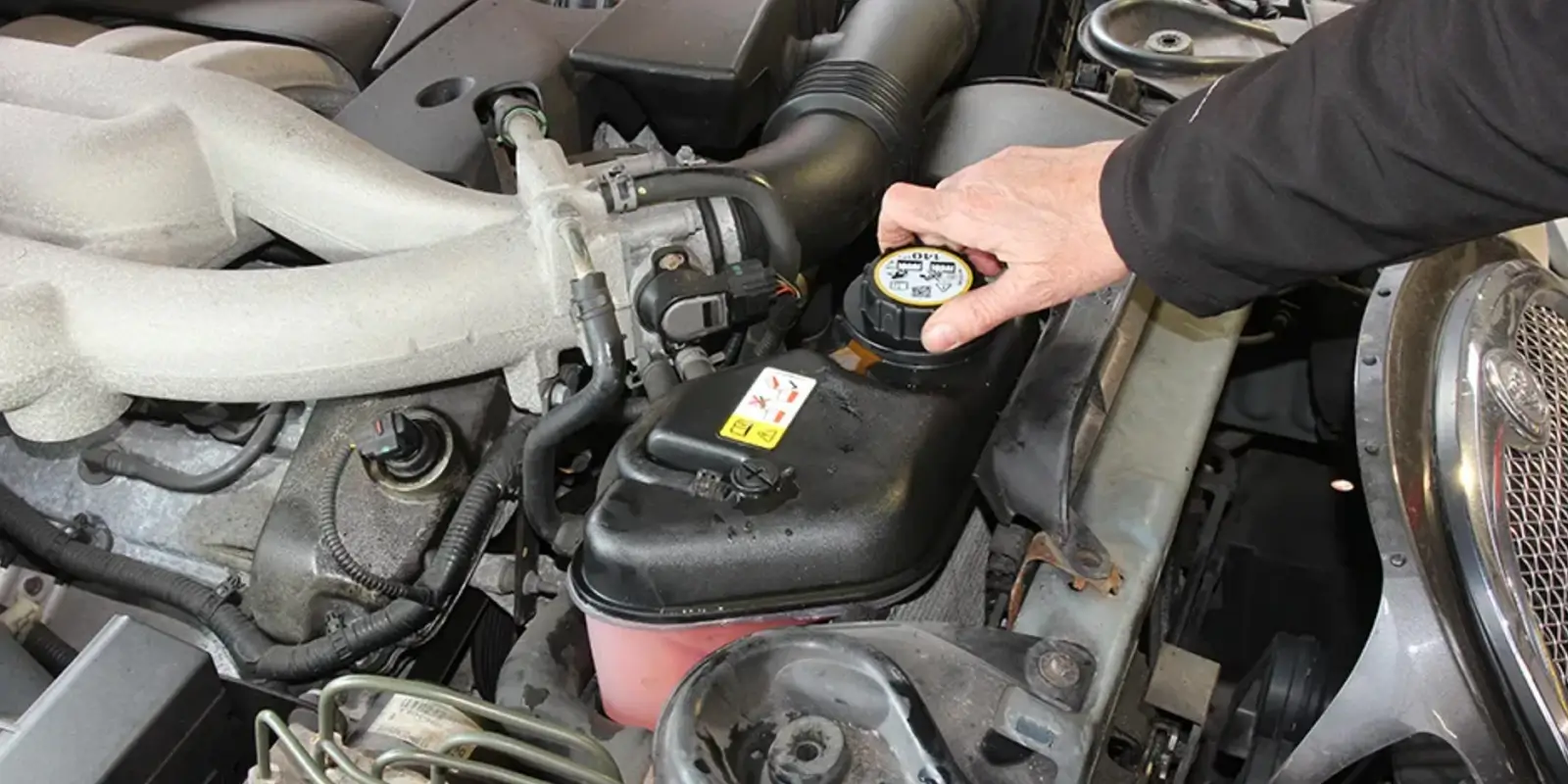
While the tools required for bleeding a radiator are minimal, having the right ones can make a significant difference. A simple funnel can be used to fill the radiator and help prevent air from entering the system during the fill process. Some technicians prefer using a vacuum fill tool, which can be beneficial for removing air without introducing more into the system. This method, while not always necessary, can save time and ensure a more thorough bleed.
For those who opt for a more manual approach, it’s crucial to monitor coolant levels closely. As the engine runs, coolant may drop below the fill neck as air escapes. Topping off the coolant periodically during the process can help maintain proper levels and prevent the system from drawing in more air.
Potential Complications
It’s important to recognize that bleeding the radiator is not always a panacea for overheating issues. In some cases, persistent overheating may indicate underlying problems such as a failing thermostat, a malfunctioning water pump, or even a clogged radiator. If bleeding does not resolve the issue, further diagnosis is necessary to identify and rectify the root cause. I have seen instances where technicians assume a simple bleed will fix the problem, only to discover that deeper issues require attention.
Additionally, the quality of the coolant can play a role in the performance of the cooling system. Using the wrong type of coolant or mixing different types can lead to corrosion or ineffective cooling. It’s essential to adhere to manufacturer specifications to ensure compatibility and performance.
Final Thoughts
Bleeding the radiator of a 2013 Ford Escape may seem like a straightforward task, but it carries its own set of challenges. Real-world observations suggest that attention to detail during the process can prevent more significant issues down the line. Understanding the nuances of the cooling system and recognizing symptoms of air in the system can save time and prevent costly repairs. As with many automotive tasks, patience and careful observation are key to achieving a successful outcome.
In my experience, maintaining a keen awareness of the vehicle’s behavior post-bleed can provide invaluable insights into the overall health of the cooling system. Whether it’s monitoring temperature gauges or observing heater performance, these details are crucial in ensuring that the vehicle remains in optimal running condition.