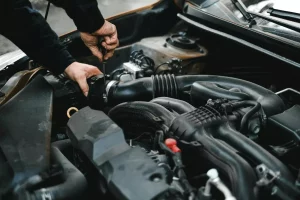
Throttle bodies serve a vital role in the performance and efficiency of modern vehicles. They regulate the amount of air entering the engine, which directly influences fuel combustion and, consequently, engine power. While many drivers may not think about this component regularly, those of us who work in the automotive field often encounter various issues related to throttle bodies. These problems can arise due to wear and tear, environmental factors, or even design flaws. Understanding these challenges can help in diagnosing engine performance issues more effectively.
One of the most common issues I have observed is carbon buildup within the throttle body. This phenomenon is particularly prevalent in vehicles equipped with gasoline direct injection engines. In these engines, fuel is injected directly into the combustion chamber, which leads to less fuel washing over the intake valves. Over time, this lack of cleaning can result in significant deposits forming on the throttle body and intake manifold. The carbon buildup restricts airflow, which can lead to a rough idle, stalling, and poor acceleration. In some cases, the check engine light may illuminate, indicating that the engine is not operating within its intended parameters.
Another frequent issue is the failure of the throttle position sensor (TPS), which is integral to the throttle body assembly. This sensor monitors the position of the throttle plate and sends this information to the engine control unit (ECU). If the TPS fails or becomes faulty, it can lead to erratic engine behavior. Symptoms may include unresponsive acceleration, sudden drops in engine power, or even a complete loss of throttle response. These problems are often exacerbated by extreme temperatures, as heat can cause the sensor’s components to expand and contract, leading to inconsistent readings.
Environmental Factors and Their Impact
Environmental conditions play a significant role in the longevity and performance of throttle bodies. For instance, vehicles operating in areas with high humidity or heavy rainfall may experience increased moisture exposure. This moisture can lead to corrosion of the throttle body and its components. Over time, this corrosion can compromise the integrity of the throttle plate, leading to binding or sticking. Drivers may notice symptoms such as inconsistent acceleration or a throttle that feels “sticky” when pressed.
Furthermore, vehicles that frequently operate in dusty or dirty environments are prone to accelerated wear on the throttle body. Particulate matter can infiltrate the air intake system, leading to abrasive wear over time. This wear can affect the smooth operation of the throttle plate, which may result in a sluggish response when the accelerator is depressed. Regular maintenance, including cleaning the throttle body, can mitigate some of these effects, but it is often overlooked until a problem arises.
Impact of Load and Performance Conditions
Throttle bodies are designed to perform under a variety of load conditions, but excessive load can reveal weaknesses in their design or installation. For instance, vehicles that are regularly loaded beyond their specified capacity may experience premature wear on the throttle body. The increased demand on the engine can lead to higher temperatures, which can exacerbate existing issues like carbon buildup or sensor failure. In heavy-duty applications, such as commercial vehicles, this is a common concern, and it’s not unusual to see throttle body replacements at lower mileage than expected.
Additionally, performance modifications, such as aftermarket intakes or exhaust systems, can also affect throttle body performance. These modifications may change the airflow characteristics, which can lead to a mismatch between the throttle body and the engine’s air-fuel mixture. This can result in poor performance or even engine knocking if the ECU cannot compensate for the altered airflow. It’s essential to ensure that any modifications are compatible with the existing throttle body and the engine management system.
Symptoms of Throttle Body Issues
Recognizing the symptoms of throttle body issues can make a significant difference in timely diagnosis and repair. As mentioned earlier, rough idling and stalling are common signs, but they can also manifest in less straightforward ways. For example, a vehicle may exhibit a delayed throttle response, which can lead to dangerous situations, particularly in stop-and-go traffic. Drivers might find that pressing the accelerator does not result in immediate acceleration, which can be alarming.
In some cases, drivers may notice a drop in fuel efficiency. This can occur because a malfunctioning throttle body can lead to an improper air-fuel mixture, causing the engine to work harder than necessary. If the throttle plate does not open fully or closes too quickly, the engine may consume more fuel to maintain power, leading to increased operational costs. Regular monitoring of fuel economy can provide an early indication of throttle body problems.
Diagnosis and Repair Considerations
Diagnosing throttle body issues often requires a systematic approach. Start by checking for diagnostic trouble codes (DTCs) that may be stored in the ECU. These codes can provide valuable insight into whether the issue is related to the TPS, airflow, or other related systems. Additionally, inspecting the throttle body for physical signs of wear, such as carbon buildup or corrosion, can help pinpoint the problem.
In many cases, cleaning the throttle body can restore functionality, especially if carbon buildup is the primary concern. However, if the sensor is faulty or the throttle body is damaged, replacement may be necessary. When replacing a throttle body, it’s crucial to ensure that the new component is compatible with the vehicle’s engine management system to avoid further complications.
Throttle bodies are often overlooked during routine maintenance, yet they play an essential role in engine performance. Understanding the common issues and symptoms associated with throttle bodies can facilitate more effective diagnostics and repairs. As with many components in a vehicle, early detection and maintenance can prevent more severe problems down the line. Whether dealing with a small passenger car or a heavy-duty truck, the importance of a well-functioning throttle body cannot be overstated.