Maintaining the cooling system of a vehicle is often overlooked, yet it plays a critical role in preventing engine overheating and ensuring optimal performance. The task of flushing and filling the coolant may seem straightforward, but it can present various challenges that require attention to detail and a keen understanding of the system’s mechanics. Through years of experience in automotive repair, I’ve encountered a range of issues related to coolant maintenance that can significantly impact vehicle performance.
The cooling system is designed to regulate engine temperature, absorbing excess heat produced during combustion. Coolant, typically a mixture of water and antifreeze, circulates through the engine, radiator, and heater core, dissipating heat and preventing the formation of deposits and corrosion. Over time, however, this coolant can degrade, leading to reduced effectiveness and increased risk of engine damage. Regularly flushing and refilling the cooling system is essential, but it is not without its pitfalls.
One of the most common issues I’ve observed involves the buildup of sludge and contaminants within the cooling system. This often occurs when the coolant is not changed at recommended intervals, leading to a thick, sludgy substance that can clog passages and restrict flow. In a typical scenario, a vehicle may experience overheating due to a blocked radiator or heater core, which can be traced back to neglected coolant maintenance. The flushing process aims to remove these contaminants, but if not executed correctly, it can exacerbate existing problems.
Challenges in Flushing the System
When flushing the coolant system, the first step is often to drain the old coolant. However, if the vehicle has not been maintained properly, the process can reveal underlying issues. For instance, I have encountered cases where the drain plug is seized due to corrosion, making it difficult to remove. This can lead to frustration and delays, particularly if a technician is unaware of the potential for such issues. In some instances, applying heat or penetrating oil can help, but caution is necessary to avoid damaging the surrounding components.
Once the old coolant is drained, the next step typically involves flushing the system with water or a specialized flush solution. This is where attention to detail is crucial. If the system is not thoroughly flushed, remnants of old coolant can remain, potentially mixing with the new coolant and compromising its properties. I’ve learned that using a garden hose with a nozzle can help ensure that all areas, including the engine block and heater core, are adequately rinsed. However, in some vehicles, accessing certain components can be challenging due to tight spaces or obstructions.
Observing Coolant Quality
During the flushing process, it’s essential to observe the quality of the old coolant. Fresh coolant typically has a vibrant color, depending on the formulation, while degraded coolant may appear dark and murky. In my experience, a change in color can indicate contamination or chemical breakdown. If the coolant smells burnt or has a milky appearance, it may suggest a more severe issue, such as a head gasket failure, which warrants further investigation.
One particularly telling sign is the presence of rust particles or sediment in the old coolant. This is often a result of corrosion within the radiator or engine components. If left unchecked, this corrosion can lead to leaks and the failure of critical components, such as the water pump or thermostat. In cases where significant rust is found, I recommend inspecting the entire cooling system for signs of wear and tear, as replacing just the coolant may not resolve the underlying issues.
Filling the System with New Coolant
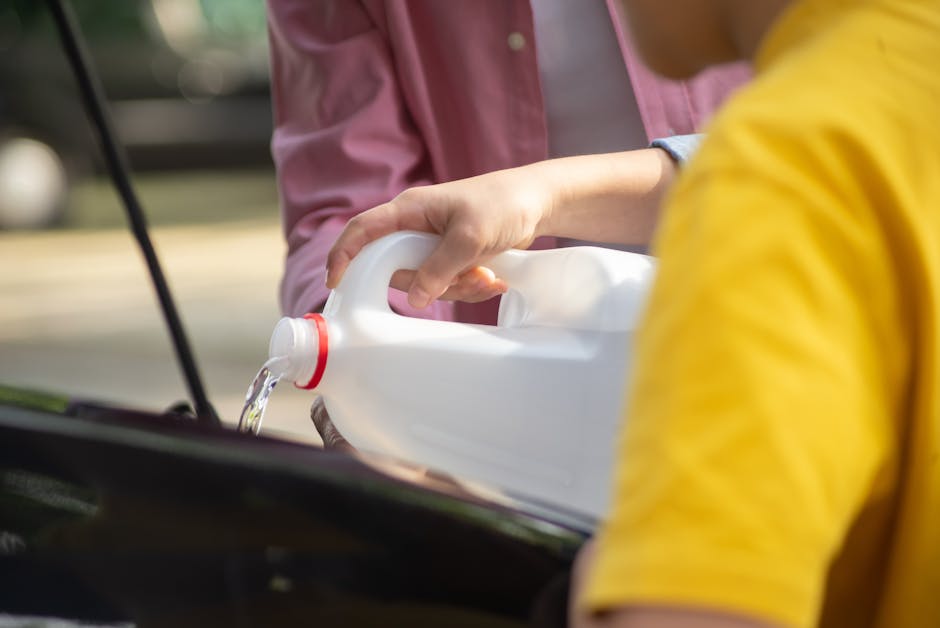
After flushing the system, the next step is to refill it with new coolant. This process may seem straightforward, but it can be fraught with complications. One common mistake is failing to use the correct type of coolant for the vehicle. Different manufacturers have specific requirements regarding coolant formulations, and using the wrong type can lead to compatibility issues, reduced cooling efficiency, and potential damage to the engine. Over the years, I have seen cases where a technician inadvertently mixed two incompatible coolants, leading to the formation of a gel-like substance that clogged the cooling passages.
Another critical aspect of filling the system is ensuring that it is done properly to avoid air pockets. Air trapped within the cooling system can lead to overheating and erratic temperature readings. In my experience, using a vacuum filling tool can help eliminate air pockets by creating a vacuum in the system before introducing the new coolant. However, if such equipment is unavailable, careful monitoring of the coolant level during the filling process is necessary. I often recommend running the engine with the radiator cap off to allow air to escape, but this should be done with caution to avoid burns from hot coolant.
Post-Fill Observations
After the coolant system has been flushed and refilled, monitoring for leaks is crucial. Upon starting the engine, I usually inspect the area around the radiator, hoses, and water pump for any signs of coolant escaping. Even a small leak can lead to significant issues down the line, particularly if the vehicle is regularly subjected to high loads or extreme temperatures. Additionally, I advise clients to keep an eye on the temperature gauge during initial driving after a coolant change. Fluctuations in temperature can indicate underlying problems that may not have been addressed during the maintenance process.
In some instances, vehicles may exhibit symptoms of coolant loss even after a successful flush and fill. This can occur due to hidden leaks in the system, such as a cracked radiator or a failing water pump. In my experience, these leaks can be challenging to detect, particularly if they only manifest under specific conditions, such as high engine loads or prolonged idling. Using a pressure tester can help identify leaks by pressurizing the system and revealing weaknesses that may not be visible during a standard inspection.
Long-Term Considerations
Coolant maintenance is not a one-time event but rather an ongoing process that requires vigilance. Regularly scheduled coolant changes, as recommended by manufacturers, can help prevent many of the issues discussed. However, it is essential to consider the vehicle’s operating conditions. For example, vehicles used in extreme temperatures or under heavy loads may require more frequent coolant changes. Over the years, I have observed that many drivers tend to neglect coolant maintenance until they experience a significant failure, often leading to costly repairs.
In conclusion, while flushing and filling the coolant system may seem like a simple task, it is fraught with potential challenges that require careful attention. From dealing with sludge buildup to ensuring proper coolant type and system integrity, each step is critical to maintaining optimal engine performance. The cooling system plays a vital role in vehicle longevity, and neglecting it can lead to severe consequences. A thorough understanding of these issues, based on real-world experiences, can help automotive professionals and enthusiasts alike navigate the complexities of coolant maintenance effectively.