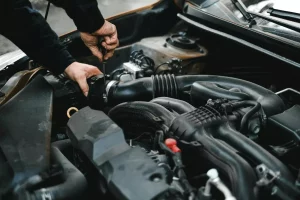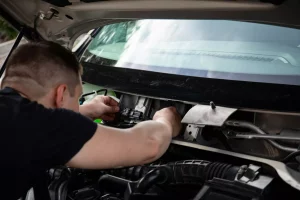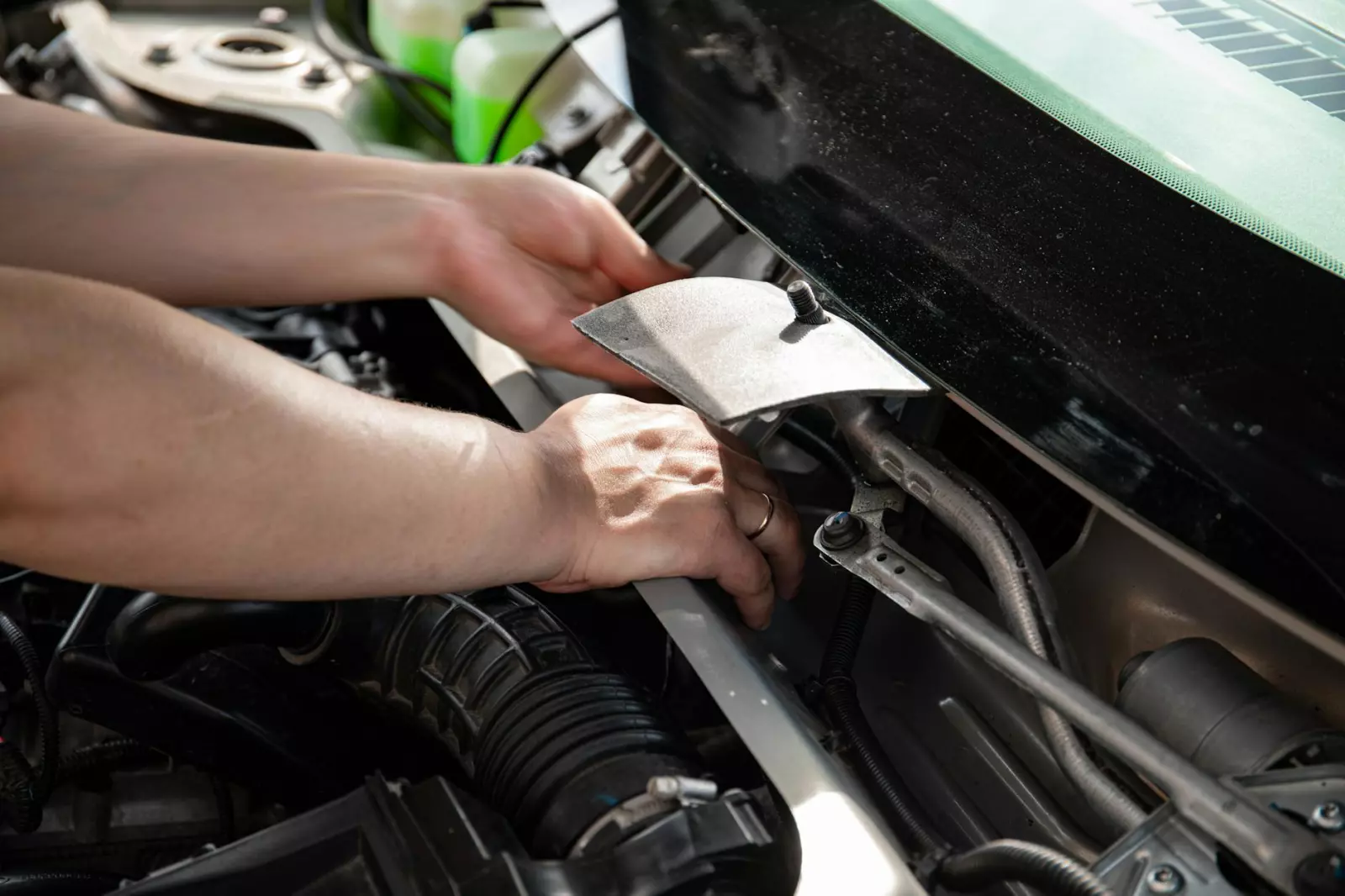
The radiator fan plays a crucial role in maintaining optimal engine temperature, especially when a vehicle is stationary or moving at low speeds. Over the years, I’ve seen numerous cases where a malfunctioning radiator fan has led to overheating, a problem that can easily escalate if ignored. Drivers often notice a spike in the temperature gauge or hear the cooling system struggling before realizing the fan isn’t working as it should.
One common observation is that a radiator fan failure often masquerades as a broader cooling system problem. Drivers might initially suspect a thermostat issue or a coolant leak when the root cause is a non-operational fan. This misdiagnosis can lead to unnecessary repairs or part replacements.
Electrical and Connection Issues
In many instances, the culprit behind a non-working radiator fan is an electrical fault. The fan relies on a series of electrical connections, including relays, fuses, and wiring, to operate. A blown fuse or a faulty relay can disrupt the power supply to the fan, rendering it inactive. Over time, exposure to heat and vibration can cause connectors to loosen or corrode, particularly in older vehicles. A simple visual inspection often reveals burnt-out fuses or corroded terminals, but it’s essential to check these components thoroughly, as intermittent faults can be elusive.
Thermal Switch and Sensor Failures
Vehicles typically have a thermal switch or sensor that activates the radiator fan. This component measures the coolant temperature and signals the fan to turn on when necessary. Faulty sensors can fail to detect the correct temperature, leaving the fan inactive even when the engine is overheating. I’ve encountered situations where the sensor seemed fine at first glance, yet a deeper diagnostic revealed it was sending incorrect readings to the engine control unit (ECU). These subtle failures can be particularly challenging to identify without the right diagnostic tools.
Fan Motor Wear and Tear
The fan motor itself is subject to wear and tear over time. Continuous exposure to the engine bay’s heat and vibration can degrade the motor’s internal components. Symptoms of a failing motor include unusual noises when the fan is running or inconsistent fan speeds. Sometimes, the motor might seize entirely due to internal damage or debris obstructing its movement. Regular maintenance and inspection can help catch these issues early, but I’ve seen many cases where a simple cleaning of the fan blades and motor housing extended the motor’s lifespan significantly.
Impact of Ignoring Radiator Fan Issues
Neglecting a malfunctioning radiator fan can lead to severe engine overheating, resulting in more costly repairs. I’ve seen engines suffer from warped cylinder heads or blown head gaskets due to prolonged exposure to high temperatures. These issues not only affect the engine’s performance but also significantly reduce its overall lifespan. Drivers may initially dismiss a slightly elevated temperature gauge reading, but consistent high temperatures are a red flag that should prompt immediate investigation.
In summary, while a non-working radiator fan is a common issue, it often signals underlying problems that require attention. Regular inspections and prompt diagnosis can prevent minor issues from escalating into significant repairs. Understanding the symptoms and causes of radiator fan failure can save time and money, ensuring the vehicle operates smoothly and efficiently.