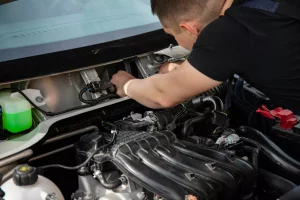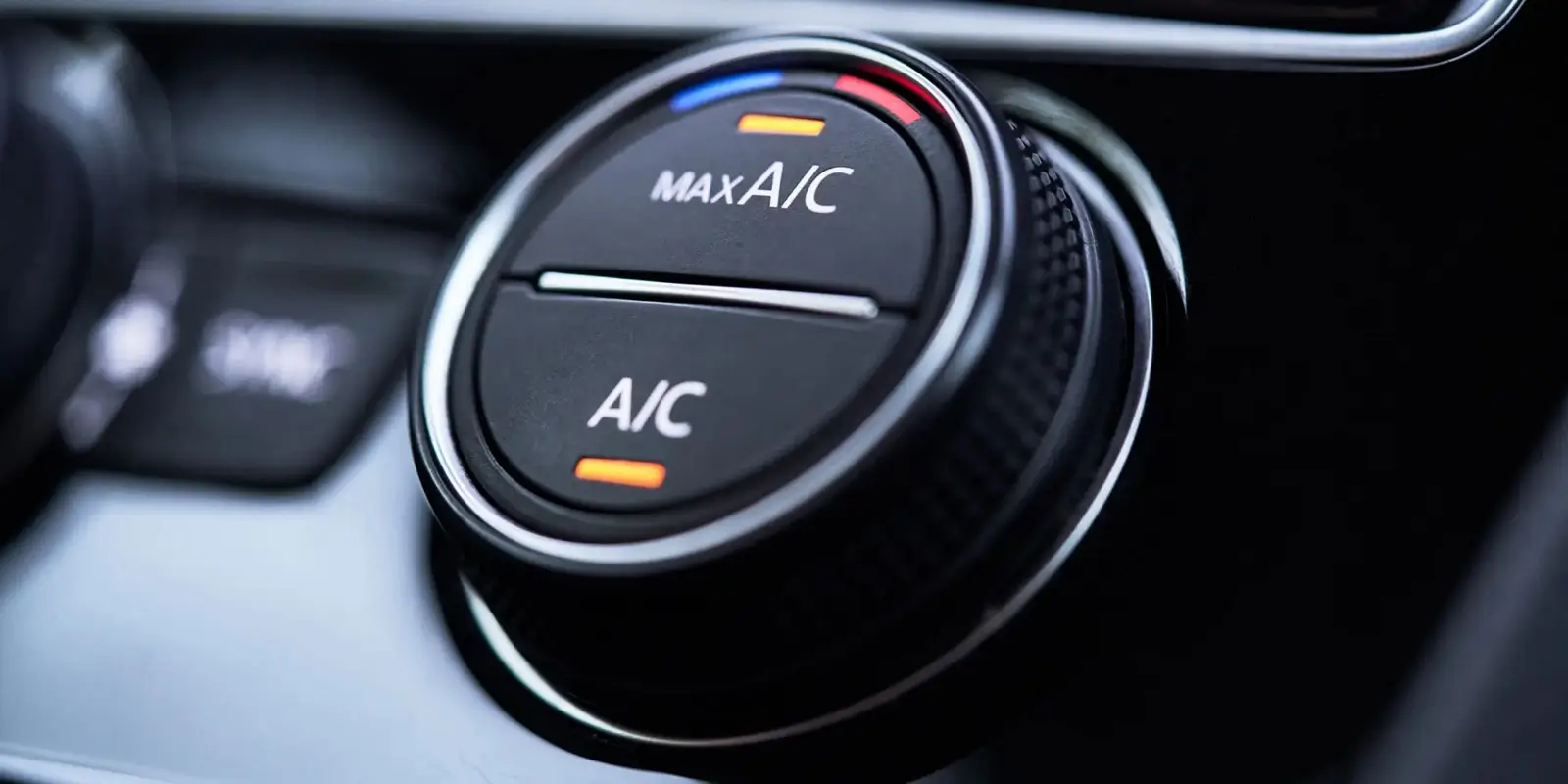
In the world of automotive repair, few scenarios are as concerning as a vehicle overheating, particularly when the air conditioning (AC) system is running. This situation is not just uncomfortable; it can lead to significant engine damage if not addressed promptly. Over the years, I have encountered this issue in various makes and models, and the underlying causes often share commonalities that can be traced back to the vehicle's cooling system, the AC components, or both.
A vehicle's cooling system is designed to regulate engine temperature under normal operating conditions. However, when the AC is engaged, the engine works harder. The compressor, which is essential for cooling the cabin, draws power from the engine, increasing the overall load. This additional strain can reveal weaknesses in the cooling system or even exacerbate existing issues.
One common culprit I have frequently observed is a malfunctioning radiator. The radiator is responsible for dissipating heat from the engine coolant. Over time, it can become clogged with debris or develop leaks. When the AC is on, the engine produces more heat, and if the radiator cannot effectively dissipate this heat, the engine temperature will rise sharply. In some cases, a simple flush can restore function, but in others, replacement may be necessary.
Another frequent issue arises from the cooling fan. The fan is vital for drawing air through the radiator when the vehicle is stationary or moving slowly. If the fan fails to engage when the AC is on, the engine can overheat quickly. A malfunctioning fan relay or a blown fuse can lead to this failure. I have often seen that a quick inspection of the fan operation can reveal whether it is functioning as intended.
Thermostat problems also contribute to overheating when the AC is engaged. The thermostat regulates coolant flow based on engine temperature. If it is stuck closed, the coolant cannot circulate properly, leading to increased engine temperatures. This is particularly evident when the AC is activated, as the engine's heat load increases. In many instances, replacing a faulty thermostat can resolve the overheating issue.
In addition to these components, the condition of the coolant itself cannot be overlooked. Old or contaminated coolant can lose its effectiveness, leading to poor heat transfer. When the AC is running, this can become particularly problematic. I have found that regular maintenance, including coolant changes, is crucial to preventing overheating issues.
Another aspect that is often overlooked is the condition of the AC system itself. A failing compressor or a refrigerant leak can cause the system to work harder than it should, resulting in additional heat generation. This, combined with the already increased load on the engine, can push the temperature into the danger zone. Regular inspections of the AC system can help identify potential problems before they lead to overheating.
It is important to consider the vehicle's overall load when diagnosing overheating issues with the AC on. For instance, towing a trailer or carrying heavy loads can exacerbate the strain on the cooling system, particularly in hot weather. I have seen cases where the combination of high ambient temperatures, a loaded vehicle, and an engaged AC leads to rapid overheating. Understanding the context in which the vehicle operates can be key to diagnosing the problem accurately.
Lastly, the ambient temperature and driving conditions also play a significant role in engine temperature management. Stop-and-go traffic can make overheating more likely, especially in vehicles with weaker cooling systems. During hot summer months, the combination of high external temperatures and AC use can create a perfect storm for overheating.
In my experience, addressing overheating issues when the AC is on requires a thorough examination of multiple systems within the vehicle. Each case can vary, and while some problems may be minor, others can indicate serious underlying issues. When diagnosing this condition, it is crucial to take a holistic view of the vehicle's systems, considering not just the immediate symptoms but also the broader context of the vehicle's operation and maintenance history. Regular checks and preventative maintenance can go a long way in ensuring that both the engine and the AC system function correctly, providing comfort and reliability on the road.