Experiencing an overheating vehicle is a common scenario that many drivers face at some point. This issue can arise due to a variety of mechanical failures or inefficiencies within the engine cooling system. Having spent years diagnosing and repairing overheating problems, I’ve observed several recurring themes that can help clarify why a vehicle might reach critical temperatures. Understanding these nuances can assist both technicians and vehicle owners in pinpointing the root cause of the issue.
One of the first areas to investigate is the cooling system itself. The cooling system is a complex network comprising the radiator, water pump, thermostat, and various hoses. Each component plays a vital role in maintaining optimal engine temperatures. A malfunction in any of these parts can lead to overheating. For instance, a faulty water pump may fail to circulate coolant effectively, leading to localized overheating, especially under load. I’ve seen this happen frequently in older vehicles where the water pump bearings wear out, causing a significant drop in performance.
Radiator Issues
The radiator is often the most visible component when it comes to diagnosing overheating. A clogged radiator can severely restrict coolant flow, preventing the heat exchange necessary to keep the engine temperature in check. Drivers often overlook this component, assuming that a visual inspection is sufficient. However, internal corrosion or debris buildup can create blockages not immediately apparent. In scenarios where a vehicle is frequently driven in dusty or off-road conditions, the accumulation of dirt and debris can exacerbate this problem.
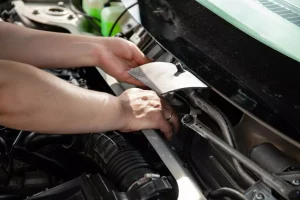
Additionally, the radiator cap, a seemingly minor component, can also contribute to overheating issues. The cap maintains pressure within the cooling system, which raises the boiling point of the coolant. If the cap is faulty or not sealing properly, it can lead to coolant loss and subsequent overheating. I have encountered cases where replacing a simple radiator cap resolved persistent overheating issues.
Thermostat Failures
The thermostat regulates the flow of coolant to the engine based on temperature. A stuck thermostat can prevent coolant from entering the engine, causing it to overheat. This is particularly evident when a vehicle shows symptoms of overheating shortly after starting, as the engine may not be receiving adequate coolant flow until the thermostat opens, which may take longer than normal if it is malfunctioning. In my experience, this issue tends to be more common in vehicles that have not had regular cooling system maintenance.
Coolant Leaks
Coolant leaks can manifest in various forms and often go unnoticed until significant damage occurs. Common leak points include hoses, gasket seals, and the radiator itself. A small, slow leak may not immediately trigger an overheating alarm but can lead to a gradual loss of coolant. Over time, this can result in the engine running hotter than normal, especially under load. I’ve seen many vehicles with minor leaks that, when combined with a lack of regular coolant checks, led to severe overheating issues and costly repairs.
Mechanical Failures and Engine Load
Another aspect to consider is the vehicle’s load and driving conditions. Heavy loads, whether from towing or carrying excessive cargo, can place additional stress on the engine, leading to overheating. This is particularly true in vehicles that are not adequately equipped for the load they are carrying. For example, a half-ton pickup truck towing a heavy trailer may struggle to maintain proper temperatures if the cooling system is not functioning optimally. In such cases, even a well-maintained system can be pushed beyond its limits, leading to overheating.
Moreover, driving habits play a significant role in how the cooling system performs. Prolonged idling or stop-and-go traffic can exacerbate overheating, especially in high temperatures or during peak load conditions. I often advise drivers to be mindful of their driving environment and adjust their expectations accordingly.
Electrical System and Sensors
Modern vehicles rely heavily on electronic sensors to monitor engine temperatures and control the cooling system. A malfunctioning temperature sensor can lead to incorrect readings, causing the vehicle to operate under false pretenses. For instance, if the sensor fails to trigger the cooling fans, the engine may overheat without any warning. In my experience, diagnosing these electrical issues can be tricky, as they often manifest intermittently, making them harder to identify during a routine inspection.
Additionally, any issues with the vehicle’s electrical system, such as a weak battery or faulty wiring, can impact the performance of cooling system components like fans and water pumps. Regular checks of the electrical system can help preemptively address these issues before they lead to overheating.
Conclusion
Overheating is a multifaceted issue that can stem from various sources within a vehicle’s mechanical and electrical systems. By understanding the potential causes and observing how they manifest in real-world environments, vehicle owners and technicians can better diagnose and address overheating problems. Regular maintenance, including checks of the cooling system components, can prevent many of these issues from arising. It is essential to remain vigilant and proactive, as what may seem like an isolated incident can sometimes indicate deeper issues within the vehicle.