In the realm of automotive repair, one of the more prevalent issues encountered is the noticeable decline in engine performance, often manifested as a loss of horsepower and a decrease in fuel efficiency. This problem is not only frustrating for drivers but can also indicate underlying mechanical failures that require attention. Having worked on a variety of vehicles over the years, I’ve seen how these symptoms can arise from several interconnected factors. Understanding these factors helps pinpoint the root causes and can assist in determining the appropriate course of action.
One common culprit in the decline of engine performance is the state of the engine oil. Engine oil serves as the lifeblood of the engine, lubricating moving parts, reducing friction, and dissipating heat. Over time, oil can degrade due to thermal breakdown, contamination, and the accumulation of particulates, leading to increased wear on engine components. If the oil is not changed within recommended intervals, it can become thick and sludgy, inhibiting proper lubrication and ultimately causing the engine to work harder, which can reduce horsepower and fuel efficiency.
Additionally, the oil filter plays a critical role in maintaining oil cleanliness. A clogged or ineffective filter can restrict oil flow, leading to inadequate lubrication and potential engine damage. This situation is often overlooked during routine maintenance, but it can have significant implications on engine performance. Drivers may notice a drop in power when the engine is under load, such as during acceleration or climbing a hill, as the oil fails to provide adequate lubrication.
Air Intake and Fuel Delivery Issues
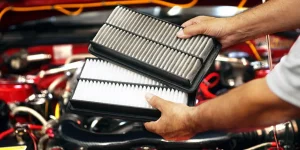
The air intake system is another critical area where performance issues can arise. The engine requires a precise mixture of air and fuel for optimal combustion. If the air filter becomes clogged with dirt and debris, it can restrict airflow, leading to a rich fuel mixture. A rich mixture can cause incomplete combustion, resulting in a loss of power and poor fuel economy. In my experience, many drivers neglect to replace the air filter regularly, which can lead to these performance issues over time.
Moreover, fuel delivery problems can also emerge from issues with the fuel pump, fuel injectors, or fuel lines. A failing fuel pump may not deliver sufficient fuel pressure, which can starve the engine of the necessary fuel for combustion. Symptoms of this may include engine sputtering under load or difficulty starting the vehicle. Clogged fuel injectors can lead to uneven fuel distribution, further exacerbating performance problems. Regular maintenance, including fuel system cleaning, can help mitigate these issues.
Ignition System Components
The ignition system is another essential component that can impact engine performance. Worn spark plugs or ignition coils can lead to misfires, resulting in a loss of power and increased fuel consumption. In vehicles with multi-spark ignition systems, a single faulty coil or plug can affect the entire system’s efficiency. I’ve encountered situations where replacing a set of worn spark plugs not only improved engine performance but also restored fuel economy significantly.
Additionally, the timing of the ignition can greatly influence engine performance. If the timing is off due to a malfunctioning timing belt or chain, the engine may not fire at the optimal moment, leading to decreased power and increased emissions. Regular inspection of the ignition system, particularly in older vehicles, is crucial for maintaining optimal engine performance.
Exhaust System Blockages
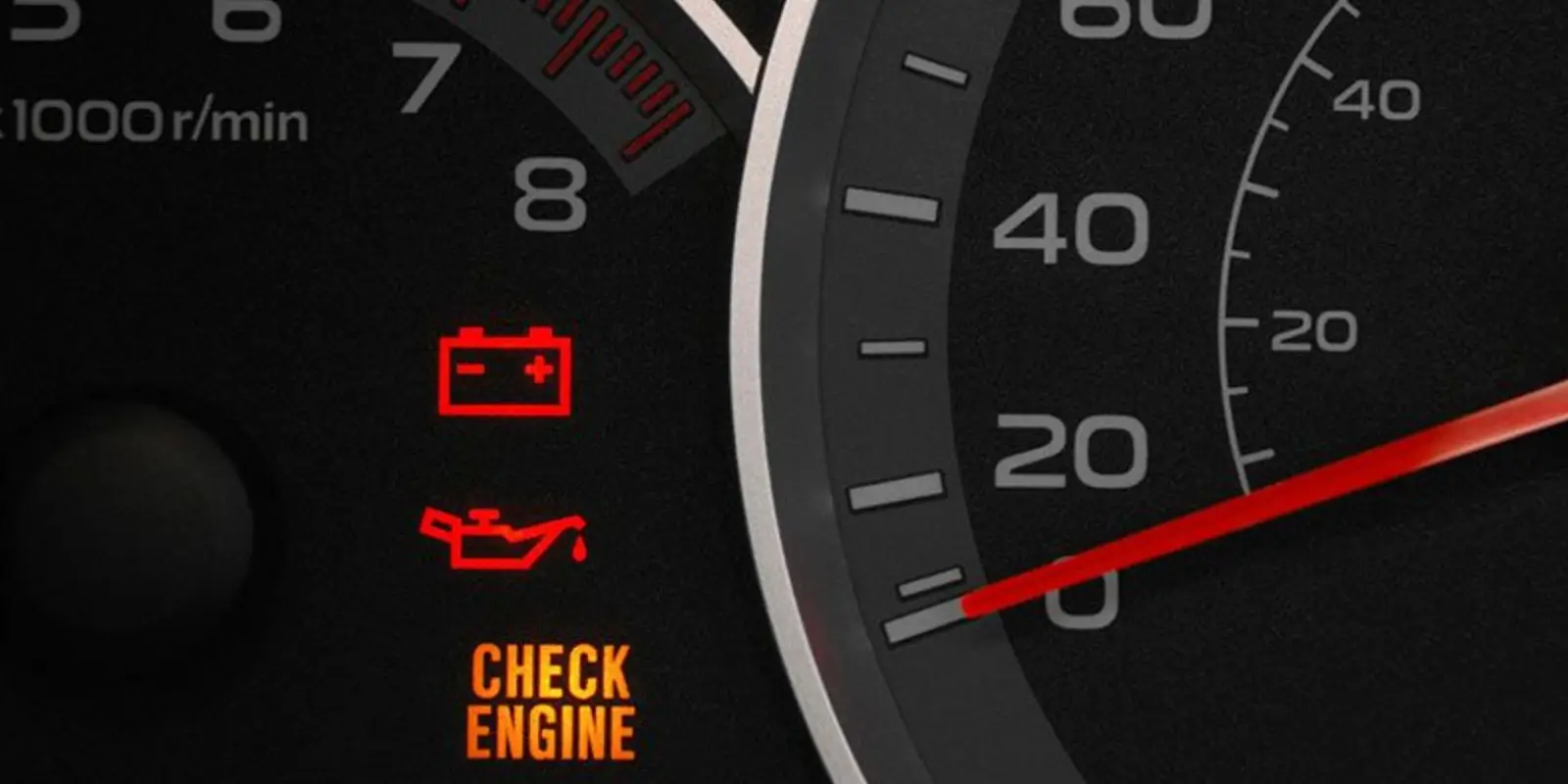
Another area often overlooked is the exhaust system. A blockage or restriction, such as a clogged catalytic converter, can lead to increased back pressure in the engine. This back pressure can reduce engine efficiency, leading to a noticeable drop in horsepower. Symptoms of a clogged catalytic converter can include a strong smell of sulfur, poor acceleration, and an illuminated check engine light. In my experience, diagnosing exhaust system issues often requires a thorough inspection, as the symptoms can mimic other mechanical failures.
Furthermore, leaks in the exhaust system can also lead to performance issues. A leaking exhaust can affect engine back pressure and lead to an overall decrease in efficiency. Drivers may notice a hissing noise or a decrease in engine sound quality, which can be indicative of a leak that needs addressing.
Cooling System Functionality
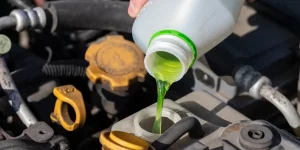
The cooling system is integral in maintaining optimal engine temperatures. Overheating can lead to severe engine damage, resulting in a loss of power and increased fuel consumption. A malfunctioning thermostat, a failing water pump, or a clogged radiator can all contribute to cooling issues. In some cases, a vehicle may run at a higher temperature than normal without showing immediate signs of failure. This can lead to progressive engine wear and reduced efficiency over time.
In my experience, regular checks of the cooling system, including inspecting coolant levels and testing for leaks, can prevent overheating and prolong engine life. It’s important to address any cooling system issues promptly to avoid more significant problems down the line.
Long-Term Wear and Tear
As vehicles age, the cumulative effects of wear and tear can also play a significant role in performance degradation. Components such as piston rings, valve seals, and gaskets can wear out, leading to oil consumption, loss of compression, and overall engine inefficiency. These issues may not be immediately apparent but can manifest as a gradual decline in performance. Drivers may notice a decrease in acceleration or a slight increase in oil consumption over time.
In older vehicles, particularly those with high mileage, it is not uncommon to see issues related to carbon buildup in the combustion chamber. This buildup can lead to pre-ignition, knocking, and reduced efficiency. Regular engine cleanings and the use of fuel additives can help mitigate these effects, but they are often overlooked in routine maintenance schedules.
Furthermore, the transmission can also play a role in perceived engine power loss. A slipping transmission can lead to a feeling of loss of power even if the engine is functioning correctly. It’s essential to ensure that the transmission fluid is at the appropriate level and that the transmission is in good working order to avoid misdiagnosing engine performance issues.
Understanding the interplay of these various systems is crucial for diagnosing performance issues accurately. Each component, from the oil and air filters to the ignition system and exhaust, plays a vital role in the overall efficiency and power output of the engine. Often, what appears as a simple loss of power or fuel economy can be traced back to a combination of factors that require careful evaluation.
In summary, while many drivers may notice a decrease in engine performance, it is essential to approach the issue methodically. Regular maintenance, attention to detail, and a comprehensive understanding of the vehicle’s systems can help identify and rectify problems before they escalate. This proactive approach not only enhances performance but also extends the life of the vehicle, ensuring it operates optimally for years to come.