Cracked radiators are a frequent issue in the automotive world, often surfacing without much warning. I’ve encountered this problem in various makes and models, from older sedans to modern pickup trucks. While the symptoms can vary, the underlying causes often share common threads, influenced by heat, vibration, and the materials used in radiator construction. Understanding these factors can provide insight into not only the immediate effects of a cracked radiator but also the potential for more serious mechanical issues down the line.
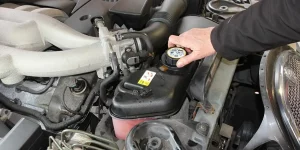
The radiator serves a crucial function in the vehicle’s cooling system. It dissipates heat generated by the engine, ensuring that the operating temperature remains within safe limits. When a radiator cracks, it can lead to coolant leaks, resulting in overheating and other significant problems. In my experience, the first signs of a cracked radiator often manifest as a drop in coolant levels or visible leaks under the vehicle. However, diagnosing the issue can be complicated by various factors, including the vehicle’s age, the quality of the radiator, and the environment in which it operates.
Common Causes of Radiator Cracks
Several factors contribute to the cracking of radiators. One of the most prevalent causes is thermal stress. As the engine heats up, the metal components of the radiator expand. When the engine cools, these components contract. Over time, this cycle of expansion and contraction can create weak points, leading to cracks. This is particularly evident in vehicles that frequently undergo rapid temperature changes, such as those used in stop-and-go traffic or extreme weather conditions.
Another significant factor is corrosion. Radiators are typically made from aluminum or plastic, materials that can corrode over time, especially if the coolant is not regularly changed or if the wrong type of coolant is used. Corrosion can eat away at the radiator’s structure, creating thin spots that are susceptible to cracking under pressure. I’ve seen vehicles with poorly maintained cooling systems develop cracks in as little as a few years due to this issue.
Vibration is also a critical factor. Vehicles experience constant movement and vibrations from the engine and road conditions. Over time, these vibrations can weaken the mounting points of the radiator, leading to misalignment or stress concentrations that result in cracks. This is particularly common in older vehicles where the rubber mounts and supports may have degraded, allowing the radiator to shift and experience undue stress.
Identifying Symptoms of a Cracked Radiator
When a radiator cracks, the symptoms can range from subtle to severe. A common early sign is a decrease in coolant levels, which may not always be accompanied by visible leaks. Sometimes, coolant can evaporate due to high temperatures, making it difficult to spot the issue until it has progressed. Radiators with cracks may also exhibit signs of steam or a sweet smell emanating from the engine bay, indicating coolant is leaking onto hot engine components.
In more advanced cases, the vehicle may begin to overheat, triggering the temperature gauge to rise significantly. This situation can be particularly hazardous, as prolonged overheating can lead to engine damage, including warped cylinder heads or blown gaskets. I have seen instances where a minor leak escalated into a catastrophic failure due to neglecting to address the symptoms early on.
Real-World Observations and Edge Cases
In my years of experience, I have encountered various scenarios where cracked radiators caused unexpected issues. In one case, a commercial truck used for heavy hauling developed a crack after years of service. The driver noticed a coolant leak but dismissed it as a minor issue. Within a week, the truck overheated during a critical delivery, leading to significant downtime and costly repairs. This incident highlighted the importance of monitoring coolant levels and addressing leaks promptly, regardless of their perceived severity.
Another noteworthy observation involves the choice of replacement radiators. Many vehicle owners opt for aftermarket parts to save costs, but the quality can vary significantly. Cheaper radiators may lack the durability of OEM (original equipment manufacturer) parts, leading to premature failure. I have seen several vehicles equipped with low-quality radiators develop cracks within a year of installation, primarily due to subpar materials or inadequate thermal management capabilities.
Long-Term Effects of Ignoring Radiator Issues
Neglecting a cracked radiator can have cascading effects on the vehicle’s overall health. The most immediate concern is engine overheating, which can lead to more extensive damage. Beyond that, a failing radiator can compromise the performance of other cooling system components, such as the water pump and thermostat. I’ve seen situations where a cracked radiator led to the failure of a water pump, requiring a complete cooling system overhaul.
Moreover, the loss of coolant can affect the vehicle’s ability to maintain optimal operating temperatures, leading to decreased fuel efficiency and increased emissions. In the long run, these factors can contribute to a vehicle’s overall decline in performance, making it essential to address radiator issues before they escalate into larger problems.
Preventative Measures and Maintenance
While some factors contributing to radiator cracks are unavoidable, regular maintenance can significantly reduce the likelihood of issues arising. Routine inspections of the cooling system, including checking coolant levels and looking for signs of leaks, can catch problems early. Flushing the cooling system and replacing the coolant at recommended intervals can also help prevent corrosion and buildup that may weaken the radiator over time.
It’s also advisable to monitor the condition of the radiator mounts and supports. Replacing worn or damaged components can help maintain proper alignment and reduce vibration-related stress. For vehicles that are subject to extreme operating conditions, considering an upgrade to a more robust radiator can provide additional peace of mind.
In summary, cracked radiators are a common issue that can lead to significant consequences if not addressed promptly. Understanding the causes, symptoms, and long-term effects of radiator problems can help vehicle owners make informed decisions about maintenance and repairs. The importance of vigilance in monitoring the cooling system cannot be overstated, as early detection often means a simple fix rather than an extensive and costly repair.