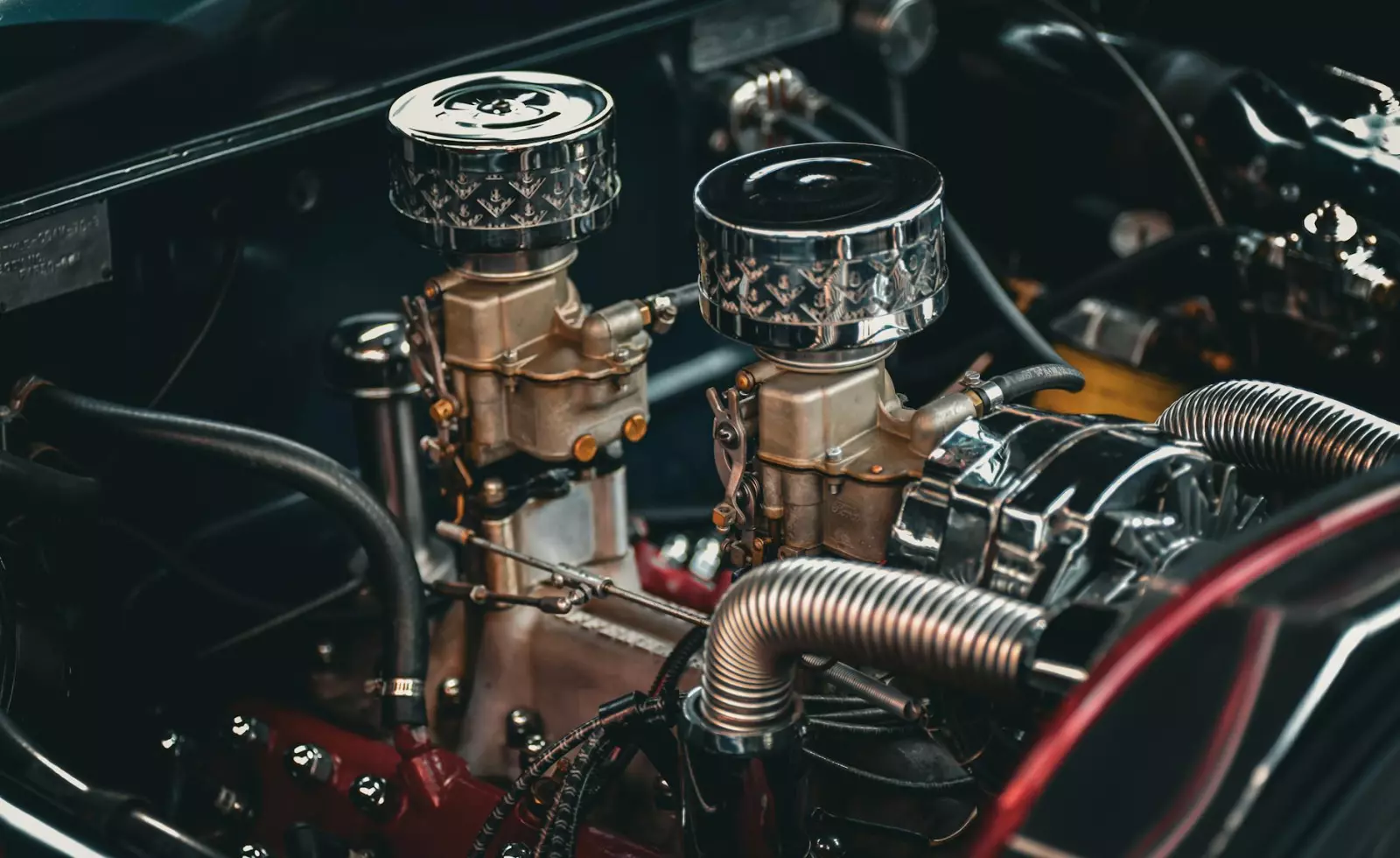
Carburetors have been a staple in automotive engineering for decades, serving as the bridge between fuel and air in an engine's combustion process. Despite the rise of fuel injection systems, carburetors remain prevalent in older vehicles, classic cars, and specific applications like small engines. Over years of hands-on experience, I've encountered a variety of issues that arise with carburetors, particularly in their maintenance and cleaning. Understanding these problems can lead to better performance and longevity in vehicles still relying on this technology.
One of the most common issues with carburetors is the accumulation of debris and varnish from fuel. This is especially true in vehicles that sit idle for extended periods. Fuel can degrade, leading to the formation of deposits that clog jets and passages. A carburetor clogged with varnish may exhibit symptoms such as rough idling, stalling, or difficulty starting. When faced with these symptoms, drivers often overlook the fuel system's condition, focusing instead on spark plugs or ignition timing.
In my experience, the first sign of a carburetor needing attention is often a noticeable change in engine performance. For instance, a vehicle that previously accelerated smoothly may begin to hesitate or sputter under load. This can be particularly pronounced during high-demand situations, such as merging onto highways or climbing steep grades. The engine may also run rich, indicated by black exhaust smoke, or lean, causing backfiring and poor throttle response. These symptoms can lead to a frustrating driving experience and, if left unchecked, may result in more severe engine problems.
When examining a carburetor, it’s essential to consider the various components that can contribute to its performance. The float system, which regulates fuel levels in the bowl, is prone to failure. A stuck float can lead to flooding, while a malfunctioning needle and seat can cause fuel to seep into the engine. Both conditions can significantly affect engine performance. In older vehicles, the materials used in these components may degrade over time, leading to an increased likelihood of failure.
Another aspect to consider is the condition of gaskets and seals. Aging gaskets can harden and crack, leading to vacuum leaks that disrupt the air-fuel mixture. A vacuum leak can lead to erratic idle speeds and poor acceleration. It’s often easy to overlook these issues, as they may not present immediate symptoms. However, the cumulative effect of these small leaks can lead to significant performance degradation over time.
Cleaning the carburetor is a task that can return a vehicle to its former glory. However, it’s essential to approach this process with care. Many cleaning solutions available on the market can effectively dissolve deposits, but they can also damage sensitive components if not used correctly. Real-world experience has taught me that disassembling the carburetor and soaking parts in an appropriate cleaner, followed by thorough rinsing and drying, often yields the best results.
Paying attention to specific areas during cleaning can make a significant difference. For example, the idle circuit is particularly prone to clogging and should be meticulously cleaned. The small passages that make up this system can easily become obstructed, leading to poor idle quality. Using compressed air to blow out these passages can help ensure they are clear, but care must be taken to avoid damaging any components.
Fuel quality also plays a critical role in carburetor health. With the increasing prevalence of ethanol in fuels, issues related to carburetor performance have become more common. Ethanol can draw moisture from the air, leading to corrosion and the formation of sludge within the fuel system. Vehicles that are not regularly driven may suffer the most, as the fuel sits in the system longer, allowing for more significant degradation.
In addition to the cleaning process, it’s prudent to inspect the carburetor for signs of wear or damage. Cracks in the body, damaged throttle plates, or worn bushings can lead to performance issues that cleaning alone won’t address. These components should be evaluated regularly, especially in vehicles that see frequent use in harsh environments or under heavy loads.
A common oversight is neglecting to check the linkage and adjustment mechanisms associated with the carburetor. Proper adjustment of the throttle and choke can have a profound effect on performance. A misadjusted choke can lead to cold start issues, while an improperly set throttle can cause hanging RPMs. In my experience, ensuring that these components are functioning correctly can often resolve performance issues that seem unrelated at first glance.
When reassembling the carburetor after cleaning, it's critical to use new gaskets and seals. Old, worn-out gaskets can lead to leaks and further complications. While it may seem like a minor detail, this step is essential in ensuring a proper seal and optimal performance. Additionally, it’s worth noting that some aftermarket gaskets may not meet OEM specifications, which can lead to further issues down the line.
In terms of performance tuning, many enthusiasts aim to achieve a specific air-fuel ratio for optimal engine performance. Tuning a carburetor can be a delicate balance. Too rich a mixture can lead to fouled spark plugs and increased emissions, while too lean can cause overheating and engine knock. It’s a process that often requires trial and error, and even minor adjustments can yield noticeable changes in vehicle behavior.
Temperature can also affect carburetor performance. In hot weather, fuel can vaporize too quickly, leading to vapor lock, where the fuel turns to vapor before reaching the engine. This condition is more common in older vehicles with mechanical fuel pumps and can cause stalling or difficulty starting. Conversely, in cold weather, carburetors can struggle to deliver the right mixture as fuel becomes denser.
Another factor that often gets overlooked is the impact of altitude on carburetor performance. As elevation increases, the air becomes thinner, which can affect the air-fuel mixture. Vehicles operating in high-altitude conditions may require jet changes or adjustments to achieve optimal performance. This is particularly relevant for vehicles that are regularly driven in varied terrains.
Real-world scenarios frequently reveal the importance of regular maintenance and inspection. Neglecting a carburetor can lead to a cascade of issues throughout the fuel system, impacting overall vehicle reliability. Understanding the symptoms of a malfunctioning carburetor can save time and money in the long run.
In summary, carburetors, while not as prevalent as they once were, continue to play a vital role in many vehicles. Regular cleaning and maintenance can help prevent performance issues and extend the life of these components. It’s essential to approach the care of carburetors with a comprehensive understanding of how they function within the larger context of the vehicle’s fuel system.
The challenges presented by carburetors are often a reflection of the broader dynamics of automotive engineering, where small components can have large implications for performance. Observing these interactions in real-world applications underscores the importance of diligent maintenance and informed troubleshooting.