The role of antifreeze and coolant in automotive systems is critical yet often overlooked until problems arise. Having worked on a variety of passenger cars, pickup trucks, and commercial vehicles over the years, I’ve encountered numerous issues related to these fluids. Understanding the nuances of antifreeze and coolant can help diagnose problems that stem from their use, particularly under the pressures of heat, load, and time.
Antifreeze is not merely a fluid that prevents freezing; it also serves to raise the boiling point of the coolant, ensuring that the engine operates within an optimal temperature range. When I first started in the automotive field, the distinction between antifreeze and coolant wasn’t as pronounced. However, it’s important to note that while antifreeze is a component of coolant, the latter is typically a mixture of antifreeze and water, designed to facilitate effective heat transfer and engine cooling.
One common issue I’ve observed is the degradation of coolant over time. This degradation can be exacerbated by high temperatures, which break down the chemical properties of the antifreeze. As the coolant ages, it loses its ability to prevent corrosion, leading to rust and scale buildup within the cooling system. In many cases, this manifests as a slow loss of efficiency in the radiator or, more critically, as overheating during extended use. This is particularly evident in vehicles that frequently operate in hot climates or under heavy loads.
Signs of Coolant Degradation
Identifying the signs of coolant degradation can often be a straightforward task for those familiar with vehicle maintenance. One of the first indicators is the color change of the coolant. Fresh coolant typically has a vibrant hue – green, orange, or pink, depending on the formulation. As it degrades, the color may darken or become murky, indicating contamination or the presence of rust particles. This is a signal that the cooling system may need attention.
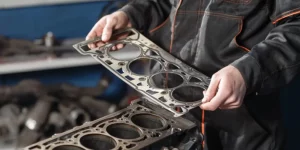
Another symptom is the presence of foam or bubbles within the coolant reservoir. This can suggest that air has entered the system, often due to a leak or a failing head gasket. In some cases, a milky appearance may indicate that oil is mixing with the coolant, a serious condition that can lead to engine failure if not addressed promptly. Over the years, I’ve seen many vehicles suffer from such issues, often due to neglected maintenance schedules.
Temperature Management and Its Effects
The relationship between coolant and temperature management in an engine cannot be overstated. Engines are designed to operate within a specific temperature range, and any deviation from this range can lead to significant issues. For example, if the coolant is ineffective due to degradation, the engine may run hotter than intended. This excessive heat can damage components such as gaskets, hoses, and even the cylinder head. A common point of failure I’ve encountered is the thermostat, which can stick closed if the coolant is not maintained properly, leading to overheating.
Conversely, using the wrong type of coolant can also lead to problems. Many manufacturers specify particular formulations to ensure compatibility with engine materials. For example, using a conventional green coolant in a vehicle designed for a newer organic acid technology (OAT) coolant can lead to chemical reactions that form sludge, obstructing coolant flow and causing overheating. I’ve seen this happen in both older and newer vehicles, often resulting in costly repairs that could have been avoided with proper fluid selection.
Leaks and Their Consequences
Leaks in the cooling system are another common issue that can stem from several factors, including aging hoses, corroded connections, or even faulty water pumps. During my time working on various vehicles, I’ve noticed that the first signs of a leak often appear as small puddles of coolant under the vehicle. This can lead to a gradual loss of coolant, which, if not addressed, can result in a complete failure of the cooling system. In some instances, the coolant may leak into the engine oil, creating a situation that can lead to catastrophic engine failure.
In addition to visual inspections, pressure testing the cooling system can be a useful method for identifying leaks. I’ve found that performing this test can often reveal issues that are not immediately visible, such as small cracks in the radiator or weak spots in the hoses. When pressure is applied, these areas may show signs of coolant escaping, allowing for timely repairs before more significant damage occurs.
Coolant Types and Their Specific Applications
Understanding the various types of antifreeze and coolant can also play a crucial role in maintaining vehicle health. There are generally two major categories: inorganic acid technology (IAT) and organic acid technology (OAT). Each type has specific applications and longevity expectations. For instance, IAT coolants are often used in older vehicles and require more frequent changes, typically every two years or 30,000 miles. In contrast, OAT formulations can last up to five years or 150,000 miles, depending on the manufacturer’s recommendations.
In practice, I’ve seen many owners overlook these specifications, opting for a universal coolant that claims compatibility with all systems. While this may seem convenient, it can lead to unexpected interactions between different coolant types, resulting in system failure. It’s critical to follow the manufacturer’s guidelines to ensure the longevity and efficiency of the cooling system.
Maintenance Practices
Regular maintenance of the cooling system, including routine flushes and refills, is essential for ensuring optimal performance. I’ve found that many vehicle owners tend to neglect this aspect of their vehicle upkeep. The coolant should typically be flushed and replaced every two to five years, depending on the type of coolant used and the vehicle’s operating conditions. Failure to do this can lead to the accumulation of debris and contaminants, which can compromise the entire system.
Another often-overlooked aspect is the condition of the radiator cap. A faulty cap can fail to maintain proper pressure within the cooling system, leading to boiling over and potential engine damage. I’ve seen instances where replacing a simple radiator cap resolved overheating issues that were otherwise misdiagnosed as more severe problems.
In my experience, understanding the intricacies of antifreeze and coolant – right from their role in thermal management to their chemical properties – can significantly impact vehicle reliability. With the right knowledge and maintenance practices, many common issues can be mitigated, ensuring that vehicles perform optimally under the various stresses of daily operation. As always, attention to detail and adherence to manufacturer specifications are paramount in achieving long-term success with any vehicle’s cooling system.