Removing a fuel tank from a vehicle is a task that, while straightforward in theory, can present numerous challenges in practice. Over the years, I have encountered this issue in various vehicles, from passenger cars to commercial trucks, and each instance has reinforced the importance of understanding the nuances involved in this seemingly simple procedure.
One of the first considerations when dealing with fuel tanks is the inherent safety risks. Fuel is highly volatile, and even a small spark can lead to dangerous situations. Ensuring that the vehicle is parked in a well-ventilated area, away from open flames or sources of heat, is critical. Additionally, disconnecting the battery before starting work is a standard precaution, as it minimizes the risk of electrical sparks igniting fuel vapors.
In many cases, the decision to remove a fuel tank stems from issues such as leaks, rust, or the need to replace a failing fuel pump. Each of these problems can manifest differently. For instance, a leaking tank may not always show visible signs, especially if the leak is slow and occurs in a hidden area. A thorough inspection often reveals rust or corrosion that can compromise the tank’s integrity. In older vehicles, especially those exposed to harsh environments, this is a common issue.
Another aspect I have observed is the mounting and securing mechanisms of fuel tanks. These can vary significantly across different makes and models. Some vehicles have tanks that are easily accessible, while others require significant disassembly of surrounding components. For example, in some trucks, the fuel tank is located above the rear axle, necessitating the removal of the bed or even the entire rear assembly for proper access. This adds time and complexity to the job and requires careful planning and execution.
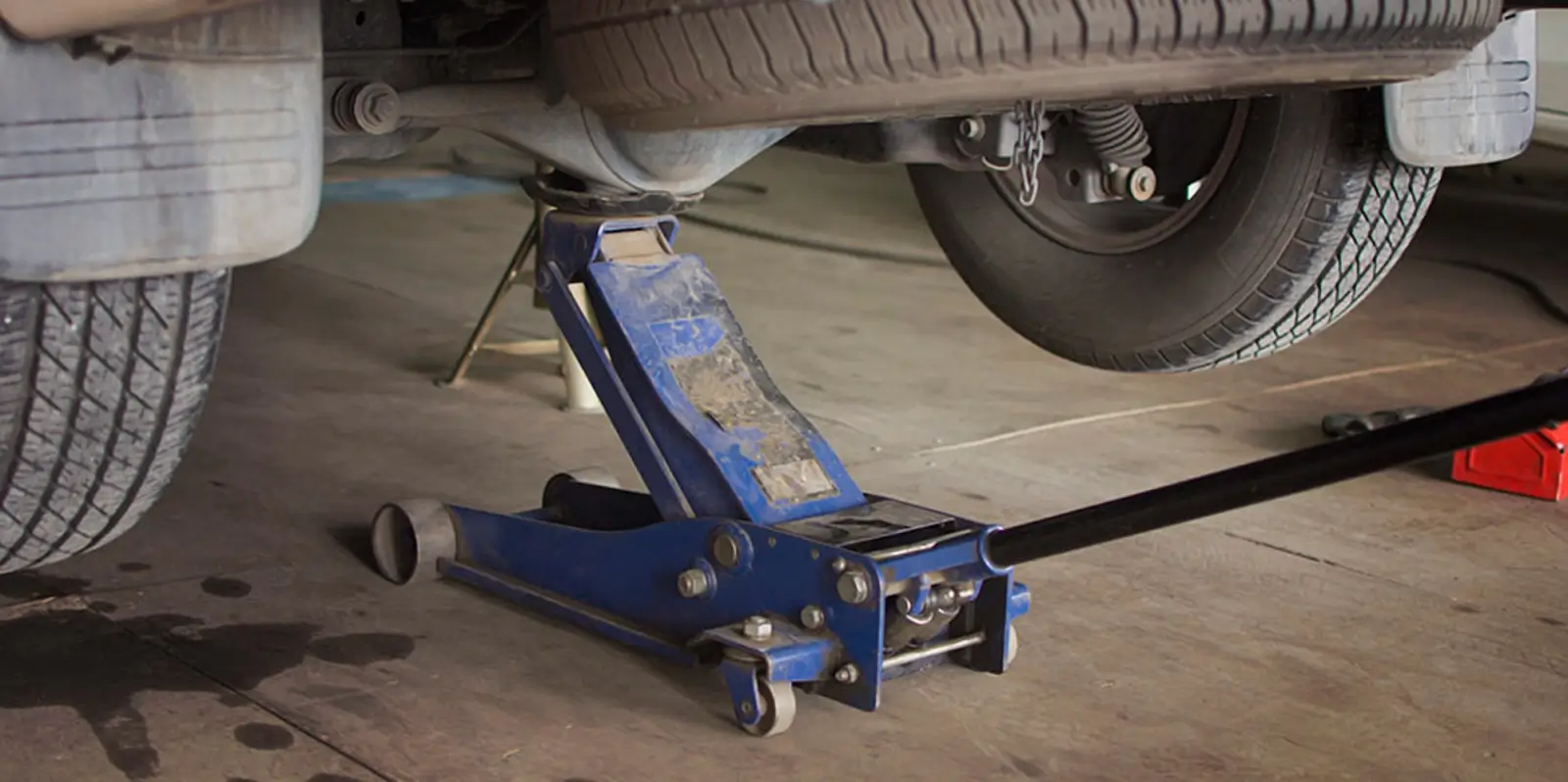
When it comes to the physical removal of the tank, the weight can be surprising. A full tank can weigh hundreds of pounds, which poses not only a challenge in terms of lifting but also increases the risk of injury. I have often found that using a hydraulic jack or a dedicated tank cradle can make the process safer and more manageable. However, it’s essential to ensure that these tools are rated for the weight being handled and that they are used correctly to avoid accidents.
In some cases, the fuel lines and electrical connections can become corroded or stuck, complicating the disconnection process. It is not uncommon to encounter a situation where a fuel line breaks during removal. This can lead to additional repairs and delays. In these instances, having a set of replacement lines on hand can save time.
Another factor that often goes overlooked is the condition of the fuel pump and sender unit. These components are typically located inside the tank and can be difficult to access without removal. If you are replacing the tank due to fuel delivery issues, it is prudent to replace these components simultaneously. This approach not only saves time but also prevents the need to revisit the tank in the future for what could be a related issue.
Once the tank is removed, the inspection process should not be rushed. I have seen cases where technicians fail to thoroughly clean the area around the fuel tank, leading to debris entering the fuel system during reinstallation. This can result in clogged fuel filters or even damage to the fuel injectors, which can be costly and time-consuming to remedy later.
Additionally, the installation of the new or refurbished tank requires attention to detail. Proper alignment of the mounting brackets is crucial to ensure that the tank is secured correctly. Misalignment can lead to undue stress on fuel lines or electrical connections, which may not show immediate symptoms but can lead to failures down the line.
In the realm of commercial vehicles, fuel tank removal can become even more complex. These vehicles often have larger tanks and more intricate fuel systems designed for higher performance and capacity. The added weight and size mean that extra caution is required during handling. Moreover, the potential for contamination from diesel or other fuels complicates the removal process, as the environmental regulations surrounding disposal are stricter.
Environmental considerations are also paramount. Fuel spills can have significant repercussions, not only for the vehicle but also for the surrounding area. Utilizing absorbent materials and having proper containment measures in place is essential. In some jurisdictions, failure to manage spills properly can lead to fines or legal repercussions.
Finally, the reinstallation of the fuel tank is often as critical as its removal. Ensuring that all connections are secure, that the tank is properly vented, and that there are no leaks is essential for safe operation. Testing the system after reinstallation is a step that should never be overlooked. Running the vehicle and checking for leaks or irregularities can save significant time and resources in the long run.
Fuel tank removal should be approached with a thorough understanding of the complexities involved. From safety precautions to the nuances of different vehicle designs, each step in the process can present unique challenges. Over the years, I have learned that careful planning, attention to detail, and respect for the potential hazards involved are key to successfully navigating this task. Each vehicle presents its own set of challenges, but with experience, these challenges become manageable and can lead to effective and safe repairs.