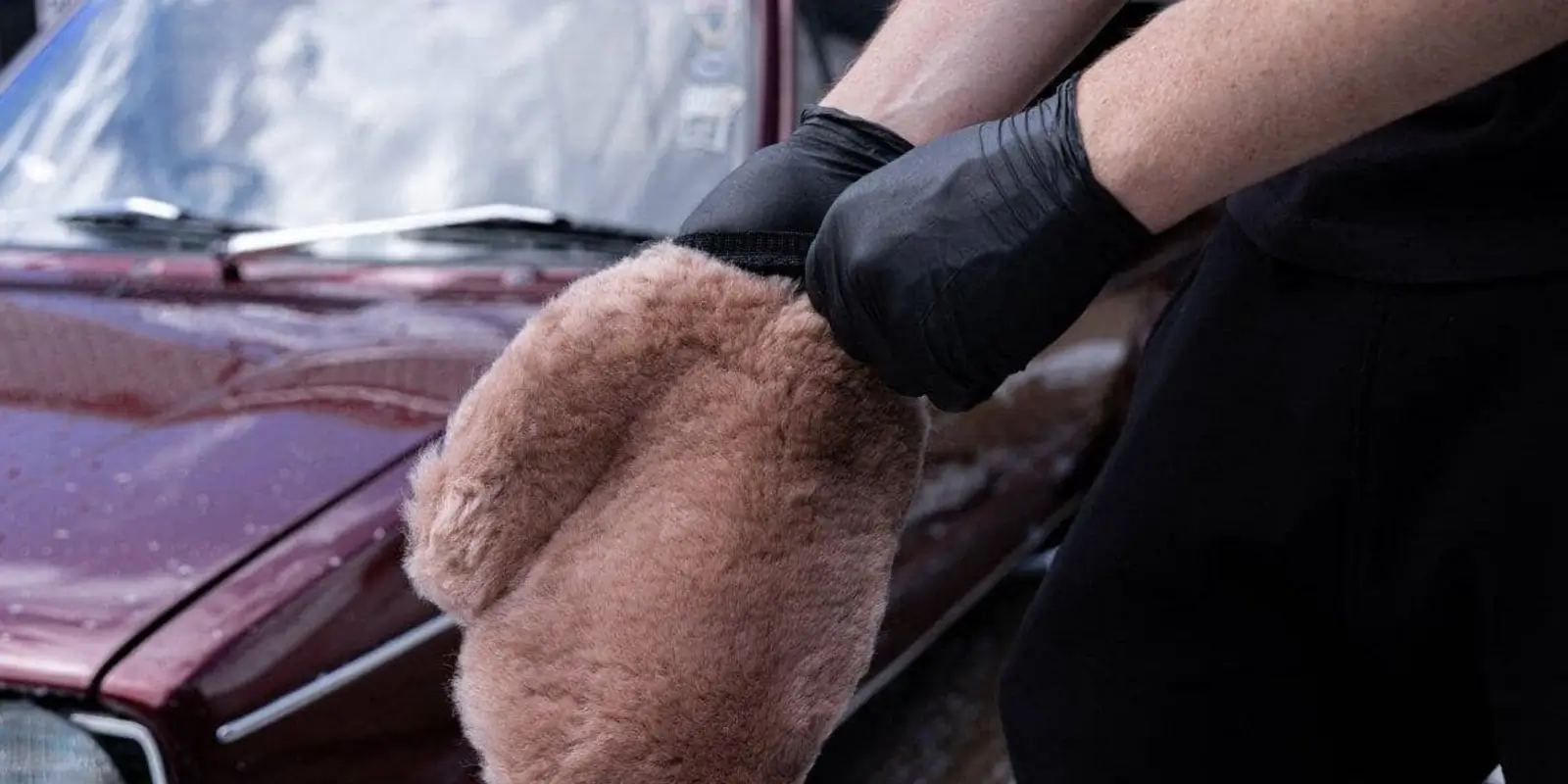
Car wash mitts are a common tool in the realm of vehicle maintenance, yet their role often goes underappreciated. In my years of working with various automotive surfaces, I’ve encountered both the benefits and drawbacks of these seemingly simple accessories. While they can enhance the washing experience, their improper use or selection can lead to unintended consequences.
One notable aspect of car wash mitts is the material from which they are made. Microfiber mitts have gained popularity for their softness and ability to trap dirt without scratching. However, I’ve seen many instances where these mitts are used without proper care. Over time, dirt and grime can become embedded in the fibers, turning a gentle cleaning tool into a potential source of scratches. This is particularly evident on vehicles with softer paint finishes, where the accumulation of particles can mar the surface.
Material Matters
Different materials serve different purposes. Wool mitts, for example, are highly absorbent and can hold a significant amount of water, making them effective for rinsing. Yet, they can also shed fibers if not maintained properly. I’ve noticed that older wool mitts tend to lose their integrity, leading to lint being left behind on surfaces. This can be especially frustrating when detailing a vehicle, as the last thing you want is to introduce more debris to freshly cleaned areas.
Another concern is the design of the mitt itself. Some mitts have a cuff that is too loose, allowing dirt to enter and mix with the washing solution. This can create a situation where the mitt is no longer effective, as it distributes contaminants rather than removing them. I’ve seen this most frequently with mitts that are marketed as “one-size-fits-all.” A snug fit is essential to ensure that dirt stays out and the washing process remains effective.
Environmental Considerations
Environmental conditions can also play a significant role in the performance of car wash mitts. For example, washing a vehicle in direct sunlight can lead to quicker drying times, which may cause soap to dry on the mitt itself. When this occurs, the mitt can become abrasive, leading to a higher likelihood of scratching the paint. I’ve often advised against washing vehicles in peak sunlight hours, as it can compromise the effectiveness of both the soap and the mitt.
Temperature variations can also impact the longevity of car wash mitts. Extreme heat can degrade synthetic materials, leading to brittleness and reduced performance. In colder conditions, mitts may stiffen, making them less flexible and effective at conforming to the vehicle’s contours. The best practice is to store them in moderate conditions, away from direct heat sources or extreme cold.
Practical Observations
In practical terms, I’ve found that regular inspection and maintenance of car wash mitts can extend their life significantly. Rinsing them thoroughly after each use and allowing them to dry properly can prevent the buildup of contaminants and extend their usability. However, it’s wise to replace them periodically, especially if they begin to show signs of wear or damage.
Ultimately, while car wash mitts are a valuable asset in vehicle care, their effectiveness hinges on mindful use and maintenance. The right choice in materials, combined with proper handling, can make a noticeable difference in the quality of a wash. Knowing when a mitt has reached the end of its effective life is equally important to avoid inadvertently causing more harm than good during the washing process.