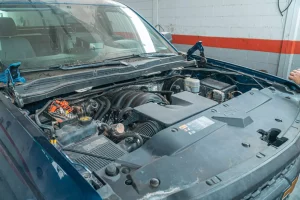
Car vacuums often serve as an overlooked yet essential tool in maintaining the cleanliness and functionality of vehicles. In my years of experience, I have encountered a range of issues with these devices, particularly when they are subjected to the demanding conditions found in automotive environments. The challenges that arise can be subtle but often have significant implications for vehicle upkeep.
One of the most common problems I have observed is related to the vacuum’s power source. Many car vacuums are designed to operate off the vehicle’s electrical system, typically through the 12V outlet. Over time, the connections can become corroded or loose, especially in vehicles that experience high humidity or temperature fluctuations. This can lead to intermittent power loss, which is frustrating during use. In some cases, users may mistakenly believe the vacuum is broken when, in fact, it is merely a poor connection.
Another frequent issue involves the vacuum’s filtration system. The filters are often overlooked, yet they play a crucial role in maintaining suction power. When filters become clogged with dirt and debris, the vacuum struggles to perform effectively. This can happen quickly in environments where fine particles, such as sand or dust, are prevalent. In my experience, regular maintenance of the filters can significantly extend the life of the vacuum and improve its performance. However, it is not uncommon for users to neglect this aspect until they notice a marked decline in suction.
Wear and Tear from Usage
The physical wear and tear on car vacuums can also lead to performance issues. The flexible hoses and attachments are particularly susceptible to damage. I have seen hoses that become brittle and crack due to prolonged exposure to heat, especially in vehicles parked in direct sunlight for extended periods. This can result in loss of suction and even introduce leaks that can make the vacuum less effective. Furthermore, the attachments themselves can get lost or damaged, limiting the vacuum’s versatility.
Operating at high speeds can also exacerbate certain issues. For instance, if the vacuum is used while the vehicle is in motion, vibrations can lead to disconnections or malfunctions in the power supply. This is particularly true for lower-quality models that may not be built to withstand the rigors of automotive use. While some vacuums are marketed as portable and heavy-duty, the reality often differs when they encounter the reality of automotive conditions.
Noise and Performance Indicators
Noise can be another indicator of an underlying issue. A vacuum that suddenly becomes louder may be signaling a blockage or a failing motor. In my experience, this can sometimes be a harmless symptom, such as a simple clog that can be cleared. However, it can also indicate a more serious problem, like motor wear, which could lead to complete failure if not addressed. Understanding these noises can save time and prevent further damage.
In the realm of automotive care, car vacuums are vital yet often underestimated. The issues I have encountered serve as a reminder of the importance of regular maintenance and awareness of the conditions under which these tools operate. Whether it’s ensuring secure electrical connections or keeping filters clean, attention to detail can make a significant difference in the longevity and effectiveness of car vacuums. In a world where vehicle cleanliness matters, these small considerations can lead to better performance and a more pleasant driving experience.