In the realm of automotive storage solutions, trunk organizers often surface as a convenient remedy for clutter. They promise to keep items secure and accessible, a necessity for many drivers who use their vehicles for errands or transport. However, as with many aftermarket accessories, their real-world performance can vary significantly based on the conditions under which they operate.
From personal experience, I have observed that trunk organizers come in various forms, with some designed for basic storage and others engineered to withstand heavier loads. The simpler fabric models often struggle with durability, especially when exposed to the heat generated in a trunk during warm weather. Over time, the seams can fray, and the material may lose its shape, leading to items spilling out or becoming disorganized again. In contrast, more robust plastic or molded organizers tend to hold up better but can shift around if not properly secured.
One common oversight with trunk organizers is their placement. When not secured, they can slide during sharp turns or sudden stops, creating a potential hazard. I’ve seen this lead to damaged items or, worse, interference with the vehicle’s operation if the organizer shifts into the path of the spare tire or tools. This risk is often overlooked by users who assume that a simple organizer will remain stationary without any additional support.
Material Selection and Its Consequences
The choice of materials in trunk organizers plays a crucial role in their longevity and effectiveness. For instance, organizers made from cheaper materials may not only degrade quickly but can also emit odors when exposed to heat. This is particularly noticeable in vehicles where the trunk is not well-ventilated. On the other hand, higher-quality organizers that utilize durable, non-porous materials tend to resist odors and are easier to clean, making them more practical for regular use.
Load Considerations
Another aspect often overlooked is the weight of items stored within the organizer. While many designs claim to support heavy loads, I’ve seen instances where exceeding the recommended weight leads to structural failure. This is particularly true for fabric organizers, which may sag under the weight of sports equipment or tools. When this happens, the organizer can become less functional, making it difficult to retrieve items without a struggle.
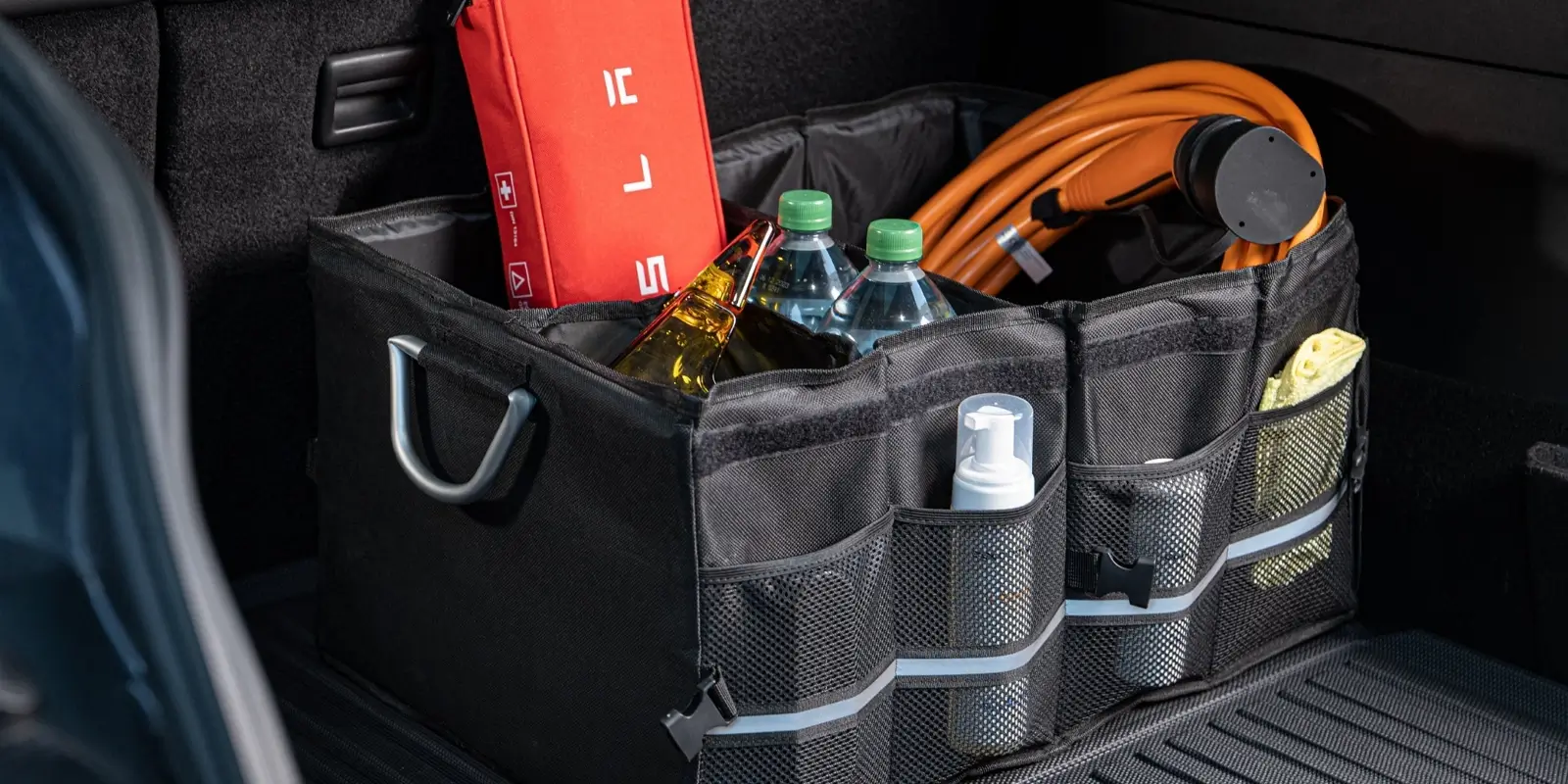
In terms of functionality, some organizers come with compartments designed for specific items, such as emergency kits or cleaning supplies. While this can be beneficial for maintaining order, it can also lead to inefficiencies if the compartments are not appropriately sized for the intended use. For example, a compartment meant for a first aid kit may be too small to hold essential items, forcing users to cram them in or leave them behind.
Ultimately, while trunk organizers can offer a semblance of order, their effectiveness often hinges on understanding the limitations of both the product and the vehicle itself. Regular checks for wear and tear, as well as ensuring that the organizer is suited to the specific needs of the vehicle and its load, can make a significant difference. In my experience, taking these factors into account can lead to a more functional and safer trunk space.