Car seat safety is often a focal point for discussions surrounding child transportation in vehicles. Over the years, I’ve encountered various scenarios that highlight both the importance and the complexities of ensuring that car seats are properly installed and maintained. It’s a subject that combines engineering, real-world conditions, and human behavior, leading to a range of observations that merit attention.
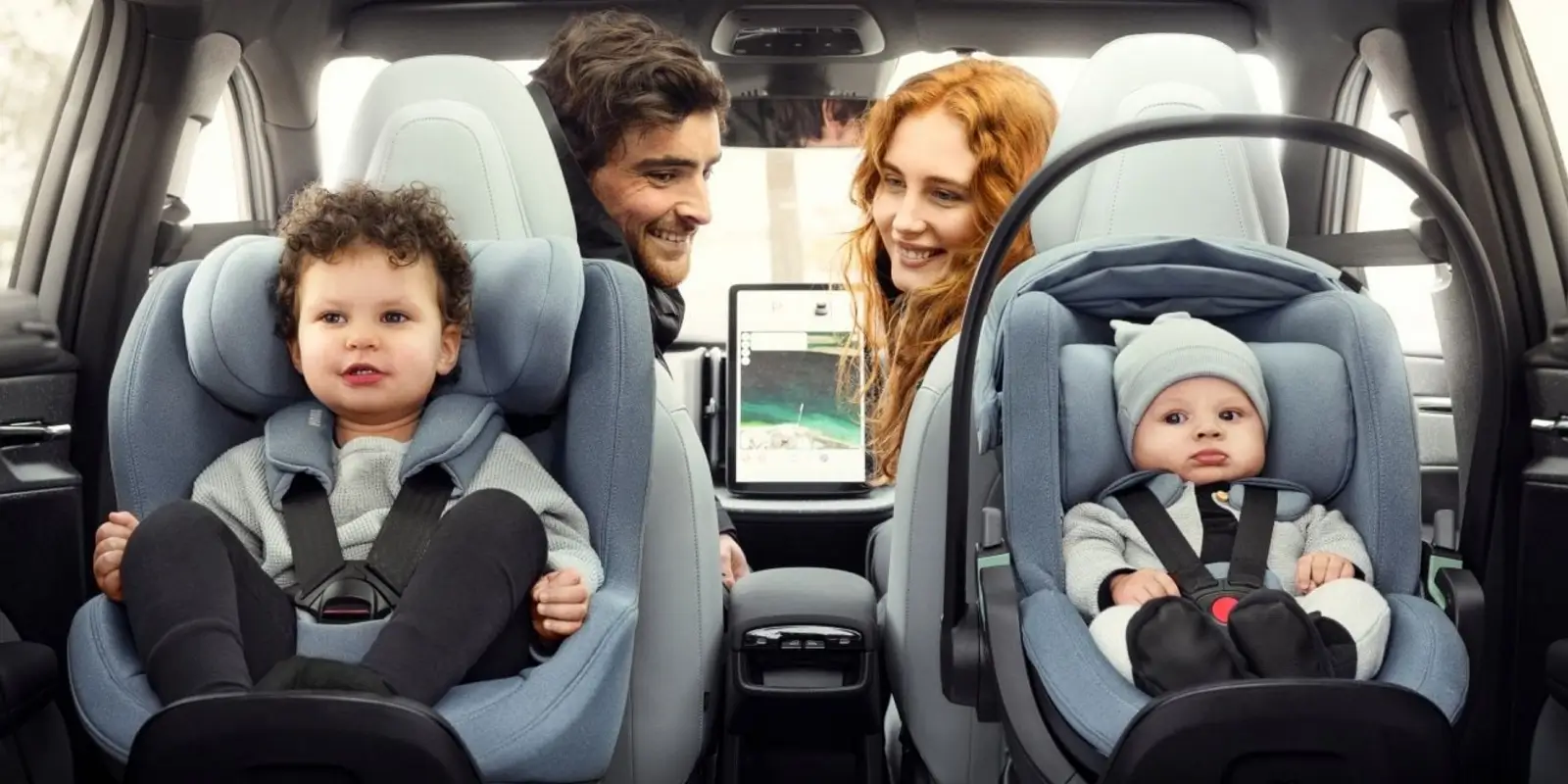
One common issue is the installation of car seats. Many parents and caregivers may believe they have secured a car seat correctly, yet upon inspection, it becomes clear that a proper fit is lacking. This can occur due to a misunderstanding of the seat’s features or the vehicle’s seat configuration. For instance, the angle of the back seat can affect how well a seat base grips, especially in vehicles with a pronounced slope. In my experience, this is often exacerbated in SUVs or vans where the seat design varies significantly from standard passenger cars.
Material and Wear Factors
Over time, the materials used in car seats can degrade. Exposure to heat and sunlight can cause plastics to become brittle. I’ve seen instances where the base of a car seat, after years of use, has cracks that compromise its structural integrity. This is particularly relevant in warmer climates where vehicles can reach extreme temperatures, even when parked. Regular inspections can help identify these issues, yet many users overlook them until a critical failure occurs.
Strap and Harness Mechanics
Another aspect that often goes unnoticed is the condition of the harness system. Straps can fray or lose elasticity over time, especially if they are frequently adjusted or improperly stored. I’ve found that some caregivers tend to leave the straps loose, believing that it will be more comfortable for the child. However, this can lead to a dangerous situation in the event of an accident. It’s crucial to ensure that the harness fits snugly against the child’s body, which can be a significant adjustment for those unfamiliar with proper usage.
In commercial vehicles, such as delivery vans, the dynamics shift slightly. The weight of the cargo can affect how a vehicle handles, and this can impact the effectiveness of car seats when they are installed in the back. I’ve noted that in vehicles where cargo is loaded unevenly, the risk of a sudden stop or sharp turn can compromise the safety of passengers, particularly if the car seat is not properly secured. The relationship between vehicle load and passenger safety is often overlooked but is critical in ensuring overall safety.
Human Factors and Behavior
Human behavior plays a significant role in car seat safety. In my observations, many individuals are simply unaware of the latest regulations or advancements in car seat technology. The introduction of new safety standards can sometimes leave older models inadequately equipped. This disconnect can lead to the continued use of outdated systems that do not provide adequate protection. Additionally, the convenience factor often drives decisions; parents may opt for ease of use over stringent adherence to safety guidelines.
In summary, car seat safety is a multifaceted issue that requires regular attention and understanding of both the mechanical aspects and the human behaviors that influence them. It is essential to remain vigilant about the condition of car seats and the proper installation methods to ensure the highest level of safety for all passengers, especially the youngest ones.