Scratches on vehicle surfaces are a common issue, often arising from everyday encounters with shopping carts, branches, or even careless handling during maintenance. Over the years, I’ve observed various methods and products aimed at addressing these cosmetic blemishes, particularly car scratch removers. While some products claim to erase these marks entirely, the reality is often more nuanced.
In my experience, the effectiveness of a scratch remover largely depends on the type and depth of the scratch. Light surface scratches that do not penetrate the clear coat can often be improved with a polishing compound. These products tend to contain micro-abrasives that can gently buff out imperfections. However, deeper scratches that reach the base coat or primer require a more involved approach, sometimes necessitating touch-up paint or professional refinishing.
Surface Preparation Matters
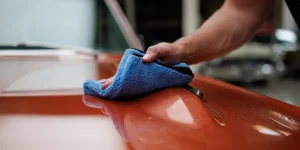
One aspect that is frequently overlooked is surface preparation. Before applying any scratch remover, it’s crucial to clean the area thoroughly. Dirt or grime can complicate the process, leading to inadequate results. I’ve seen instances where a quick wipe down with a microfiber cloth made a significant difference in the final outcome. Additionally, the temperature and humidity of the environment can affect how the product adheres and performs. Products applied in cooler, damp conditions may not spread evenly or bond effectively.
Another observation is the importance of patience. Many users apply the product and expect immediate results, but often a gentle, repeated application is necessary. Rushing through the process can lead to uneven surfaces or, worse, further damage. In my experience, the best results come from a slow and steady approach, allowing the abrasives to work their magic without causing additional scratches.
Limitations of Scratch Removers
Despite their convenience, scratch removers have limitations. They are not miracle solutions. When a scratch is too deep, these products can only mask the issue temporarily. I’ve encountered scenarios where a vehicle owner used a scratch remover on a significant scratch, only to find that while the surface looked better, the underlying damage remained visible under certain lighting conditions. In such cases, a more permanent fix is warranted.
Furthermore, there’s the potential for overuse of abrasive products. Not every scratch can or should be polished out. Repeatedly using aggressive compounds can lead to a dull finish or, in some cases, damage the clear coat. I’ve advised clients to be cautious about their approach, particularly with older vehicles where the paint may be more fragile.
In conclusion, while car scratch removers can be effective for minor blemishes, their limitations should be understood. A thorough assessment of the scratch type, coupled with proper application techniques, can yield better results. It’s also wise to recognize when a professional touch is needed, especially for deeper scratches that may compromise the vehicle’s integrity. The balance between DIY fixes and professional care is crucial in maintaining the vehicle’s appearance over time.